
Last updated November 25, 2026
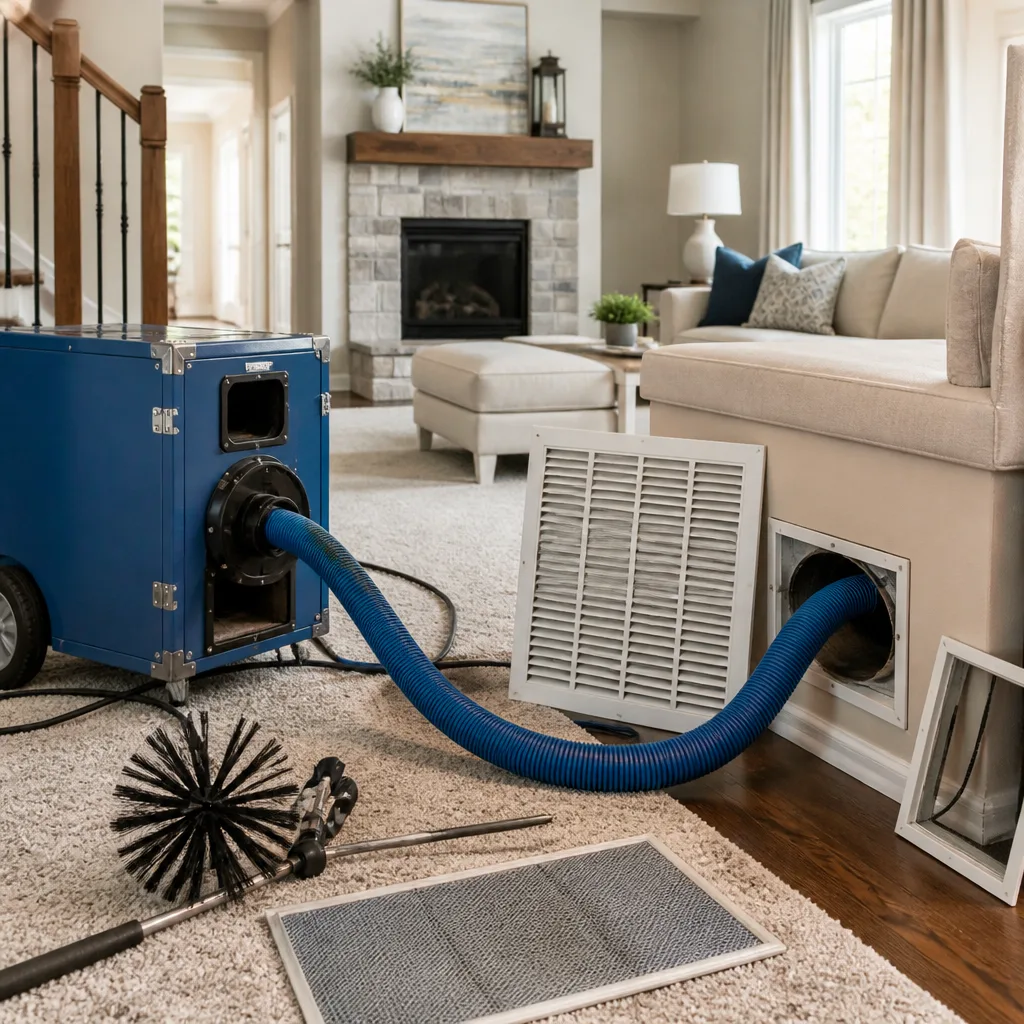 Whole-home duct cleaning
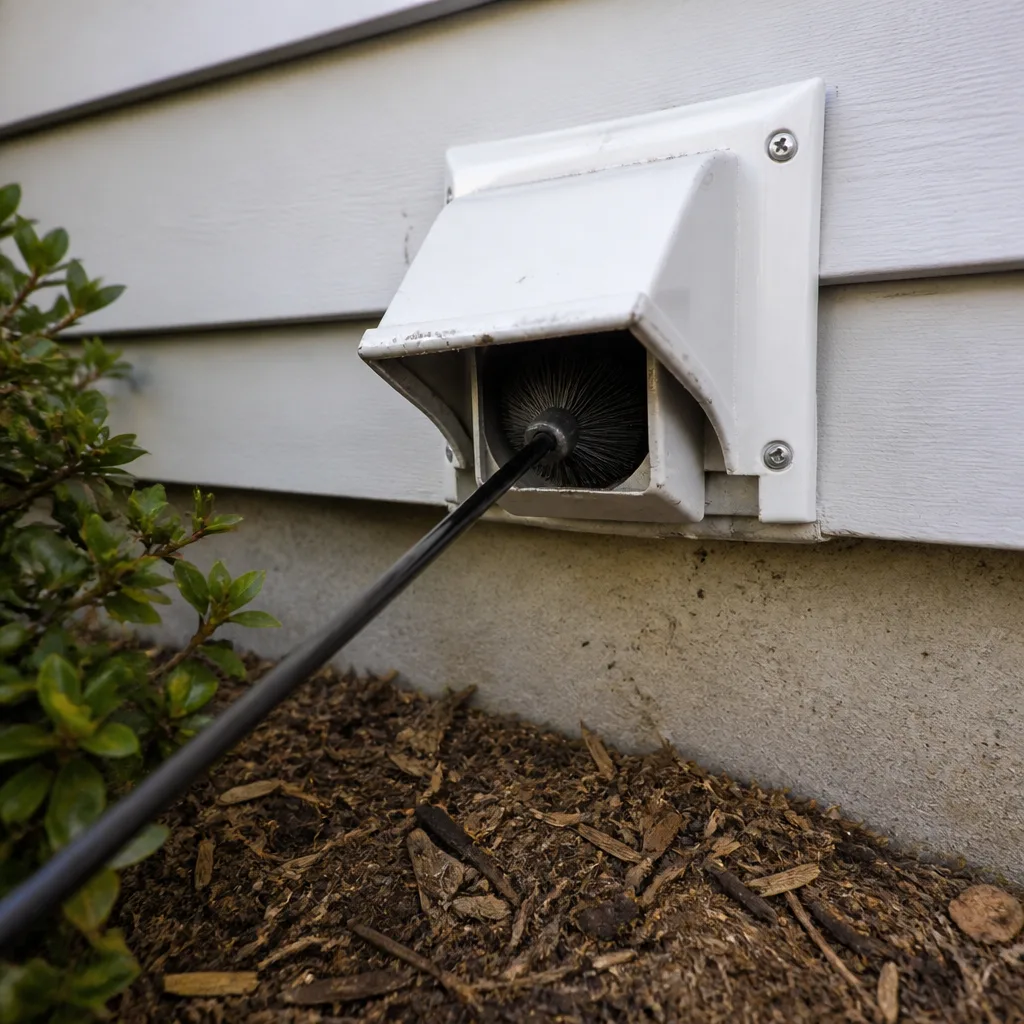 Dryer vent cleaning
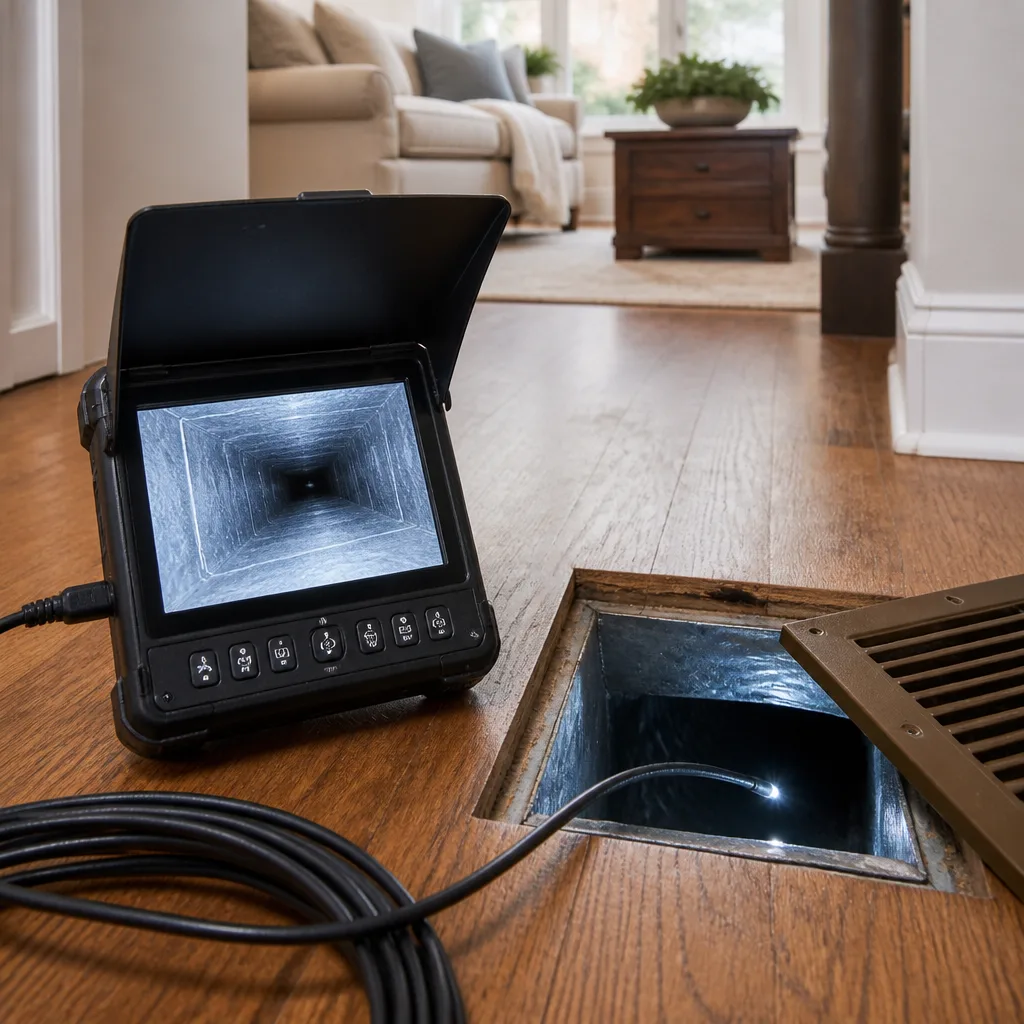 Camera inspection
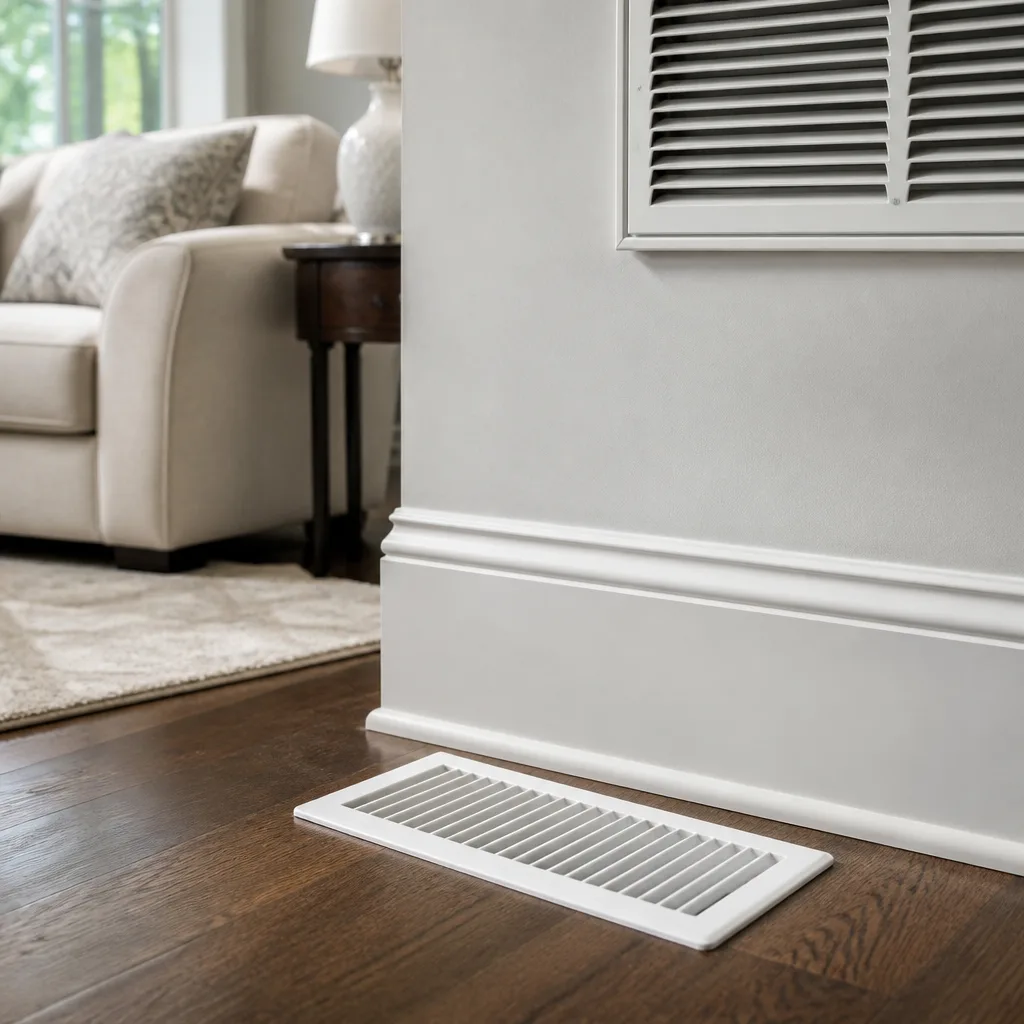 Sanitizing & deodorizing
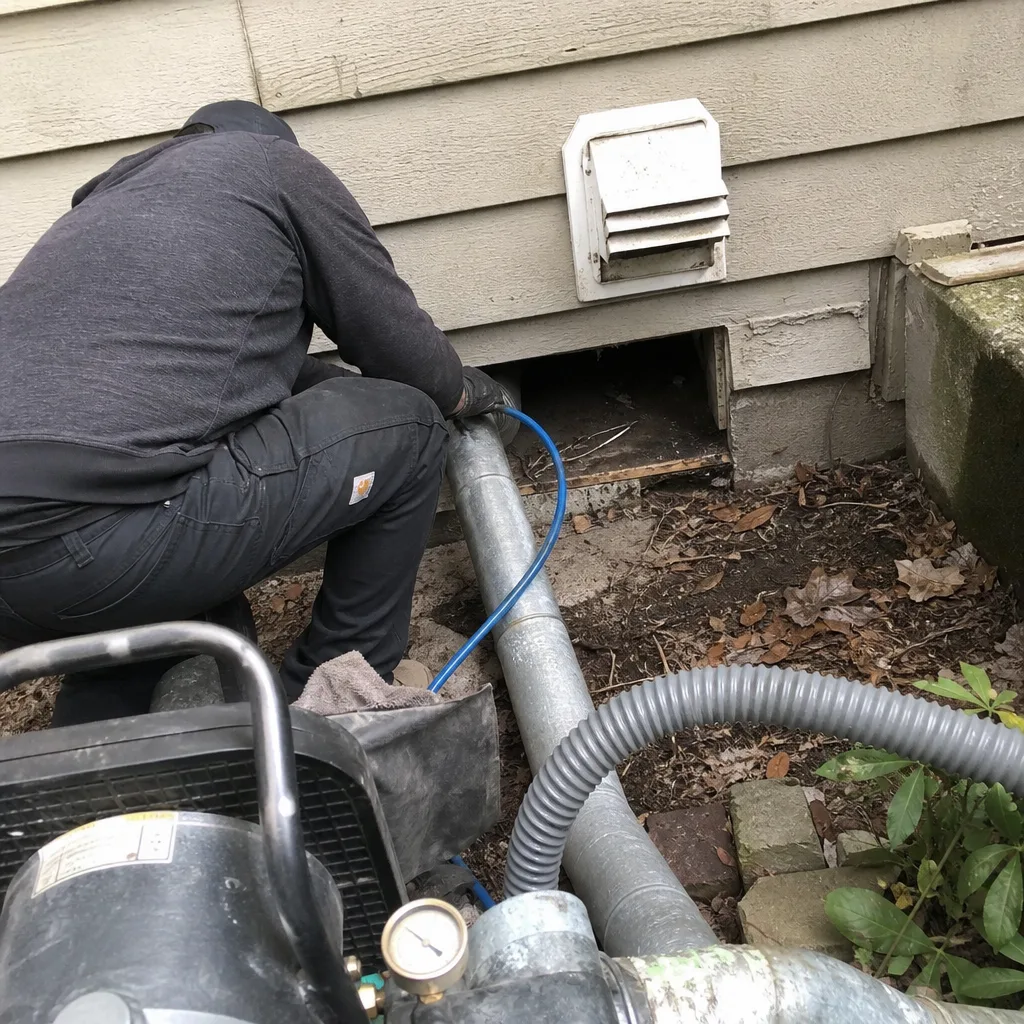
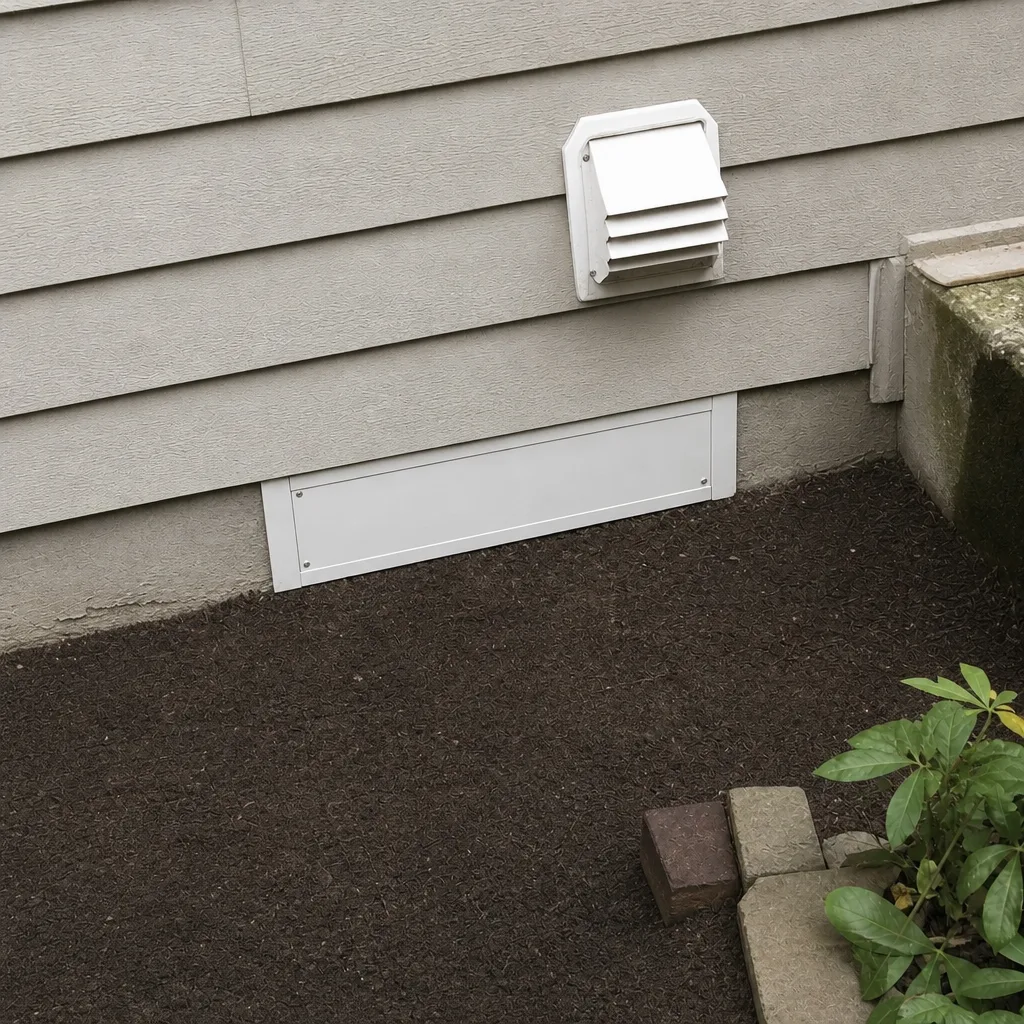
Whole-system duct and dryer vent check with before-and-after photos - you see exactly what came out of your vents
That "$99 whole-house special" is a bait ad - the real number appears once they are in your hallway, or the "clean" is a shop-vac at the register. We photograph the inside of your ducts before and after instead.
Air Duct Cleaning Warning Signs: A Federal Way Homeowner’s Reference Guide
A metallic smell drifting from your registers on the first cold night of fall is not a dust problem. It’s combustion residue, and it points to the heat exchanger, not the ducts. That single distinction changes who you call and how fast you call them. Most warning-sign checklists lump every odor into “musty” and every stain into “dirty,” which is why so many Federal Way homeowners describe a serious problem as a minor annoyance when they pick up the phone. This guide maps the specific things you can see, smell, hear, and feel to what’s actually happening inside the air pathway, so you can describe it accurately before anyone walks through the door.
Quick Answer
The main air duct cleaning warning signs in a Federal Way home are visible staining or dust trails around registers, a musty or biological odor that returns after cleaning, uneven airflow between rooms, a metallic or burning smell during heating cycles, sudden allergy flare-ups tied to HVAC runtime, and visible debris near return vents. Each sign points to a different root cause, so matching the symptom to the right one matters more than having a vague sense that “the ducts are dirty.”
Styles & brands we work with
- Whole-home duct cleaning
- Dryer vent cleaning
- Camera inspection
- Sanitizing & deodorizing
Table of Contents
- Visual Warning Signs by Location
- The Odor Differentiation Guide
- Airflow Symptoms and What They Mean Mechanically
- Health Symptom Patterns That Correlate with Contamination
- How to Document What You’re Seeing
- Warning Signs of Leaky Ducts, Not Dirty Ducts
- When the Problem Is the HVAC, Not the Ducts
- Federal Way Climate and Seasonal Patterns
Visual Warning Signs by Location
Where a stain appears tells you almost as much as what it looks like. Dust on the face of a register is normal and gets wiped away. What matters is what’s happening behind and around the grille, because that’s where the air pathway is actually telling you something. In Federal Way homes, the damp stretch from October through April makes biological growth on cooler surfaces more common than the dry heat that drives buildup in inland climates.
Here’s how to read the patterns:
- Streaking or dark trails radiating from the edges of a register: This is bypass contamination. Air is escaping around a poorly sealed boot or register collar instead of through the duct, pulling insulation and wall-cavity dust into the airstream. It points to a sealing problem, not a cleaning problem alone.
- Even, greyish film across the register face and the wall below it: Surface dust settling from normal airflow. Worth cleaning, but rarely an emergency.
- Fuzzy, dark green-black patches near the register throat or on the grille itself: Likely active biological growth. This needs inspection before it gets disturbed, because cleaning without addressing the moisture source just resets the clock.
- Rust-colored staining at the register collar or around screws: Condensation has been collecting. In Federal Way, that often tracks back to an oversized cooling system running short cycles in mild weather, leaving the coil and boot wet.
- Debris crusted on the return grille: Return vents carry the full house’s air back to the system. A loaded return grille means the upstream pathway is carrying more than the filter catches.
Check the registers in your coldest rooms and your most humid rooms first. A bathroom register and a bedroom register failing in different ways almost always mean two different root causes, and a technician can prioritize inspection zones once they know that.
The Odor Differentiation Guide
Odors are the most misread warning sign in duct work, because four distinct problems all get called “musty.” Each one points to a different system failure and a different urgency level. Getting the description right is the single most useful thing you can do before calling.
- Biological (mold and mildew): Damp, earthy, like a basement or a wet towel left too long. Worst when the system first starts, improves after running, and returns when it sits. This is consistent with growth on the coil, the drain pan, or damp duct lining.
- Combustion: Metallic, oily, or faintly like hot metal or exhaust. Appears when the heat comes on and often fades as the cycle runs. This is a heat exchanger or combustion venting signal and warrants prompt professional attention, because it can relate to carbon monoxide.
- Rodent activity: Sharp, ammonia-like, or urine-sour near a specific register or in one area of the home. Rodents often travel the duct runs in forced-air systems, and their activity leaves a distinct smell concentrated near the affected zone.
- Construction VOC off-gassing: Chemical, paint-like, or “new” smelling after a remodel, paint job, or new flooring. Not contamination from the ducts themselves. The system is simply recirculating what’s still curing in the house.
A combustion smell is the one to treat as a hard stop. Turn the heat off and have the system checked by a qualified technician before running it again. We can’t overstate that: a metallic smell during a heating cycle is not a duct cleaning job, it’s a safety check.
The other three odors respond to a different approach. Biological growth needs cleaning plus a moisture fix. Rodent contamination needs cleaning plus exclusion work. VOC smells usually clear on their own once the source cures and the house ventilates. A post-cleaning antimicrobial treatment using Guardsman-grade products helps reset biological odors, but only after the source is corrected. Honeywell and Aprilaire filtration and humidity products address the conditions that cause growth in the first place.
Airflow Symptoms and What They Mean Mechanically
Weak airflow at a register doesn’t automatically mean dirty ducts. It means the system isn’t moving the air it was designed to move, and there are four or five reasons for that. Reading the pattern narrows it down before anyone arrives.
- Weak supply pressure everywhere: Likely a blower, filter, or main trunk restriction. One clogged return or an undersized filter can starve every supply in the house.
- Weak airflow in one or two rooms only: Usually a branch duct with a damper partially closed, a kink, or internal debris blocking that specific run.
- Uneven heating and cooling between floors or rooms: A balance issue, or a leaky duct losing air into an unconditioned attic or crawlspace before it reaches the register. Federal Way homes with long duct runs in cool crawlspaces lose more conditioned air than the system registers show.
- Whistling at a register: A pressure differential. The register is undersized for the airflow, or there’s a gap pulling air past the register boot. Whistling is a sealing and sizing signal, not a dirt signal.
- Whistling at a return grille instead: The return is undersized or partially blocked, pulling air through too narrow a gap. This shows up often in Federal Way homes renovated to close off a return in a converted room.
In our experience, homeowners who describe their airflow symptom precisely get a faster, more accurate diagnosis than those who say “the ducts are dirty.” A technician who knows one specific room is weak can start at that branch with professional-grade equipment and check both cleanliness and integrity at the same time.
Health Symptom Patterns That Correlate with Contamination
Health symptoms are tricky to attribute to ducts because they usually have other causes too. But the pattern is often the most useful signal, because contamination-related symptoms tend to correlate with the HVAC system running. Chronic year-round symptoms rarely trace to the ducts; symptoms that spike within an hour of the heat coming on are a different story.
Signals worth noting:
- Symptoms that start or worsen when the HVAC comes on and improve when the system runs off. Suggests contamination being distributed through the system.
- Symptoms concentrated in specific rooms rather than throughout the house. Points to a branch duct or register boot issue.
- Morning coughing or congestion that improves after leaving the house. Suggests overnight exposure in a bedroom served by a contaminated branch.
- Sudden allergy-like symptoms after a remodel or move rather than an onset you can’t date. A timing change is a meaningful clue.
- Exposure during seasonal transitions when the system first switches from cooling to heating, or vice versa. First-run contamination pushes out of the system when the season changes.
The corollary matters just as much: symptoms that don’t correlate with the system running, or that persist regardless of HVAC activity, rarely improve with duct cleaning. For those cases, a thorough inspection is still worth it, but it probably belongs to a broader conversation with a physician about environmental exposures.
For persistent or serious symptoms, we always recommend consulting a healthcare provider. We’re not in a position to diagnose health issues, and no duct cleaning service should be.
How to Document What You’re Seeing
The single best thing you can do before calling any duct cleaning company is to write down and photograph what you’re observing. It changes the conversation from “something’s wrong” to “here’s what we’ve noticed in the master bedroom.” That saves time, sharpens the diagnosis, and makes it much harder for a technician to sell you a service you don’t need.
A short documentation routine:
- Photograph every stained or streaked register with something for scale. A coin or your hand in the frame helps the technician judge size.
- Note which rooms are affected and how long the condition has been visible. “Since moving in” and “since last month” mean different things.
- Write down the odor description in your own words and when it appears. If you can write “metallic, first 5 minutes of heat cycle” that’s a heat exchanger question, not a duct cleaning question.
- Record the airflow symptoms room by room using a strip of tissue at each register. Hold it up and watch for the deflection. Write down strong, weak, or none for each room.
- Note health or allergy timing if applicable, with a simple “worse when system runs” or “worse in the morning” note.
- Photograph the return grilles, since they reveal the upstream condition the supplies don’t show.
That record lets a technician prioritize inspection zones before arriving on-site, which is a real difference when you compare it to a company that only quotes the job over the phone. Our Federal Way Air Duct Cleaning Pros team uses that kind of pre-visit information to plan which sections of duct to inspect first and whether the job is a full-system cleaning or something more targeted like duct repair.
Warning Signs of Leaky Ducts, Not Dirty Ducts
Some of the symptoms homeowners attribute to dirty ducts actually come from leaky ducts. Leaks waste energy, pull in unfiltered air, and can make rooms feel either too stuffy or too dry, depending on which side of the leak they’re on. They also make a duct cleaning job less effective if the leaks aren’t addressed afterward.
Signs your ducts likely leak rather than just hold dirt:
- Cold spots near ductwork runs in a crawlspace or attic, indicating the duct is losing heat or cool air before it arrives.
- Higher-than-expected energy use without a corresponding comfort improvement. That’s a sign of conditioned air escaping before it reaches the room.
- Dust trails at duct joints or collars visible in an accessible crawlspace or attic. Air escaping or entering at a joint pulls dust along with it.
- Whistling or rushing noise at duct seams when the system runs. A leak under pressure makes noise.
- A persistent musty smell that returns after cleaning. This typically means air is entering from a damp crawlspace instead of the intended return path.
This is where cleaning and sealing have to happen together. Professional duct cleaning that doesn’t address leaks just resets the clock. We clean it, seal it, and sanitize it as one job when the diagnosis calls for it, rather than cleaning and referring the sealing elsewhere.
When the Problem Is the HVAC, Not the Ducts
Not every warning sign belongs to the duct side of the system. The AHU, the coil, the drain pan, and the blower all sit inside the air pathway too, and they can produce symptoms that look identical to dirty ducts. A dirty evaporator coil, for example, restricts airflow across the whole system and produces weak supply pressure that no amount of duct cleaning will fix.
Signs the HVAC unit itself needs service rather than cleaning:
- System short cycles with weak airflow even at registers close to the unit. Suggests a coil or blower restriction.
- Water or moisture near the air handler. Likely a drain pan issue, which is a common source of biological odor.
- Loud rumble or hum on startup that wasn’t there before. Points to a blower or motor issue, not a dirt issue.
- Metallic odor during the heating cycle. Combustion residue, which belongs in the HVAC and safety category, not the duct cleaning category.
- Rust on the internal cabinet or around the coil. Suggests long-term moisture exposure that needs addressing before cleaning.
Our HVAC cleaning service covers the coil, blower, drain pan, and cabinet as part of the same scope, which is why we look at the whole air pathway instead of just the ducts. Honeywell and Aprilaire products then handle filtration and humidity control once the system is clean and the moisture source is corrected.
Federal Way Climate and Seasonal Patterns
Federal Way’s weather shapes which warning signs appear when. The mild, wet winters and dry summers mean duct problems cluster around the shoulder seasons when the system switches modes, and humidity in the crawlspace and attic can stay elevated for months without obvious signs inside the living space.
What to look for in Federal Way specifically:
- Shoulder-season bugs: When the heat first comes on in October or November, expect first-run biological and dust smells to peak. That smell usually settles within a few cycles, but if it doesn’t, it’s telling you something.
- Crawlspace moisture: Wet ground and cool crawlspaces are a common feature under Federal Way homes. Ducts that run through there pick up moisture and odor if the ducting or the crawlspace vapor barrier isn’t intact.
- Cooling coil condensation: In a mild climate, short cooling cycles leave the coil wetter between runs than it would be in a hot, dry climate. That promotes biological growth on the coil surface.
- Attic duct runs: Attic temperatures fluctuate widely between summer and winter. Leaks in attic runs show up as comfort complaints at the extremes of the year, not in moderate months.
- Smoke intrusion: In late summer, regional wildfire smoke can push through leaky return ducts into the home. That’s a filtration and sealing conversation, not a cleaning conversation.
Understanding the pattern for your specific home usually beats any general checklist. A technician who knows Federal Way duct systems will know which rooms are typically affected first, and which housing styles and ducting arrangements need the most careful inspection.
Common Mistakes to Avoid
- Assuming every smell is musty ductwork. Combustion, rodent, and VOC odors each need different treatment, and treating a combustion smell as a duct cleaning job wastes money and misses a real safety check.
- Hiring on a per-vent coupon price. Per-vent pricing rewards fast surface cleaning. Whole-system pricing is what a proper job actually costs.
- Cleaning without inspecting for leaks. Dirty ducts plus leaky ducts turns into the same call six months later. The cleaning has to come with an inspection of the sealing side of the system.
- Ignoring register staining. A dark trail on a register face or wall is a signal of bypass contamination that will return unless the boot or collar is sealed.
- Treating biological growth without fixing moisture. A post-cleaning antimicrobial treatment using Guardsman-grade products helps, but only after the moisture source is controlled.
- Comparing quotes without comparing scope. Two Federal Way companies can quote wildly different numbers because they’re quoting very different jobs. Compare scope, equipment, and what’s actually included.
- Forgetting the dryer vent. It’s a separate air pathway in the same house, and a blocked dryer vent is a leading cause of residential fire. A clogged dryer vent doesn’t warn you with a smell you’ll notice until it’s very bad.
See the difference
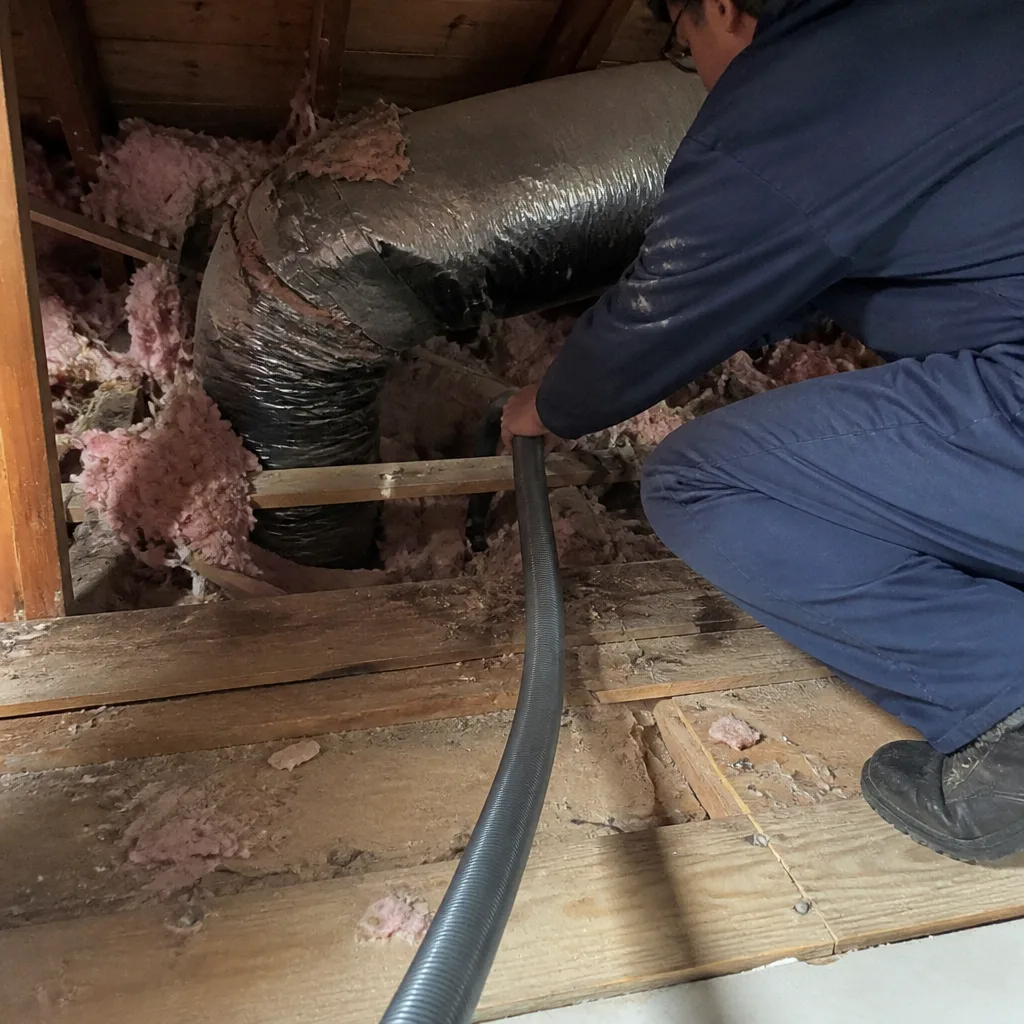 Before
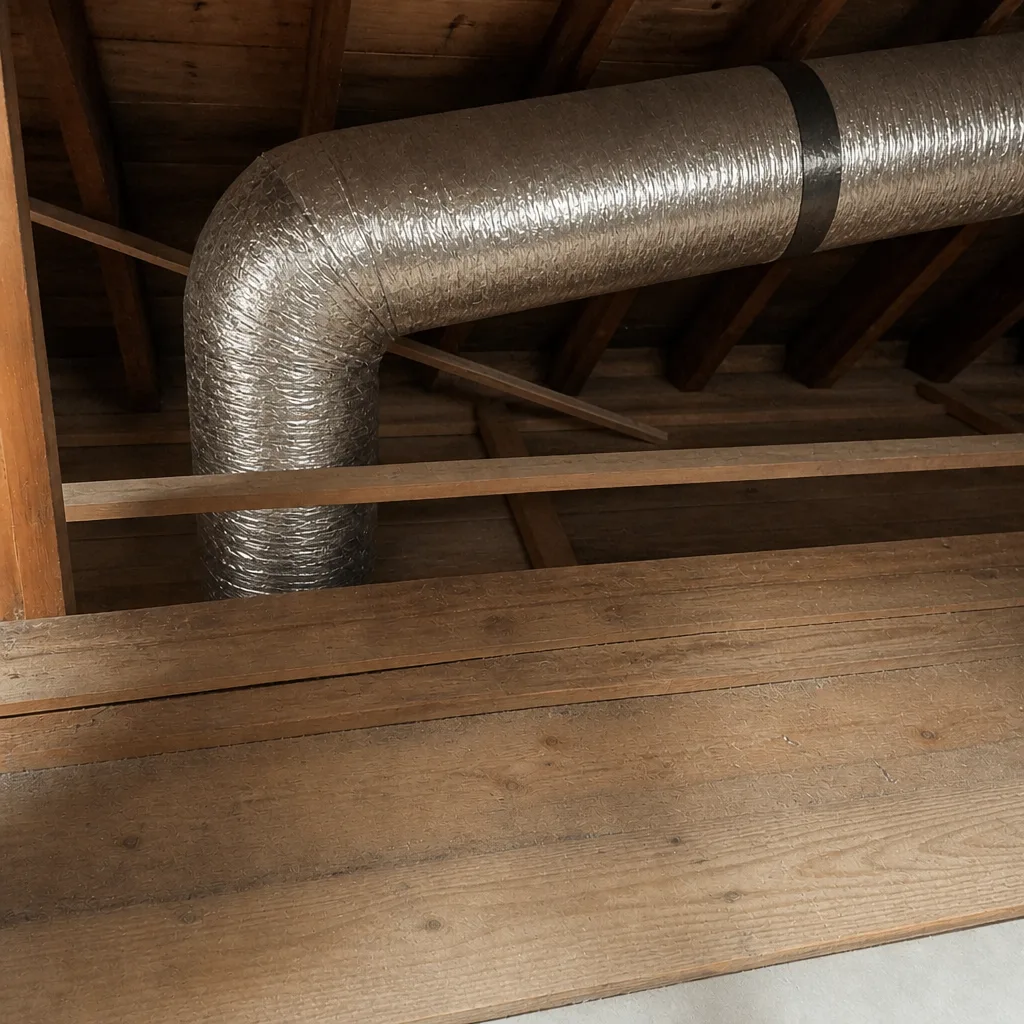 After
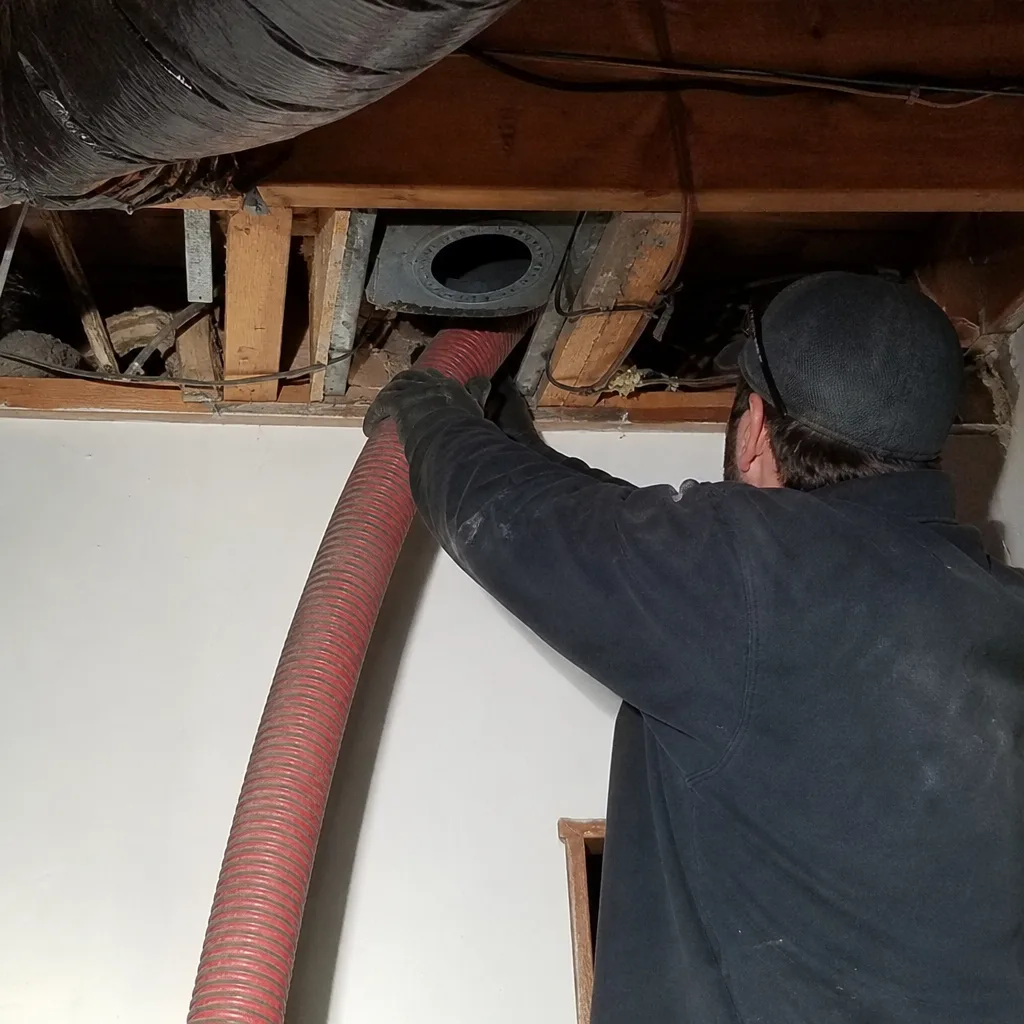 Before
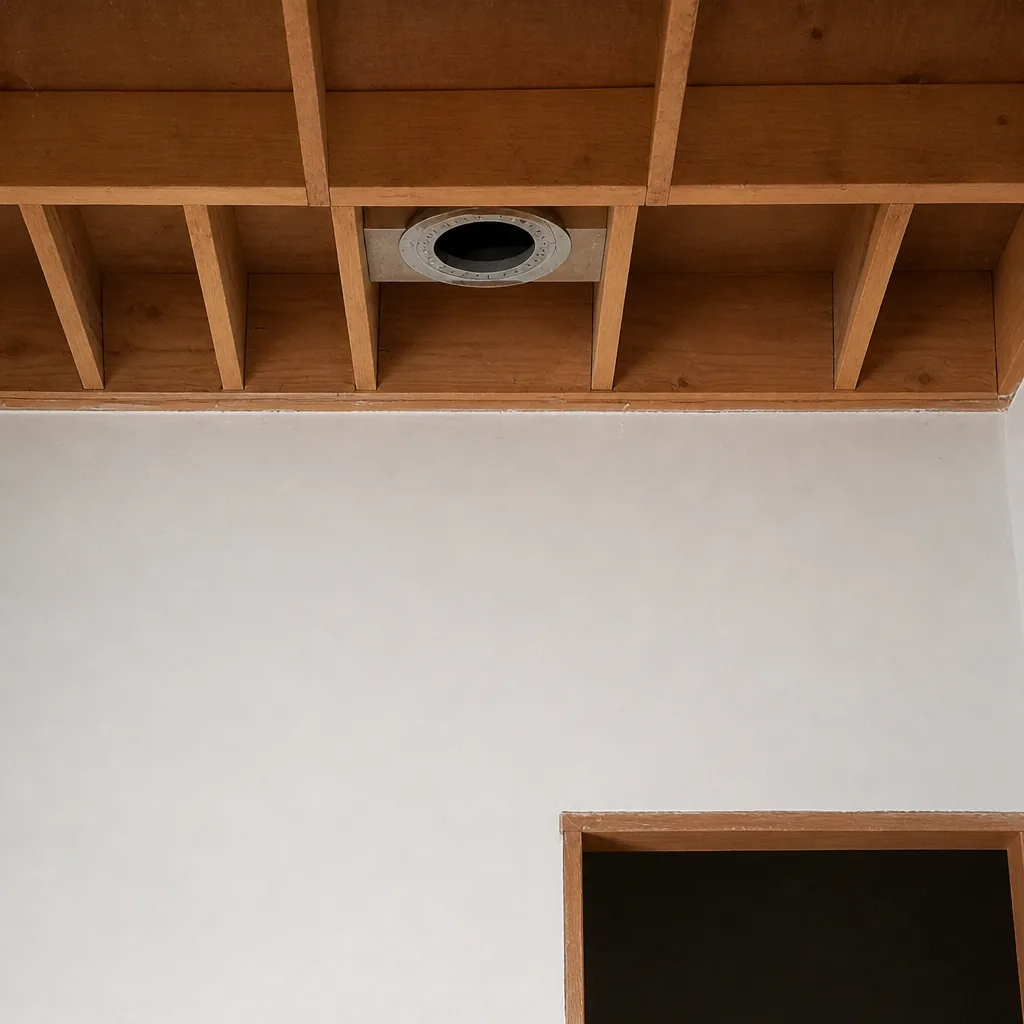 After
 Before
 After
When to Call a Professional
Call for professional inspection when you can see staining at a register that doesn’t wipe away, when a musty smell returns after your own cleaning attempts, when a metallic smell appears during heating cycles (turn the heat off first), when one room consistently runs weak or cold compared to the rest of the house, or when you’ve noticed an ongoing pattern of contamination symptoms tied to HVAC runtime. Federal Way Air Duct Cleaning Pros offers free estimates in Federal Way. Call (833) 482-5931. We answer 24/7. Fast dispatch from 7am to 7pm, Sunday through Friday. Our technicians have up to 9 years of experience, and we run Rotobrush, Nikro, and Abatement Technologies equipment with proper containment so the inspection dust doesn’t end up in the living space.
Frequently Asked Questions
Wipe the register face clean; if the staining or dust trail returns within weeks, it’s coming from behind the register rather than sitting on it, which points to the duct side of the system. Registers that stay clean after a wipe usually mean the source is downstream. Call (833) 482-5931 for a free inspection if the staining returns – it’s worth eliminating the sealing question before assuming a full cleaning is needed.
A metallic or oily smell during the first minutes of a heating cycle usually indicates combustion residue on the heat exchanger, not dirty ducts. Turn the system off and have it inspected by a qualified technician before running the heat again. It can relate to carbon monoxide, so it should never be treated as a routine duct issue.
Typical whole-system air duct cleaning runs in the range of several hundred dollars for a standard single-family home, with cost varying by square footage, number of return branches, and whether duct repair or sealing is added to the scope. Rather than quoting per-vent prices, we set one flat price per system after the estimate. Call (833) 482-5931 for an exact quote on your home.
Not always. Clean registers are a good sign. But visible condition isn’t the only indicator – airflow balance, biological smells, and the condition of the return grille all reveal things the supplies don’t show. If you only have one symptom and it isn’t clear, a free inspection is the cheapest way to find out.
Most Federal Way homes do well with a full-system cleaning every few years, though the schedule should follow what the inspection finds rather than the calendar. Homes with pets, recent remodels, or long-standing moisture issues usually need a shorter interval. Call (833) 482-5931 for a free estimate if you’re not sure where your home stands.
Low quotes usually mean less scope – fewer branches cleaned, no containment, no sealing inspection, or a surface pass without proper equipment. The price gap reflects real differences in what happens on-site. Our estimate sets one flat price per system before any work begins, with before-and-after photos of your own ducts, so you can see what was actually removed. Call (833) 482-5931 to compare an honest scope against whatever you were quoted.
The Bottom Line
Airduct warning signs in Federal Way fall into four useful buckets: what you can see, what you can smell, how the air flows, and how the system correlates with symptoms. Each sign points to a different root cause, and matching them accurately is what turns a vague “something’s off” feeling into a useful call. The biggest single takeaway is that not every sign means cleaning – some mean sealing, some mean HVAC service, and one (the metallic smell) means stopping the system entirely. Write down what you see, photograph it, and call a team that inspects the whole air pathway before quoting.
Our dryer vent cleaning service is worth scheduling at the same time as any duct inspection, since the dryer vent is the same house’s second air pathway and the same contamination patterns show up there.
Written by the team at Federal Way Air Duct Cleaning Pros.