
Last updated November 25, 2026
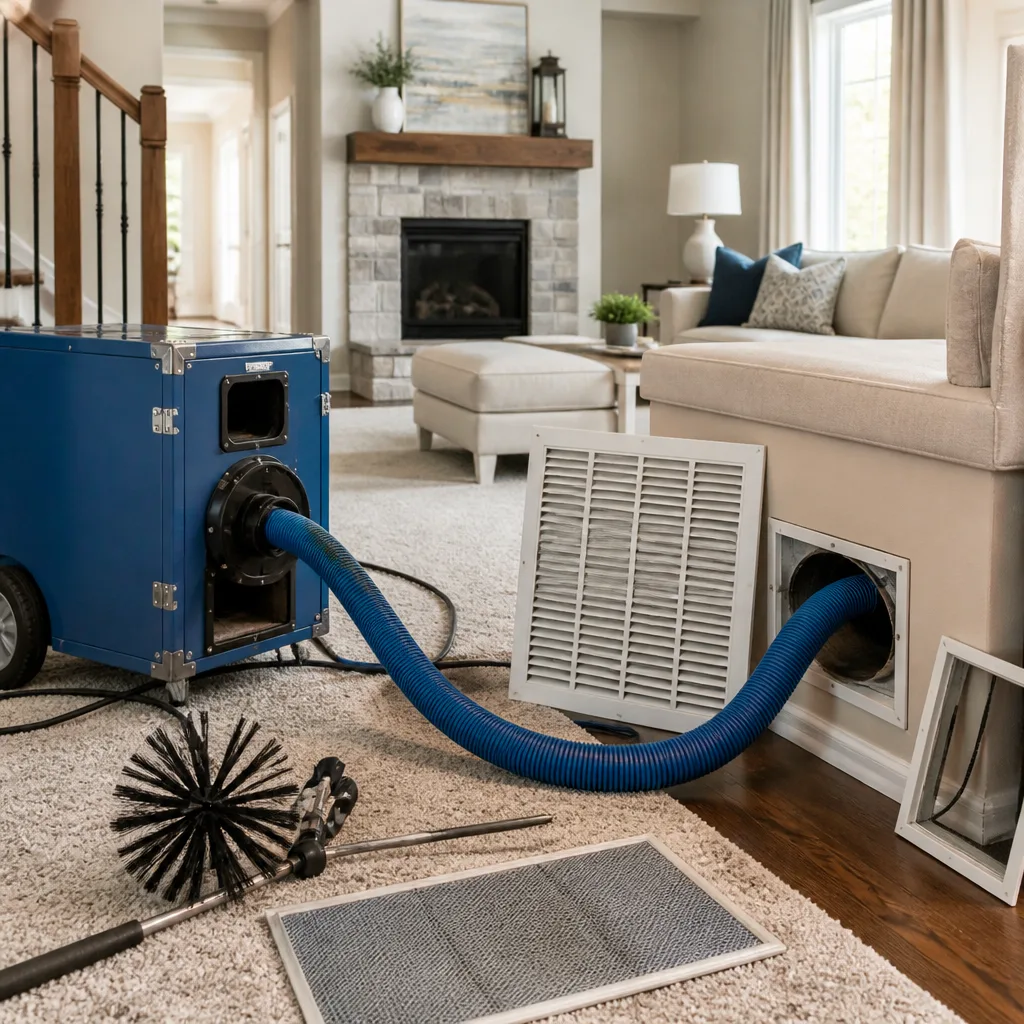 Whole-home duct cleaning
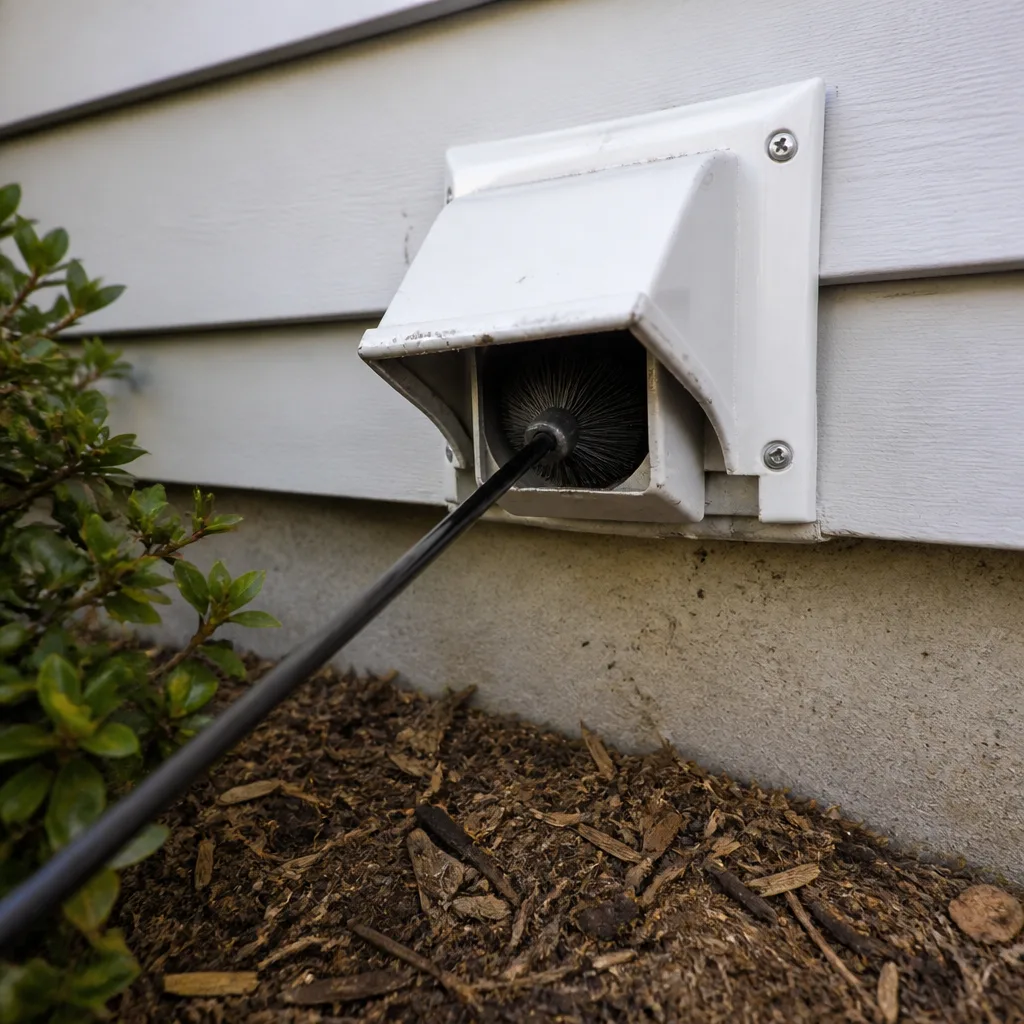 Dryer vent cleaning
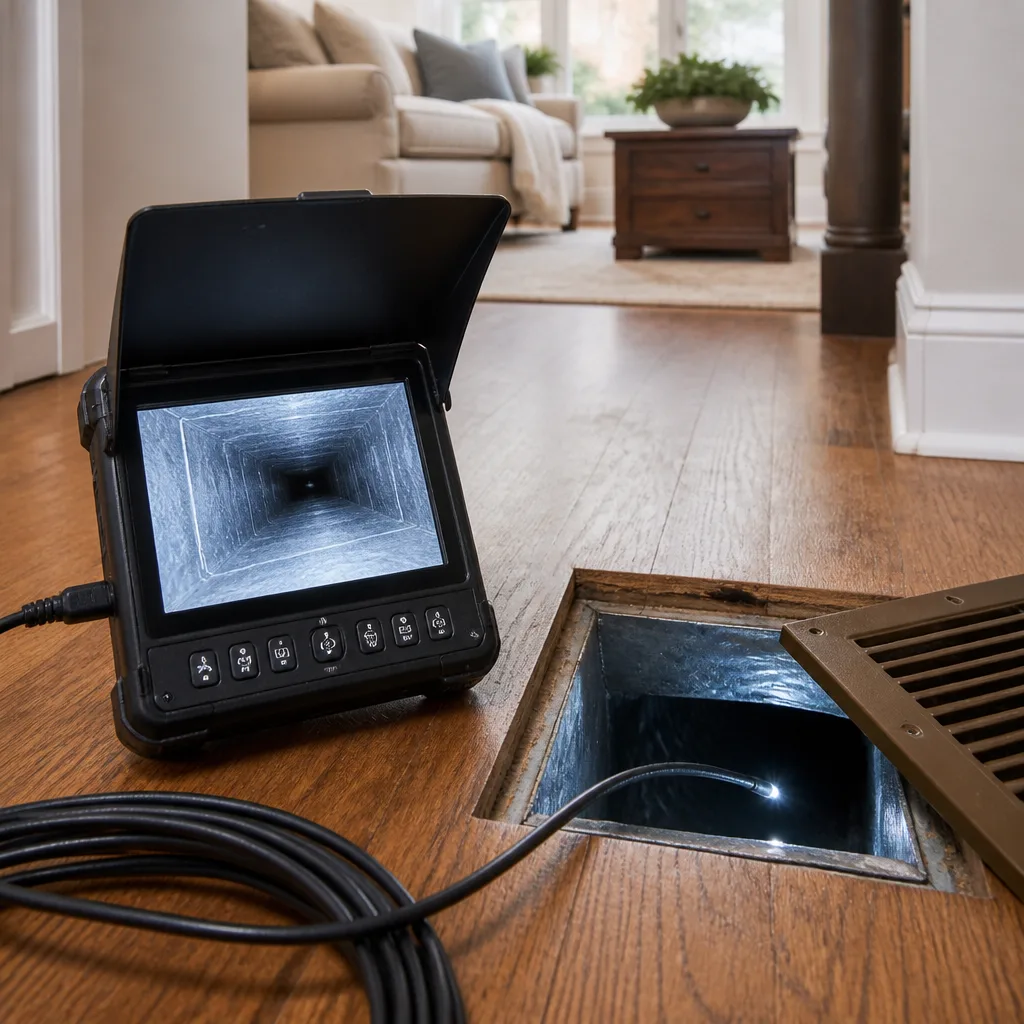 Camera inspection
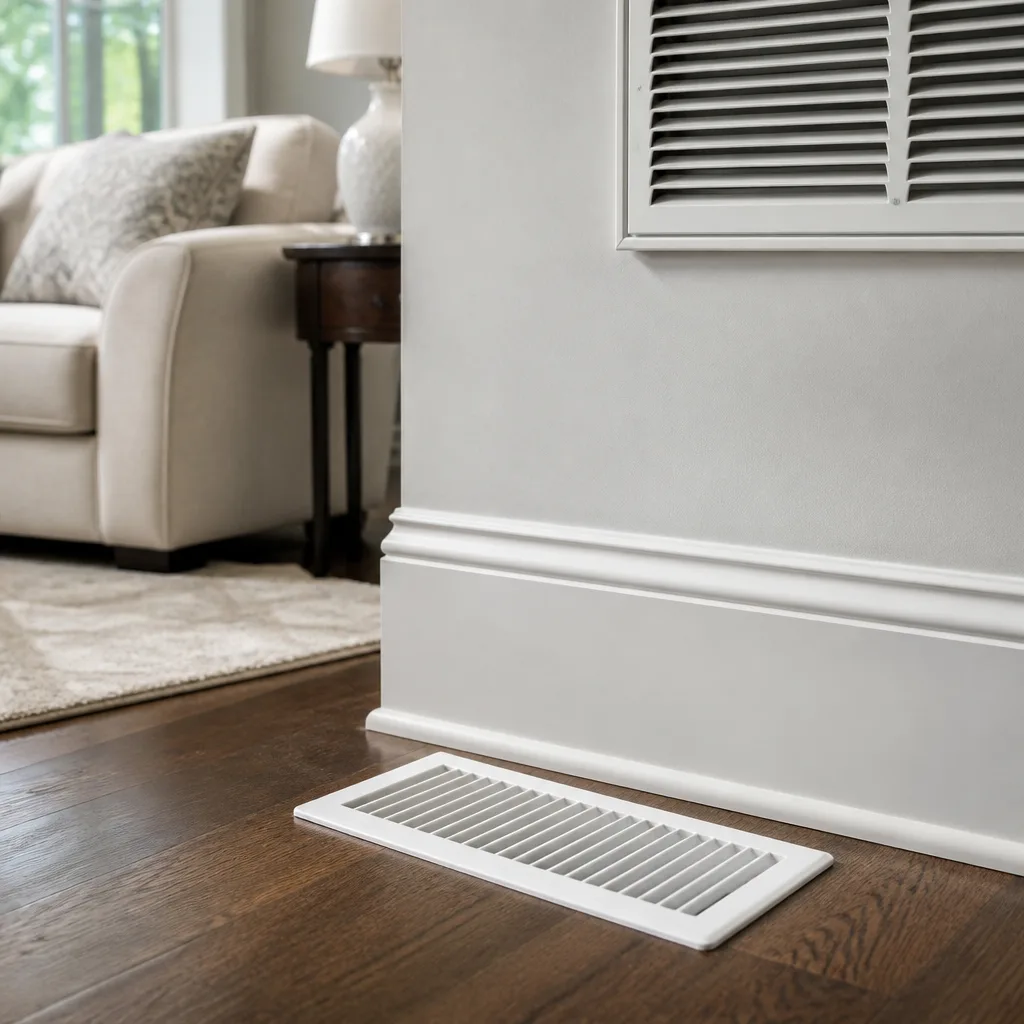 Sanitizing & deodorizing
Whole-system duct and dryer vent check with before-and-after photos - you see exactly what came out of your vents
That "$99 whole-house special" is a bait ad - the real number appears once they are in your hallway, or the "clean" is a shop-vac at the register. We photograph the inside of your ducts before and after instead.
Air Duct Cleaning Troubleshooting in Federal Way: Common Problems and How to Fix Them
If a technician can’t tell you which section of duct is causing your problem before they start cleaning, they’re guessing, and you’re paying for it. Most homeowners in Federal Way come to us with a symptom: a musty smell in the hallway, a bedroom that never warms up, registers that dust over within a week. Those aren’t vague air quality complaints. They’re clues that point to a specific mechanical cause somewhere in the system, whether that’s a crushed flex run behind the drywall or a leaking joint at a trunk takeoff. This guide maps each common symptom to its likely source, explains what actually fixes it, and shows you what a real diagnostic inspection should look like.
Quick Answer
Most air duct problems in Federal Way fall into four causes: contamination buildup (dust, mold, debris in the ducts), duct leakage and disconnected runs, mechanical failure of a component like a dirty coil or blower, or undersized or collapsed ductwork. Cleaning solves contamination. It does not solve leakage, collapsed runs, or failed components; those need repair, sealing, or replacement first. A proper inspection identifies which cause you’re dealing with before any cleaning equipment is turned on.
Styles & brands we work with
- Whole-home duct cleaning
- Dryer vent cleaning
- Camera inspection
- Sanitizing & deodorizing
Table of Contents
- Matching Your Symptom to the Most Likely Duct-System Cause
- Why Federal Way’s Damp Climate Changes the Duct Problem
- What Cleaning Fixes vs. What Needs Sealing or Repair
- The Decision Tree: Assess First or Schedule Cleaning Directly
- What a Proper Diagnostic Inspection Looks Like
- Dryer Vent Problems That Get Mistaken for Duct Problems
- HVAC Components That Undermine a Clean Duct System
- When Sanitizing Helps and When It’s Covering for Something Else
Matching Your Symptom to the Most Likely Duct-System Cause
Start here. If you can describe your problem in one of the following terms, you can narrow down what’s actually wrong before anyone shows up at your door. This is the difference between a targeted repair and an expensive cleaning that fixes nothing.
- Musty, earthy smell when the system kicks on. Almost always contamination inside the ducts or on the evaporator coil. In Federal Way, where indoor humidity climbs through the fall and winter, the coil and the first few feet of supply duct are where mold and organic buildup tend to sit. Occasionally it’s contaminated duct insulation or a wet spot where a duct passes through an unconditioned crawlspace.
- Rattling or popping when the furnace or air handler starts. Usually ductwork that’s undersized, loose at the joints, or flex duct that’s been crushed or is snapping as pressure changes. Sometimes it’s a failing blower or a loose panel. Rarely is it contamination.
- Registers that dust over within a week or two. Supply registers coating with dust usually point to a filtration problem, a dirty blower, or ductwork pulling in attic or crawlspace air through leaks. Dust settling on return grilles is often just the return doing its job; dust on supply registers usually means the air is getting dirty on its way to you.
- One or two rooms that stay hot in summer and cold in winter. Classic sign of a collapsed flex run, a disconnected duct in the attic or crawlspace, or a damper stuck closed. Cleaning won’t move the air. Repair or rebalancing will.
- Whole-house weak airflow. Dirty filter, dirty coil, failing blower, or a duct system with widespread leaks. Static pressure testing tells you which.
- Visible dust streaks around a ceiling register or grille. Leakage at the boot or a gap between the duct and the drywall. The air is escaping at the seam and pulling dust with it. Sealing fixes it; cleaning doesn’t.
If any of these descriptions sound familiar, you already know more than most homeowners do when they call. That’s the point. When you can say “the register in the back bedroom is dusty and the room is cold,” you’ve correctly identified the zone. A technician can then target that zone instead of selling you a whole-house job that may not address the cause. We see this constantly in Federal Way: the symptom gets named accurately, the fix gets done once.
One note on smells. A musty smell that shows up only in certain rooms usually points to a localized problem, either at a register boot or on the run serving that room. A smell that shows up house-wide when the system runs points to a shared component, almost always the coil or the return plenum. That distinction alone narrows the job considerably.
Why Federal Way’s Damp Climate Changes the Duct Problem
Federal Way sits in a marine-influenced climate where humidity runs high from October through March, and that changes the biology of what grows inside a duct system. In drier parts of the country, duct contamination is mostly dust and construction debris. Here, moisture is the variable that turns ordinary dust into a substrate. Organic material that would stay powdery in a Phoenix attic becomes a food source for mold and mildew in a Federal Way crawlspace.
Three things follow from that:
- Coils get dirtier and stay wetter. The evaporator coil condenses water every time the air conditioner runs, and in a humid climate it stays damp longer. Dust that lands on a damp coil sticks and becomes a biofilm. That biofilm is what homeowners smell when they turn the system on after a few weeks off.
- Crawlspace and attic ductwork is more vulnerable. Many Federal Way homes have duct runs in a vented crawlspace, an unconditioned attic, or a garage soffit. Those spaces see seasonal moisture swings, and any duct with compromised insulation will sweat. Wet insulation is a contamination source that cleaning alone won’t fix; the run has to be repaired or replaced before cleaning is meaningful.
- Mold growth is a seasonal problem, not a permanent one. The same duct that smells musty in January often smells neutral by July. That’s not because the mold left; it’s because the conditions that let it grow backed off. Cleaning and treating a duct system in the damp months without addressing the moisture source produces a problem that comes back the following fall.
What this means practically: in Federal Way, a duct cleaning assessment should always include a humidity and moisture check at the coil, at the plenum, and at any duct run that passes through a crawlspace or attic. If the moisture source isn’t identified, the cleaning job is temporary. That’s not opinion; it’s the difference between a job that resolves the symptom and one that postpones it. Professional-grade equipment including Abatement Technologies negative-pressure units and HEPA filtration is built for exactly this reason: containing what comes out of the system during cleaning so it doesn’t recontaminate the living space, and allowing us to inspect what’s left behind.
If you notice a musty smell in the fall, roughly when the rains return, you’re not imagining the timing. It’s the local pattern. The full scope of what a proper cleaning involves is laid out on our air duct cleaning page if you want to see the sequence before deciding whether to call.
What Cleaning Fixes vs. What Needs Sealing or Repair
This is where the industry gets murky, and where homeowners end up paying twice. Cleaning removes what’s inside a sealed system. It does not close a gap, reattach a disconnected run, or restore a crushed duct. If your problem is one of the latter, cleaning might make the ducts themselves look better, but it won’t change how the house feels.
Problems cleaning alone resolves
- Dust and debris accumulation in the ducts and at registers
- Mild to moderate microbial growth on duct surfaces when the moisture source is addressed
- Pet dander, drywall dust, and construction debris from a recent remodel
- Odors from debris sitting in supply or return runs
- Contaminated duct lining where the lining is intact
Problems that require sealing or repair before cleaning matters
- Leaking joints, boots, and takeoffs (air escaping into the attic or wall cavity)
- Disconnected flex duct in the attic, crawlspace, or wall chase
- Crushed or kinked flex runs that restrict airflow
- Torn or degraded duct insulation, especially in unconditioned spaces
- Rotted or damaged duct board sections
- Gaps at the register boot where the duct meets the finished ceiling or floor
The repair-before-cleaning sequence matters because sealing after cleaning is pointless; the ducts get dirty again the moment the system runs and pulls unfiltered air through the same gaps. In Federal Way homes we look at, the most common single failure is a boot-to-floor or boot-to-drywall gap. It’s small, it’s invisible from inside the room, and it accounts for a surprising share of the dust settling on furniture. Duct repair and sealing is its own discipline, and it’s why we treat it as a separate service from cleaning rather than an upsell. A cleaning-only company can’t fix this, and a homeowner who only buys cleaning will keep dusting.
Problems that require component service, not duct service
- Dirty evaporator coil
- Dirty or failing blower wheel
- Clogged condensate drain (creates the moisture that feeds everything else)
- Mold inside the air handler cabinet
An HVAC cleaning visit addresses the air handler side of the system. A duct cleaning visit addresses the ductwork. The two are related but not interchangeable, and any honest assessment tells you which one you actually need. Our HVAC cleaning page walks through what’s involved on the equipment side.
The Decision Tree: Assess First or Schedule Cleaning Directly
Most homeowners fall into one of two categories: the ones who already know they want a cleaning, and the ones who need someone to tell them what’s wrong. If you can answer the questions below, you’ll know which appointment to schedule.
Schedule cleaning directly if:
- You’ve lived in the home for several years and never had the ducts cleaned, and there’s no specific room or zone complaint.
- You’ve recently finished a remodel and drywall dust or construction debris is a known issue.
- You have pets and notice dust accumulation or pet odor, with no other symptoms.
- Registers look dusty and airflow is even across rooms.
- You’re moving into a home where the previous owner’s cleaning history is unknown.
Schedule an assessment first if:
- Airflow is uneven (hot or cold rooms) with no obvious filter cause.
- You smell something musty whenever the system runs.
- You hear rattling, popping, or whistling.
- The system short-cycles or runs constantly.
- You’ve recently had water damage, a roof leak, or a condensate overflow.
- You see dust streaks at register edges or ceiling staining around supply boots.
- You have visible mold anywhere on a register, grille, or duct opening.
The assessment vs. direct cleaning distinction matters because a proper inspection takes about the same time as a small cleaning job and produces a written plan. When the symptoms are structural, spending the assessment time first saves the cost of a cleaning that wouldn’t have fixed anything. When the symptoms are routine, going straight to cleaning is efficient. Most Federal Way homeowners with a specific room complaint need the assessment. Homeowners with generalized dust and no other symptom usually don’t.
What a Proper Diagnostic Inspection Looks Like
An inspection isn’t a walkthrough with a flashlight. It’s a sequence of specific tests that produce specific numbers, and you should know what to ask for. If a technician arrives and immediately starts quoting a cleaning price before running any of these, that’s the wrong sequence.
Step 1: Static pressure testing
A technician measures pressure at the return plenum and in the supply trunk with a manometer. The result tells you whether the system is moving air at the pressure the equipment was designed for. High static pressure on the return side usually points to undersized returns or a crushed duct. High pressure on the supply side points to filter restriction, coil restriction, or ductwork undersizing. Without this measurement, any airflow diagnosis is guesswork.
Step 2: Camera scoping
A camera on a flexible rod goes through the return plenum and down individual supply runs. This is how a collapsed flex duct, a disconnected joint, or a mold colony on the coil gets confirmed rather than assumed. In Federal Way’s older housing stock, camera work frequently reveals duct runs that were never properly connected during a prior remodel.
Step 3: Airflow measurement at registers
An anemometer at each register, compared against expected airflow for the room size, gives you a room-by-room picture. If one register is 40 percent below the others, you’ve localized the problem.
Step 4: Moisture assessment
Moisture readings at the coil, at the plenum, and at any duct run in a crawlspace or attic. This is the step that most cleaning-only companies skip in a damp climate like Federal Way’s, and it’s the one that determines whether a sanitizing treatment will hold.
Step 5: Visual inspection of boots and connections
The register boots, the joint where ducting meets the ceiling or floor, and any visible ductwork in the attic or crawlspace. This is where most leakage is found, and it’s where repair and sealing work begins.
Ask for the static pressure reading and the register-by-register airflow numbers. Ask to see the camera footage. A technician who can show you a camera frame of the coil or the crushed run isn’t guessing; they’re diagnosing. That’s the standard our technicians work to, and it’s what you should expect from any assessment, ours or anyone else’s.
Dryer Vent Problems That Get Mistaken for Duct Problems
The dryer vent is its own system, and its symptoms often get confused with HVAC duct symptoms. If the laundry room is humid, clothes take two cycles to dry, or the top of the dryer feels hot to the touch, the problem is in the dryer vent, not the supply ducts. That matters because a clogged dryer vent is a fire risk, and a cleaning call that never reaches the vent leaves the hazard in place.
Federal Way homes with dryers pushed close to an exterior wall often have long, compressed flexible transition ducts with multiple elbows behind the machine. Lint accumulates at every bend. A proper dryer vent cleaning includes disconnecting the transition duct, cleaning the full length of the run to the exterior termination, verifying the exterior damper opens freely, and reassembling with a smooth-walled transition. It’s a dedicated service, not an add-on tacked onto an HVAC cleaning, and it deserves its own appointment.
Signs your dryer vent needs attention:
- Clothes take longer than one cycle to dry
- The dryer body feels hot during operation
- The laundry room stays humid
- You see lint around the exterior vent flap
- The exterior flap doesn’t fully open when the dryer runs
- You’ve never had the vent cleaned and the dryer is more than a few years old
The mechanical reason drying times lengthen is simple: a blocked vent means hot, moisture-laden air can’t leave the drum efficiently. The dryer runs longer, the motor works harder, and lint stacks at every restriction. Our dryer vent cleaning page covers the full clearance process if you want to read it before scheduling.
HVAC Components That Undermine a Clean Duct System
You can clean a duct system perfectly and still have poor indoor air if the air handler is dirty. Three components do most of the damage, and all three are routinely missed by cleaning-only services.
The evaporator coil. This is the wet coil inside the air handler cabinet. In Federal Way’s damp October-through-March stretch, the coil stays moist enough for dust to adhere. Once dust deposits build up, they insulate the coil, reduce heat transfer, and become the substrate for the musty smell homeowners describe. Cleaning the coil requires access to the cabinet and a method that flushes rather than smears the buildup. A duct cleaning that stops at the plenum leaves the coil untouched.
The blower wheel. Dust accumulates on the blades and unbalances the wheel. An unbalanced blower vibrates, and vibration loosens duct joints over time. Clean the wheel and a decent portion of the rattling complaint resolves without ever looking at the ducts.
The condensate drain and pan. A clogged drain keeps the pan wet, which keeps the air handler cabinet humid, which feeds mold. Cleaning the ducts without clearing the drain produces a system that’s clean for exactly as long as it takes the next moisture cycle to reestablish conditions. This is the specific connection between Federal Way’s climate and how duct cleaning has to be sequenced here.
A complete HVAC cleaning addresses the coil, blower, cabinet, and drain together. If a company quotes you a duct cleaning without mentioning the air handler, ask whether they’ll inspect it. The answer tells you a lot about the company you’re dealing with.
When Sanitizing Helps and When It’s Covering for Something Else
Sanitizing is a post-cleaning step. It’s not a substitute for cleaning, and it’s not a substitute for repairing a moisture source. When it’s applied correctly, using products along the lines of Honeywell and Aprilaire components for filtration and treated antimicrobial applications such as Guardsman-grade sanitizers for post-cleaning duct surfaces, it knocks down residual microbial populations on clean surfaces. When it’s applied to a dirty system or to a system with an active moisture problem, it does nothing that lasts.
The right sequence in Federal Way is:
- Identify and fix the moisture source (condensate drain, duct leak into a crawlspace, degraded insulation).
- Clean the ducts and air handler with professional-grade equipment.
- Seal any leakage found during cleaning.
- Apply a sanitizing treatment to clean surfaces.
- Verify airflow and pressure after the system returns to operation.
Filtration upgrades fit at step one or step five, depending on the cause. A properly sized whole-home filter paired with an air handler can reduce how often the ducts need deep cleaning, but no filter eliminates the need entirely. If a company offers you a sanitizing treatment without offering to inspect the coil and the moisture source first, they’re selling the last step without doing the first.
You can see how our five service lines fit together on our Federal Way Air Duct Cleaning Pros home page. Cleaning, HVAC service, dryer vent clearing, duct repair, and sanitizing are separate disciplines, and matching the right one to the right symptom is what this guide is about.
Common Mistakes to Avoid
- Buying a cleaning to solve an airflow complaint. If a room is hot or cold because a flex duct collapsed in the attic, cleaning the ducts won’t change the temperature. Confirming the cause first saves the cost of an ineffective job.
- Getting the ducts cleaned while a moisture source is still active. Federal Way’s damp months produce mold when the conditions are right. Cleaning without addressing the coil, drain, or a wet duct run means the growth returns as soon as the season does.
- Ignoring dust streaks at register edges. Those streaks are air leaking through a gap between the boot and the ceiling or floor. Cleaning the ducts doesn’t close the gap. Sealing the boot does, and it’s a small repair compared to a repeat cleaning.
- Treating the dryer vent as part of the HVAC job. The dryer vent is a fire-life-safety component and its own service. A cleaning call that skips the vent leaves the hazard that matters most in place.
- Skipping the air handler inspection. A dirty coil and blower defeat a clean duct system within weeks. Ask explicitly whether the air handler and coil are part of the scope before booking.
- Accepting a quote without a static pressure or camera-based diagnosis. If a technician quotes a cleaning before measuring anything, they haven’t diagnosed. Purchase a diagnosis, then decide on the fix.
- Assuming an up-front sanitizing treatment is needed on every job. Sanitizing helps after cleaning on intact surfaces. It doesn’t fix a dirty coil, a leaking duct, or a moisture problem, and paying for it as an automatic add-on is buying a step without the ones it depends on.
See the difference
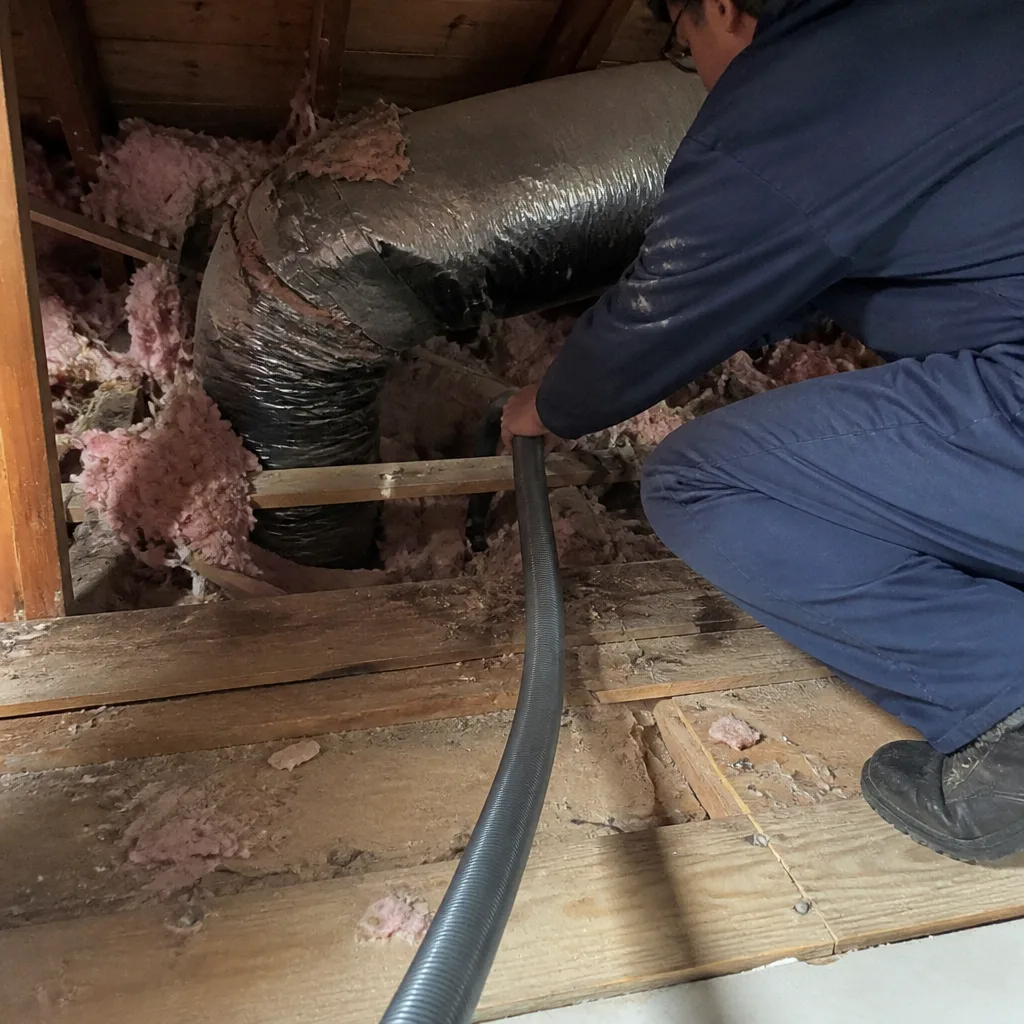 Before
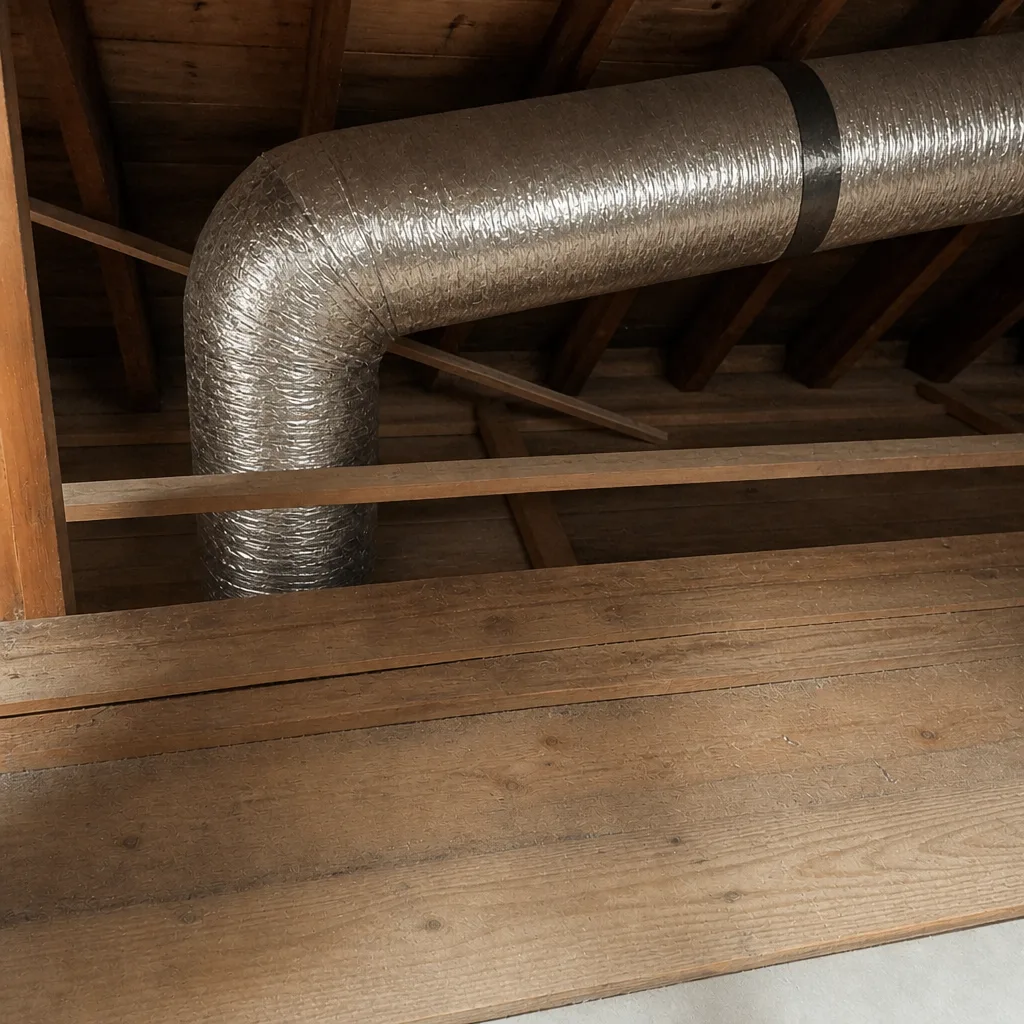 After
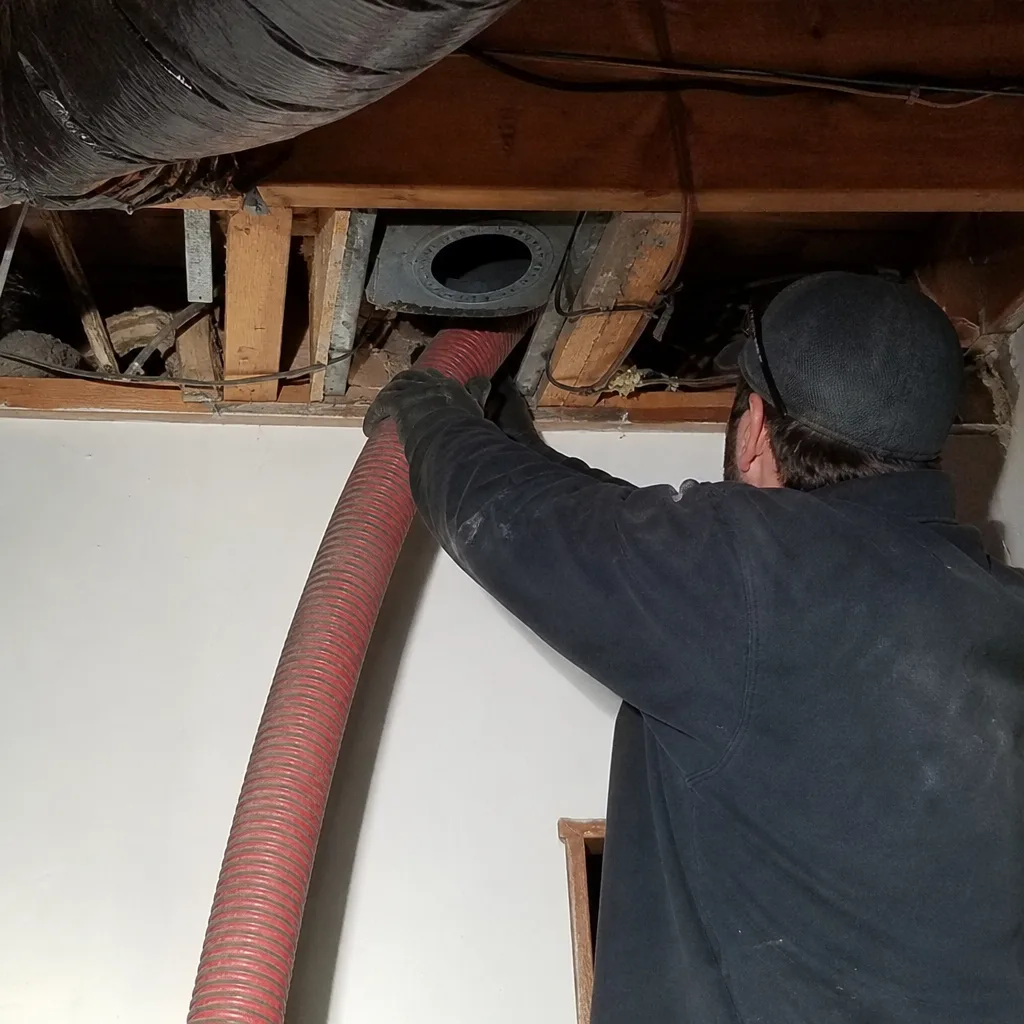 Before
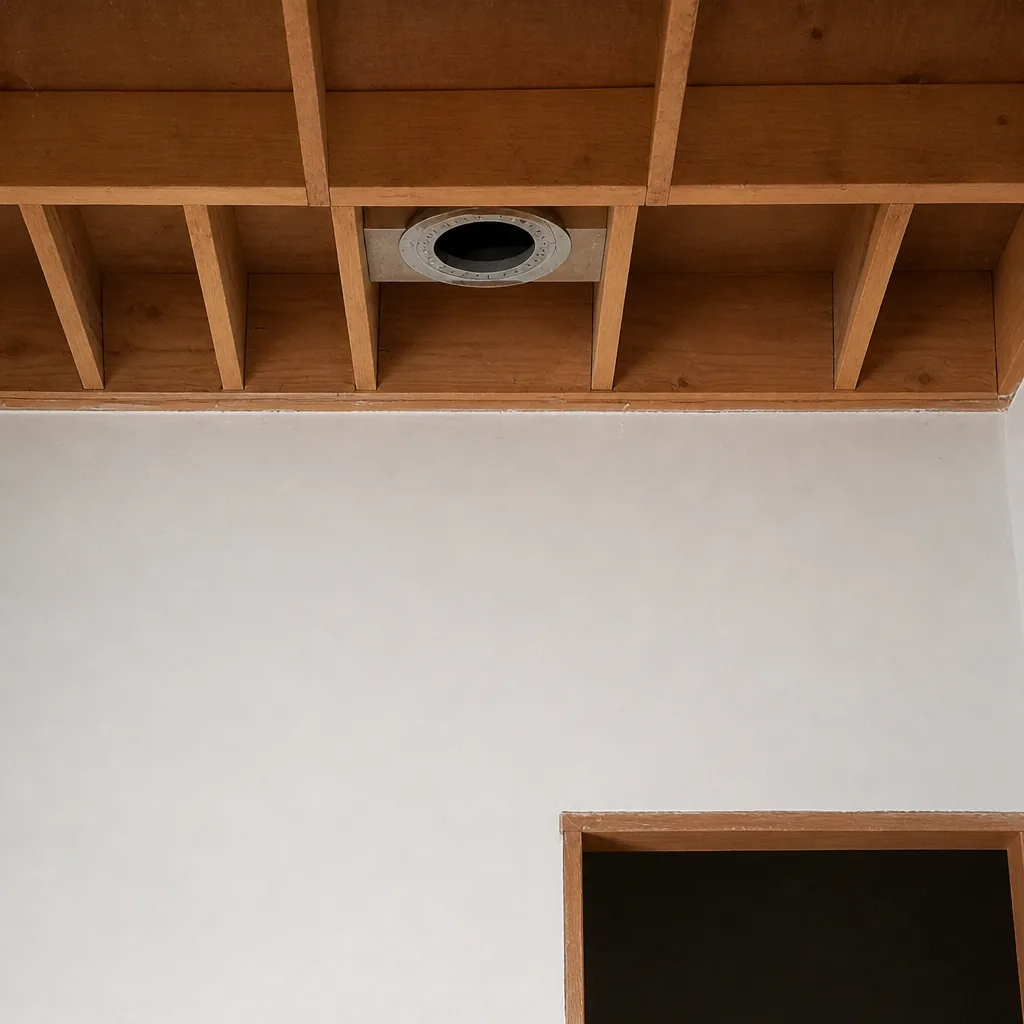 After
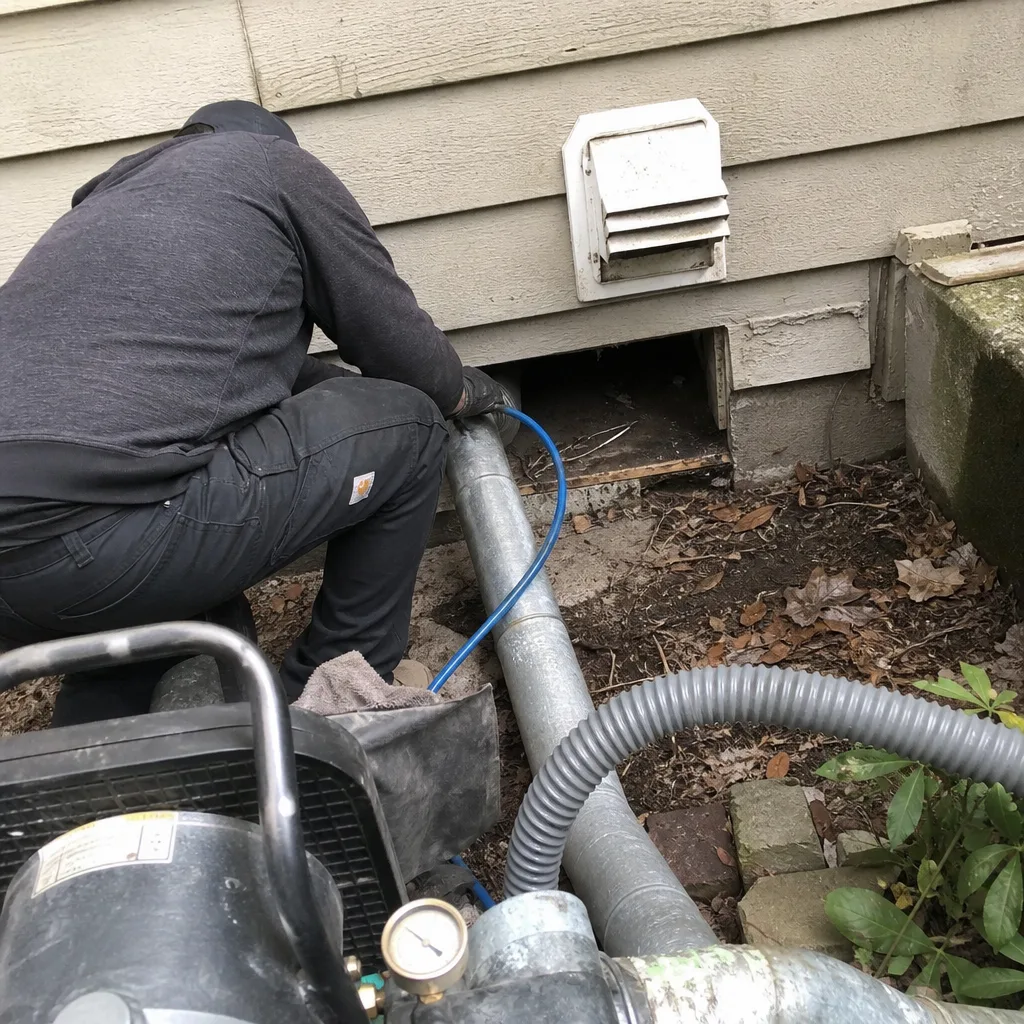 Before
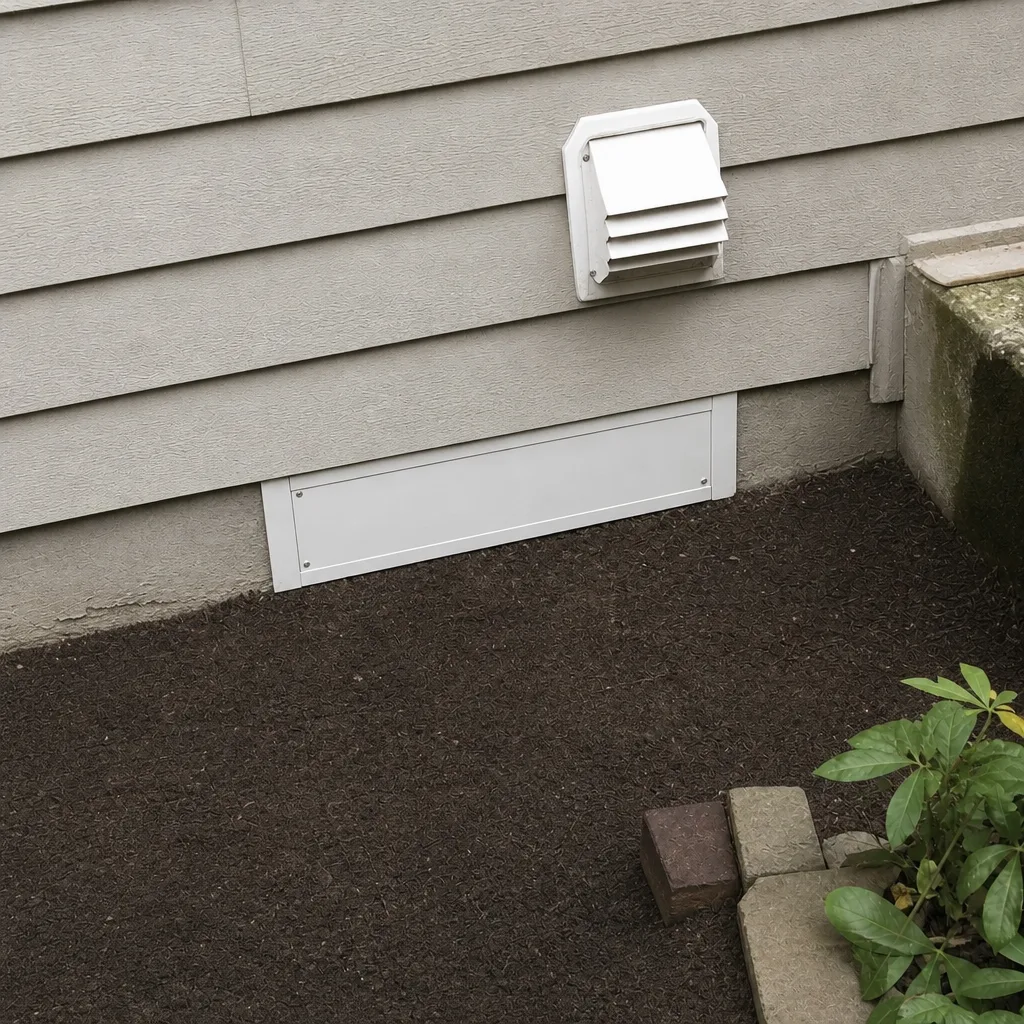 After
When to Call a Professional
Call a professional when the symptom is persistent, when you can’t identify a likely cause after reading the mapping above, or when you’ve noticed more than one symptom at once. Multiple simultaneous symptoms (dust streaks plus a musty smell plus one cold room) usually mean more than one issue in the system, and the fixes need to be sequenced. Call when you’ve had water intrusion, a condensate overflow, or a roof leak into a duct run, even if nothing smells yet. Call if you can’t remember the last time a duct cleaning or dryer vent cleaning was done and the home is more than a few years old. Call if a technician quoted you a price before running any diagnostic tests; getting a second opinion is free and worth it. Federal Way Air Duct Cleaning Pros offers free estimates in Federal Way. Call (833) 482-5931. We answer 24/7. Fast dispatch from 7am to 7pm, Sunday through Friday.
Frequently Asked Questions
Contamination shows up as smells, dust, and gradual airflow changes across the whole system. Mechanical problems show up as sudden airflow loss, rattling, or a specific room that behaves differently from the rest. Static pressure testing and camera scoping separate the two in about an hour. Call (833) 482-5931 for an exact quote on an assessment; estimates are free.
Because the humidity that feeds mold is seasonal here. From October through March, indoor moisture sits higher, the coil stays wetter, and any existing microbial population on the coil or duct surfaces becomes active. The smell quiets in summer because the growth conditions back off, not because the problem resolved. If yours returns every fall, it’s worth having the coil and plenum inspected before the next damp season. Call (833) 482-5931 for a quote; estimates are free.
Cost depends on the number of registers, the layout, and whether repair or sealing work is needed. We quote one flat price per system after a free assessment, not per vent, so the number you agree to is the number on the invoice. Why some quotes come in much lower: they typically stop at the registers, skip the air handler, and don’t include repair. Call (833) 482-5931 for an exact quote; estimates are free.
No. A single cold room almost always points to a collapsed flex run, a disconnected duct, a stuck damper, or a boot leak, not contamination. Those require repair or sealing, and cleaning afterward. Call (833) 482-5931 to schedule an assessment; the estimate is free.
You should be shown before-and-after photos of your own ducts and air handler, and you should receive static pressure and register airflow numbers from before and after the work. If a company can’t show you the inside of your ducts before cleaning, they can’t show you it after. Call (833) 482-5931 to book; the estimate is free.
Most Federal Way homes do well with a cleaning every few years, but the interval depends on the home, pets, filtration, and whether the system has any leakage. A home with a leaking boot, a dirty coil, or a wet crawlspace run needs repair before the interval question matters. Call (833) 482-5931 and we’ll walk through your situation; estimates are free.
The Bottom Line
Symptoms are specific, and so are the fixes. A musty smell, a rattling start-up, a dusty register, or a cold room each point to a narrow set of mechanical causes, and the fastest way to resolve any of them is to identify the cause before spending money on cleaning. In Federal Way’s damp climate, the moisture question sits underneath almost every duct problem, so a proper assessment covers the coil, the plenum, and any wet duct run. Cleaning helps when contamination is the cause. Sealing, repair, or component service helps when it isn’t. Our technicians have up to 9 years of experience and use professional-grade equipment, including Rotobrush and Nikro systems and Abatement Technologies negative-pressure units, so the diagnosis and the fix happen on the same visit.
Call (833) 482-5931. We answer 24/7. Fast dispatch from 7am to 7pm, Sunday through Friday.
Written by the team at Federal Way Air Duct Cleaning Pros.