
Last updated November 25, 2026
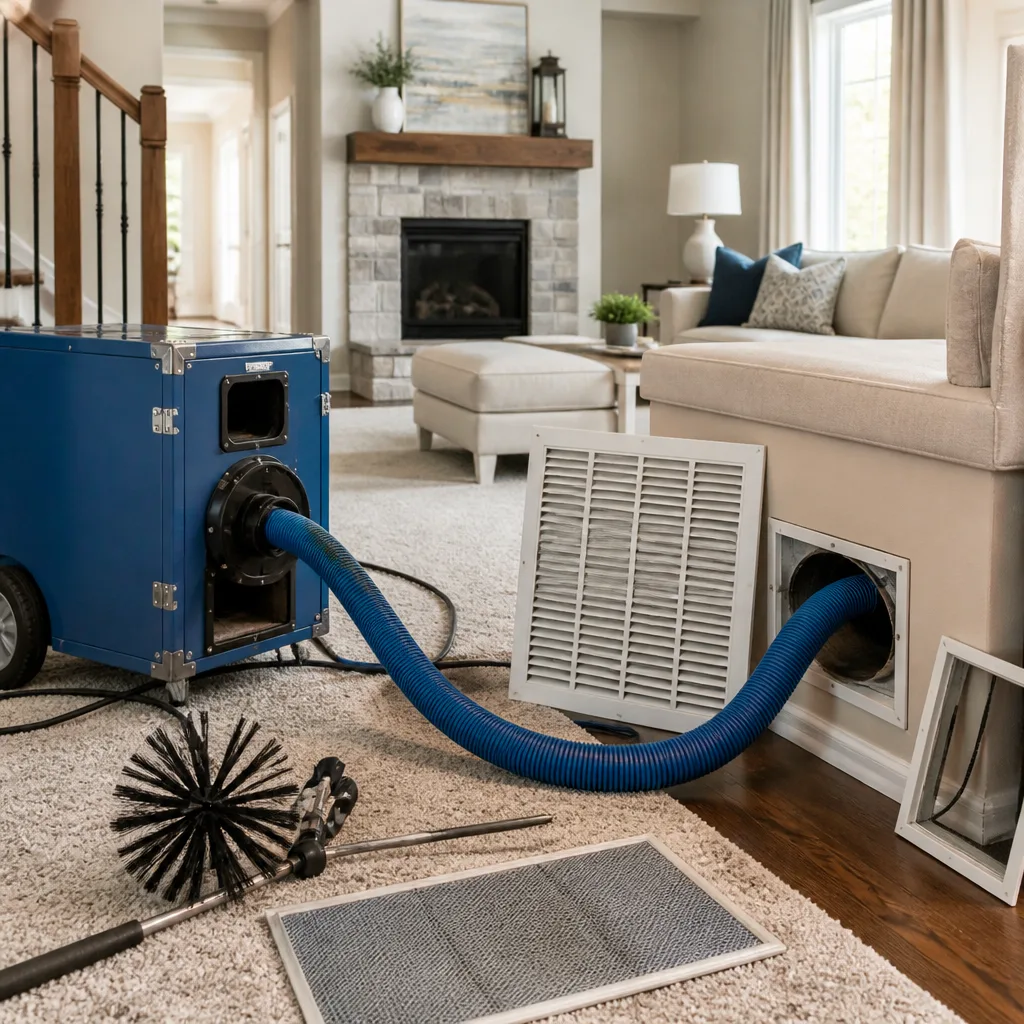 Whole-home duct cleaning
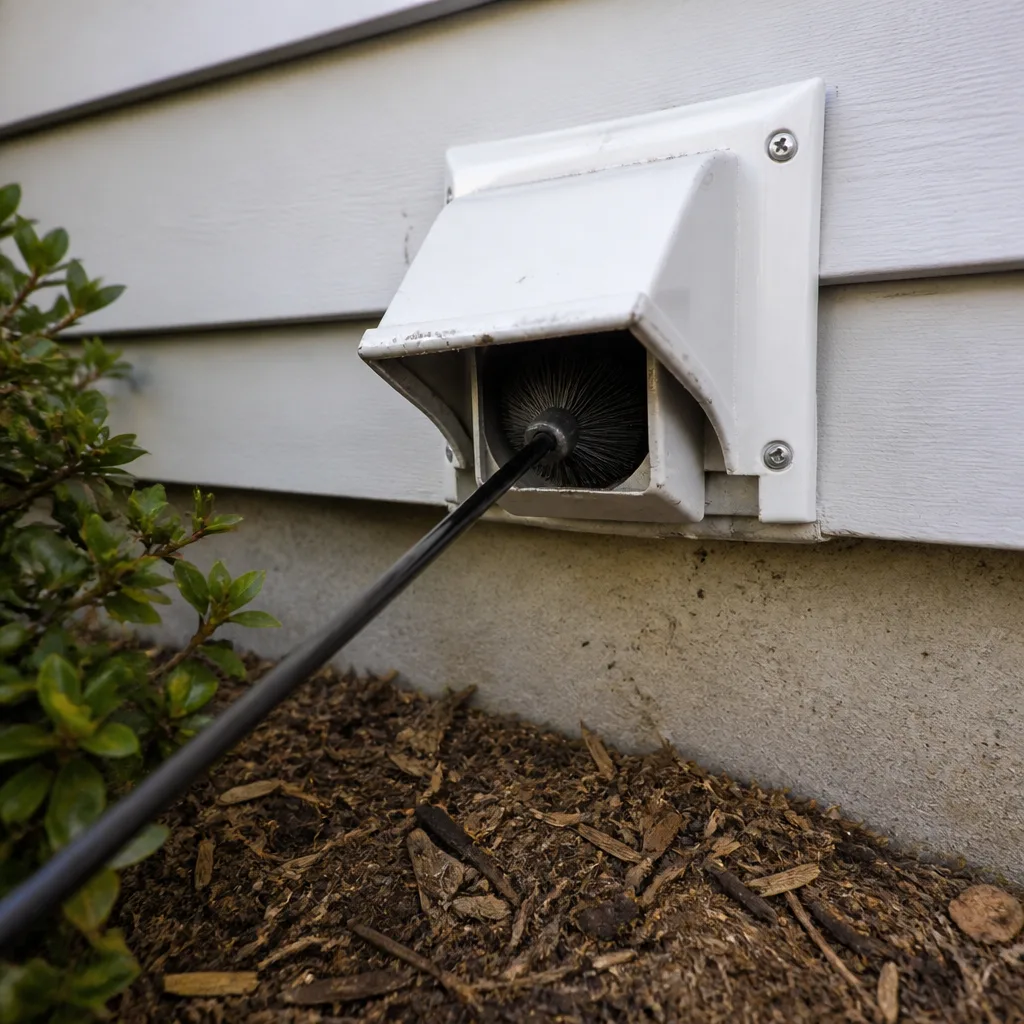 Dryer vent cleaning
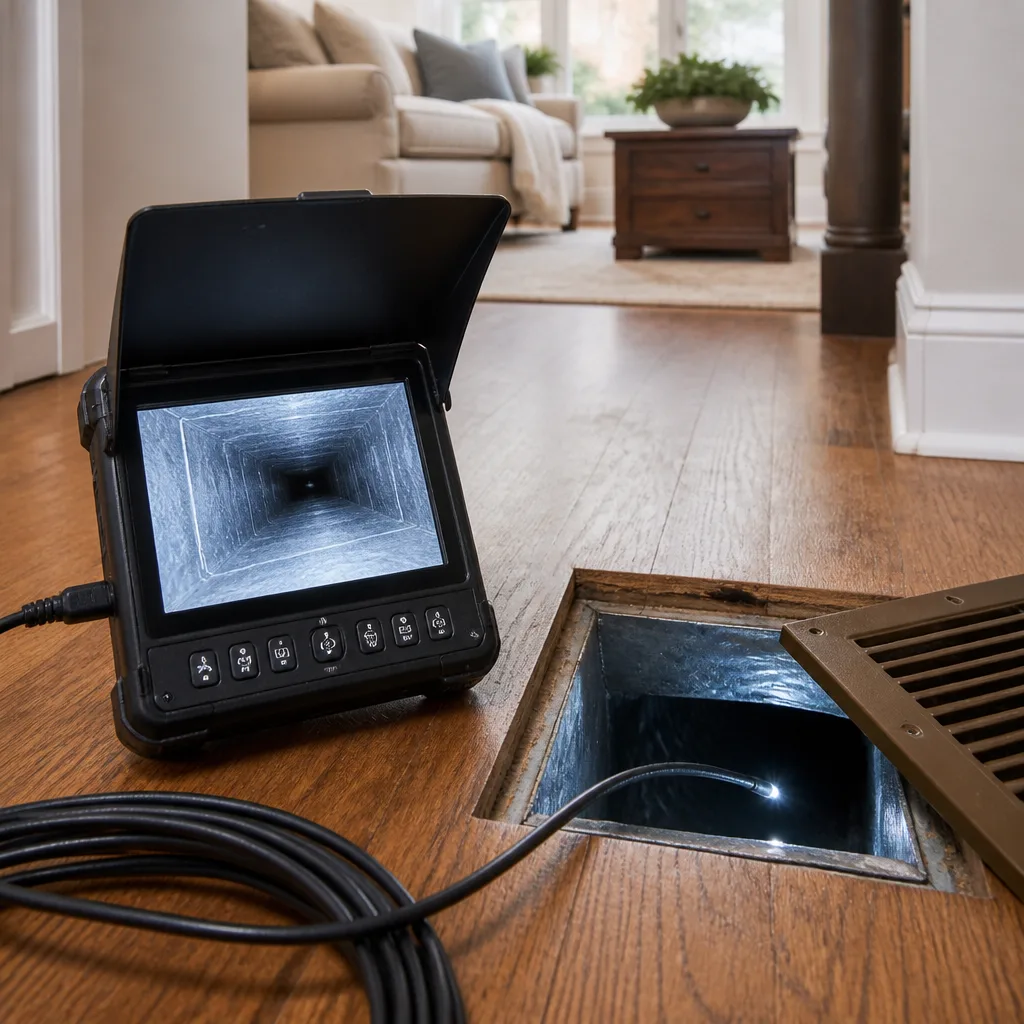 Camera inspection
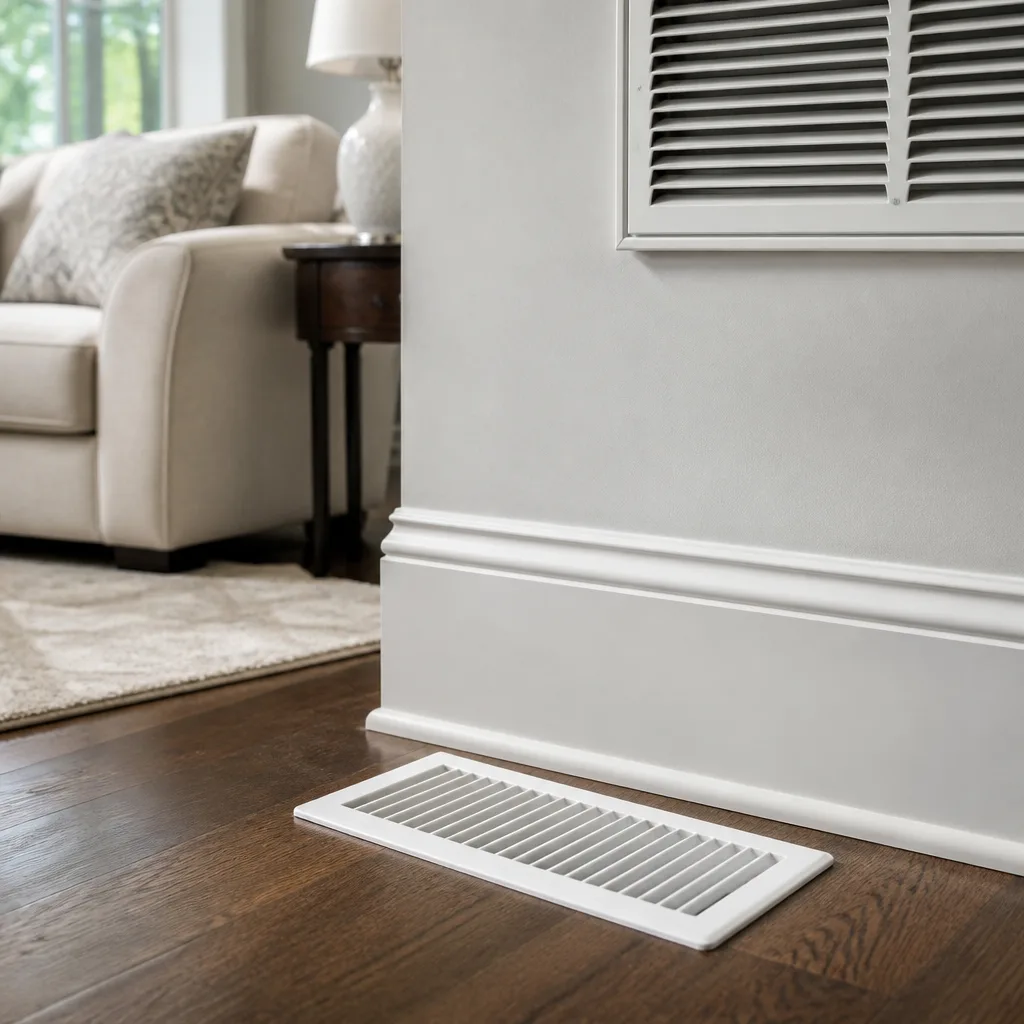 Sanitizing & deodorizing
Whole-system duct and dryer vent check with before-and-after photos - you see exactly what came out of your vents
That "$99 whole-house special" is a bait ad - the real number appears once they are in your hallway, or the "clean" is a shop-vac at the register. We photograph the inside of your ducts before and after instead.
The Complete Guide to Air Duct Cleaning in Federal Way
Most air duct guides describe a service that doesn’t quite exist here. They assume forced-air systems in dry climates, sheet-metal trunks, and basements that stay sealed and stable. Federal Way doesn’t fit that picture. A significant share of homes across this city went up between 1970 and 1995, when flex duct and fiberglass duct board were standard construction. Those materials trap debris differently than sheet metal, and they demand a different extraction approach entirely. Add the wet Pacific Northwest climate and the crawlspace-heavy construction common across King County, and you get a set of variables that generic advice never addresses. This guide maps what Federal Way homes actually face, so you can tell a real cleaning from a surface pass.
Quick Answer
Air duct cleaning in Federal Way means removing accumulated debris from the entire air pathway, not just vacuuming the registers you can see. A proper job covers supply runs, return runs, plenums, the coil housing, and the dryer vent as one connected system. The wet local climate raises the risk of biological growth inside ducts, so inspection and, when needed, sanitizing matter as much as the cleaning itself.
Styles & brands we work with
- Whole-home duct cleaning
- Dryer vent cleaning
- Camera inspection
- Sanitizing & deodorizing
Table of Contents
- Why Federal Way’s Wet Climate Changes the Math
- Duct Board and Flex Duct: Why Inspection Comes First
- Source Removal vs. Contact Vacuum: What’s the Difference?
- What a Full-System Scope Actually Covers
- Your Dryer Vent: A Fire Risk That Lives Beside Your Ducts
- How to Read a Post-Cleaning Verification
- What Does Air Duct Cleaning Cost in Federal Way?
- How Often Does It Really Need Doing?
Why Federal Way’s Wet Climate Changes the Math
Federal Way sits in a climate that keeps moisture in the air for much of the year, and that has a direct effect on what happens inside your ductwork. Ducts don’t stay perfectly dry. Condensation forms on cool surfaces, especially where flex duct runs through crawlspaces and unconditioned spaces. When dust and organic debris sit in that damp environment, the conditions favor mold and microbial growth in a way that drier regions simply don’t experience.
That’s why we treat sanitizing as part of the job rather than an upsell. Cleaning removes the food source, but if moisture returns to a surface that was never treated, growth can come back. Post-cleaning antimicrobial treatment with Guardsman-grade products targets the surfaces the debris left behind. For homes where filtration is part of the concern, air quality treatments built around Honeywell and Aprilaire products address the system side of the equation. The point isn’t to sell you a treatment. It’s that in Federal Way, humidity makes the difference between a cleaning that holds and one that doesn’t.
There’s a construction factor too. King County homes frequently have crawlspaces, and duct runs through a crawlspace are exposed to ground moisture that a sealed interior chase never sees. If those runs have gaps or poorly sealed joints, the system pulls damp crawlspace air straight into your living space. That’s a duct repair problem, not a cleaning problem, and it’s one reason we look at sealing alongside cleaning.
Duct Board and Flex Duct: Why Inspection Comes First
Flex duct and fiberglass duct board are common in Federal Way homes built during the 1970s, 1980s, and early 1990s, and both materials require care that sheet metal doesn’t. Flex duct has an inner liner that can tear if it’s brushed too aggressively or run with the wrong tool pressure. Duct board has a fibrous interior surface that traps debris in ways smooth metal never does, and the board itself can crumble if it’s handled roughly or if moisture has already degraded it.
That’s why a proper job starts with inspection, not with a vacuum. Before any cleaning begins, the system should be assessed for:
- The condition of flex duct liners, including any existing tears or separated sections
- Moisture damage or soft spots in fiberglass duct board
- Loose, disconnected, or improperly joined duct sections
- Visible biological growth, which changes the cleaning and treatment plan
- Access points, since a system without adequate access can’t be cleaned thoroughly
If a liner is already failing, aggressive cleaning makes it worse. A technician who skips inspection and goes straight to brushing can turn a repairable duct into a replacement. In our experience, that’s one of the clearest ways to tell a professional operation from a coupon crew. The right approach identifies damage first, then cleans with tools calibrated to the material, and repairs what needs repairing. Duct repair and sealing is a service line for exactly this reason: the cleaning only holds if the ductwork itself is sound.
Source Removal vs. Contact Vacuum: What’s the Difference?
Two cleaning methods dominate the market, and the gap between them explains most of the price variation you’ll see in Federal Way. Source removal is the industry standard. It combines a powerful vacuum with agitation tools that physically loosen debris from duct surfaces so it can be captured and removed from the system. Contact vacuuming is a lighter approach: a vacuum head is run across accessible surfaces, lifting what’s loose without agitating what’s stuck.
The difference matters because most of the debris in a duct system isn’t sitting loose on the floor of the run. It’s adhered to the walls, packed into corners, and bonded to the fibrous surface of duct board. A contact vacuum passes over it. Source removal breaks it free.
- Containment setup. The work area is protected and negative pressure is established so debris doesn’t migrate into living spaces.
- Vacuum connection. A high-powered vacuum, often truck-mounted or a commercial-grade portable unit, connects to the system to pull debris out as it’s loosened.
- Agitation. Rotary brushes and air whips travel the length of each run, scrubbing debris from the walls.
- Collection and removal. Loosened material travels to the vacuum and leaves the system entirely.
- Verification. The system is checked and documented before the job closes out.
We use Rotobrush and Nikro systems for this work. They’re purpose-built professional duct-cleaning equipment, the same class of tools used in commercial applications, and Abatement Technologies equipment supports the containment and negative-pressure side of the job. Professional-grade equipment, residential pricing. That’s the standard the work should meet, and it’s why a source-removal job costs more than a contact-vacuum pass. You’re paying for the tools and the time to do it right.
What a Full-System Scope Actually Covers
Air duct cleaning isn’t a single component. It’s a pathway, and the pathway runs from the return vent all the way to the register. Cleaning part of it and calling the job done is like washing half a window. Here’s what a complete scope includes:
- Supply runs. Every branch that delivers conditioned air to a room, from the trunk to the register boot.
- Return runs. The paths that pull air back to the system, which often carry the heaviest debris load.
- Plenums. The supply and return boxes at the air handler, which collect dust and can harbor growth.
- Coil housing. The area around the evaporator coil, where moisture and dust combine into a mat that restricts airflow.
- Registers and grilles. Removed and cleaned, not just wiped on the face.
- The dryer vent. A separate system that shares a wall with your ductwork and has its own safety profile.
That last item is where a lot of companies stop short. Dryer vent cleaning is a dedicated service at Federal Way Air Duct Cleaning Pros, not an add-on tacked onto the invoice. Lint accumulates in a dryer vent the same way debris accumulates in a duct, and a blocked vent is a fire hazard waiting to be cleared. If your vents are cleaned as part of the same visit, you get one coherent picture of your home’s air pathway instead of two disconnected assessments. HVAC cleaning is the third leg of that scope, covering the air handler and coil components that the ducts connect to.
Your Dryer Vent: A Fire Risk That Lives Beside Your Ducts
Most homeowners think about duct cleaning and dryer vent cleaning as unrelated chores. They’re not. Both are exhaust pathways with accumulated debris, and both restrict airflow when they clog. The difference is the consequence. A clogged dryer vent traps heat, and lint is highly combustible. Dryer vent blockages are a leading cause of residential fires, and the problem builds quietly over months of normal laundry.
The warning signs are worth knowing:
- Clothes take longer than they used to reach full dryness
- The dryer exterior feels hot to the touch during a cycle
- A burning or musty smell near the dryer
- Lint visible around the vent connection or outside the exterior hood
- The exterior vent flap doesn’t open fully during a cycle
If any of those sound familiar, the vent needs to be cleared. It’s a straightforward job with the right equipment, and it’s one we treat as its own service line rather than a $29 add-on. When we’re already in your home for ductwork, we can assess the dryer vent in the same visit and give you a clear read on both. For homes in Federal Way with long vent runs or vents that terminate on a roof, it’s worth having it checked rather than assuming.
How to Read a Post-Cleaning Verification
The question every homeowner asks after a duct cleaning is: how do I know they actually did it? It’s a fair question in a trade with a reputation for shortcuts. The answer is documentation. A professional job produces evidence, and it’s worth knowing what that evidence looks like before you book.
Before-and-after photos of your own ducts are the most direct proof. A camera inserted into the runs before cleaning should show the debris load, and the same view after cleaning should show a clean surface. Ask to see both sets. If a company can’t produce them, that tells you something.
- Pre-cleaning photos of accessible duct interiors, showing what’s actually in the system.
- Post-cleaning photos of the same locations, taken from the same angle.
- A written summary of what was cleaned: which runs, the plenums, the coil housing, the registers.
- Notes on findings, including any damaged flex duct, moisture issues, or gaps discovered during the work.
- Any treatment applied, whether sanitizing was performed and on what surfaces.
That last point matters in Federal Way specifically. Given the local humidity, a cleaning without any treatment plan may not hold. A verification that names the treatment and the surfaces it covered is more useful than one that just says “sanitized.” The written record is what separates a documented job from a vague promise.
What Does Air Duct Cleaning Cost in Federal Way?
Air duct cleaning costs vary with system size, material, and condition, and anyone quoting a fixed number over the phone without seeing the system is guessing. That said, whole-system pricing for a typical Federal Way home generally falls into recognizable ranges depending on scope. The written estimate sets the final price, and it should be agreed before work starts.
- Standard whole-home duct cleaning (vents, returns, plenums, registers): typically $350 to $700
- Duct cleaning plus sanitizing treatment: typically $500 to $950
- Dryer vent cleaning as a standalone service: typically $120 to $250
- HVAC coil and air handler cleaning: typically $250 to $550
- Duct repair and sealing (per section, depending on access and material): varies with the scope of the repair
Those ranges are estimates for planning, not quotes. What drives the number up or down is system size, how many runs the home has, whether duct board and flex duct require careful handling, and whether repairs are needed. What should not drive it is how much the company can upsell once the technician is on site. One flat price per system, agreed in advance, no per-vent pricing, and before-and-after photos of your own ducts. That’s the standard. If you want an exact figure for your home, we offer free estimates in Federal Way. Call (833) 482-5931 to schedule one.
A note on cheap quotes: when a quote is dramatically lower than the ranges above, ask what method it uses. A contact-vacuum pass over the registers is cheaper because it’s a different service. The price gap isn’t a discount. It’s a different job.
How Often Does It Really Need Doing
The honest answer is that it depends on your home, your system, and what’s in the air. There’s no universal interval that fits every Federal Way house. But there are conditions that make more frequent cleaning worth considering:
- Recent remodeling or construction that generated fine dust
- Pets, especially those that shed
- Household members with allergies or respiratory sensitivity
- A system with duct board or flex duct, which traps debris more readily than sheet metal
- Visible dust blowing from registers shortly after a filter change
- Musty or stale odors when the system runs
For a home with none of those factors, many households go several years between cleanings. For a household with allergies, pets, and older duct board, a shorter interval makes more sense. The wet climate nudges toward inspection even when cleaning isn’t immediately due, because moisture issues and biological growth are easier to address early. Rather than guess, have the system assessed and set an interval based on what’s actually there. If you’ve noticed the signs and want an honest read, our air duct cleaning service in Federal Way is the place to start.
Common Mistakes to Avoid
- Trusting a per-vent price. There’s no meaningful reason to quote duct cleaning by the vent. Your plenums, coil housing, and system size are what drive the work. A per-vent number is a marketing hook, and it rarely holds once the technician is inside.
- Skipping inspection on older ductwork. Flex duct and duct board are common in homes built between 1970 and 1995, and they can’t be cleaned safely without an assessment first. Aggressive cleaning on a failing liner turns a fixable duct into a replacement.
- Ignoring the dryer vent. It’s a separate safety system, and a clogged vent is a fire risk. If a company offers to clean it as a $29 add-on, ask what equipment they’ll use and whether they’ll inspect the full run.
- Choosing contact vacuuming over source removal. It’s cheaper, and it leaves most of the debris in place. Ask specifically what method a company uses and whether it includes agitation tools.
- Forgetting to ask for documentation. Before-and-after photos of your own ducts and a written summary of the work are the proof a job was done. A company that can’t provide them is a gamble.
- Assuming clean ducts fix a moisture problem. In Federal Way’s wet climate, growth can return if the surface isn’t treated and any moisture source isn’t addressed. Cleaning without a treatment plan or a look at duct sealing is incomplete.
- Overlooking gaps and leaks. A system with unsealed joints pulls air from crawlspaces and attics. Cleaning that system without repairing the leaks leaves the root cause in place.
See the difference
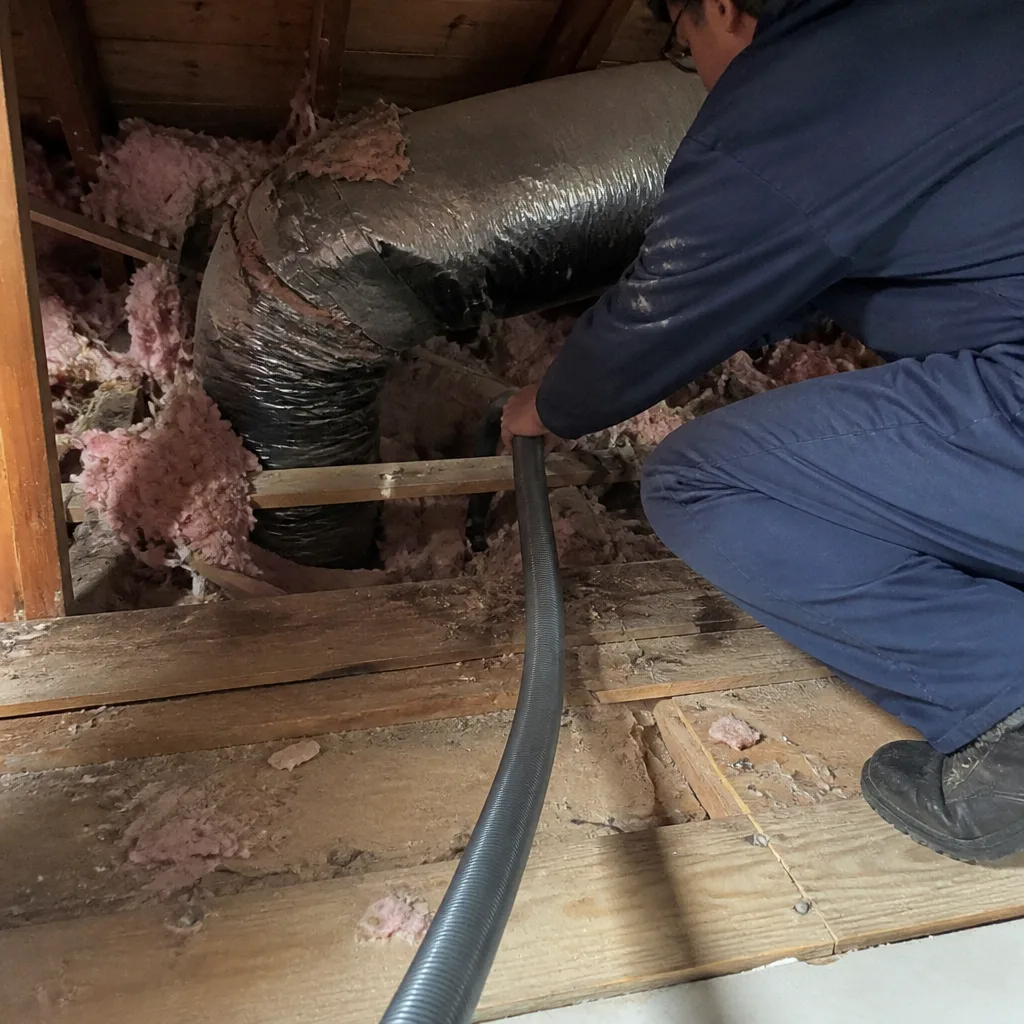 Before
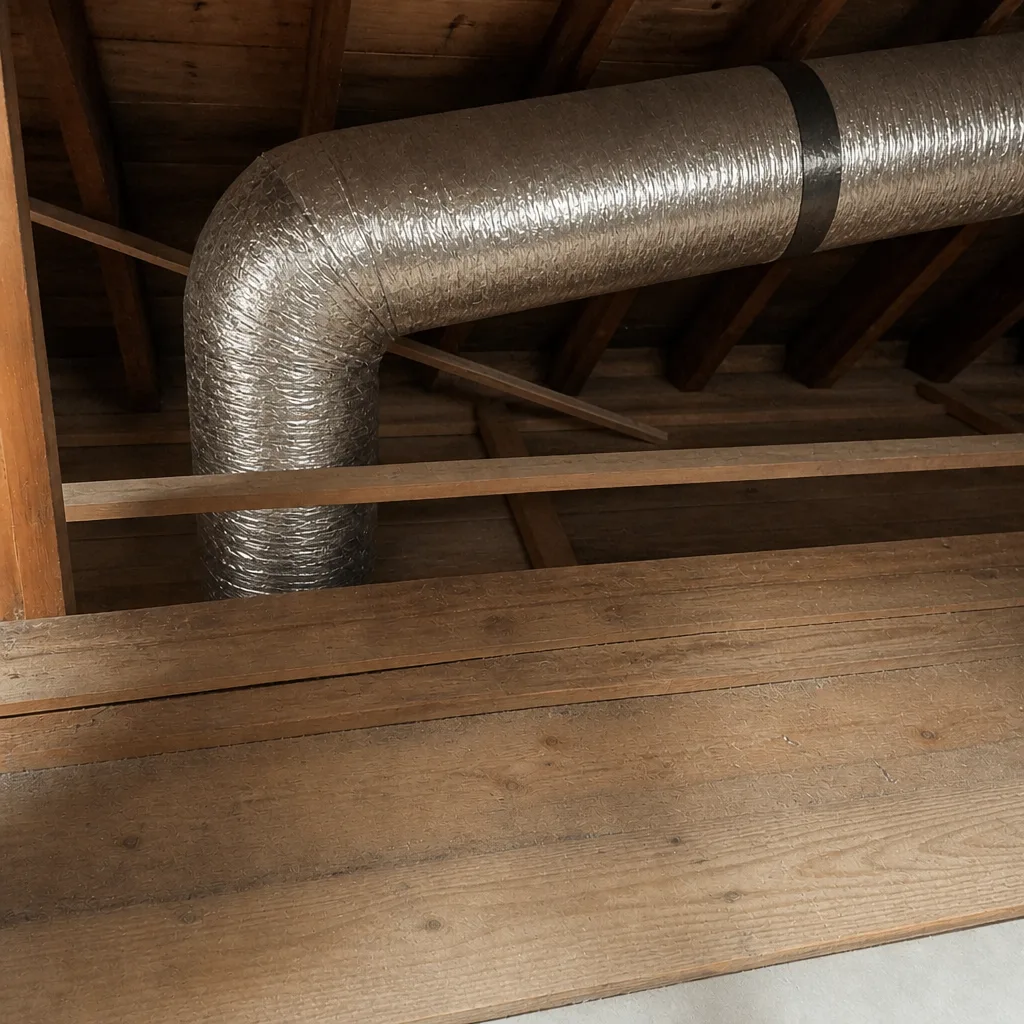 After
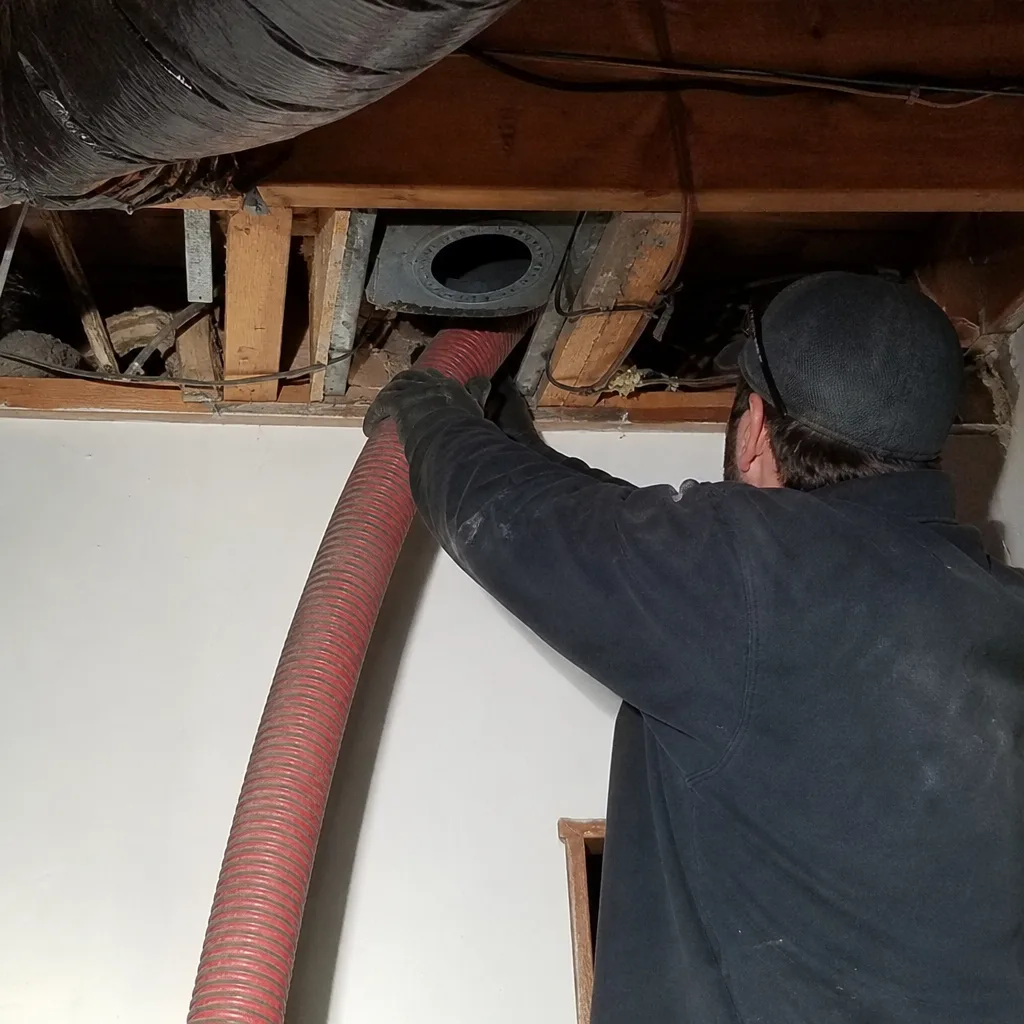 Before
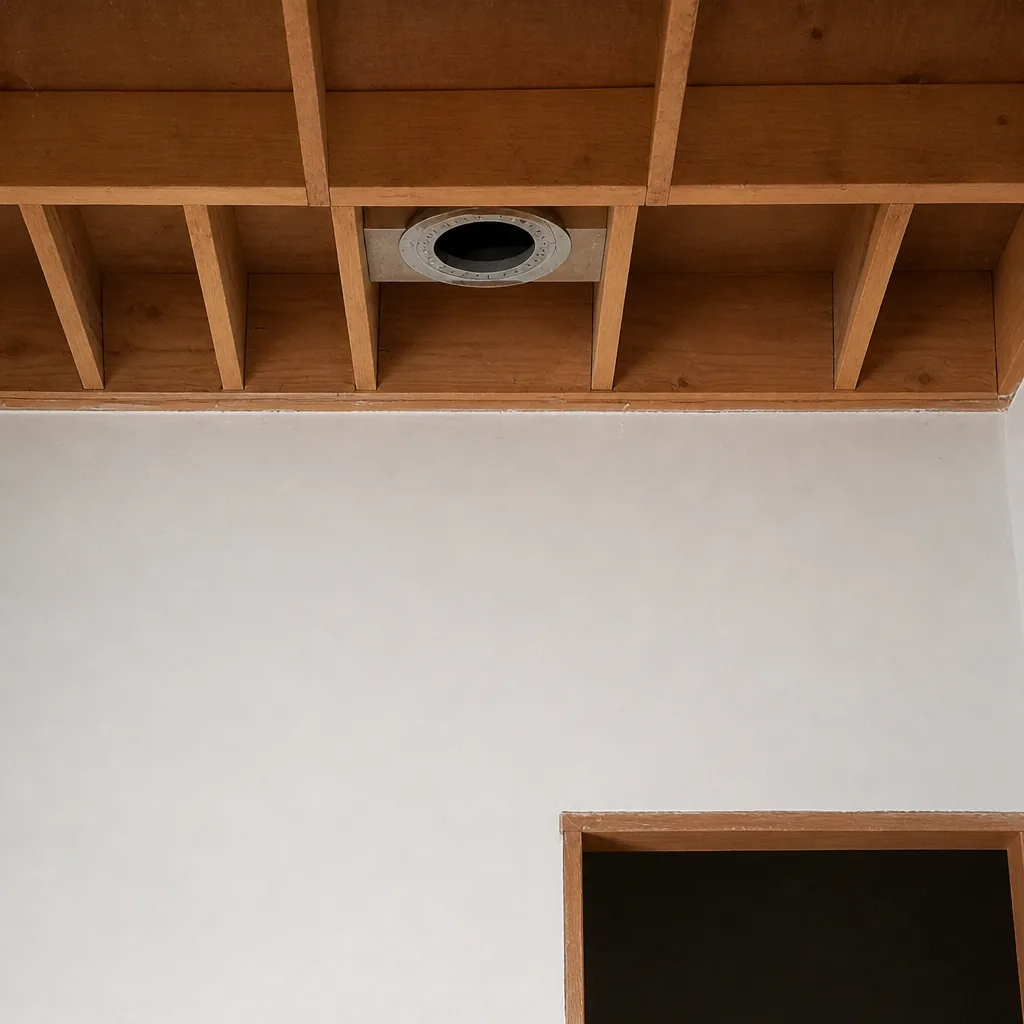 After
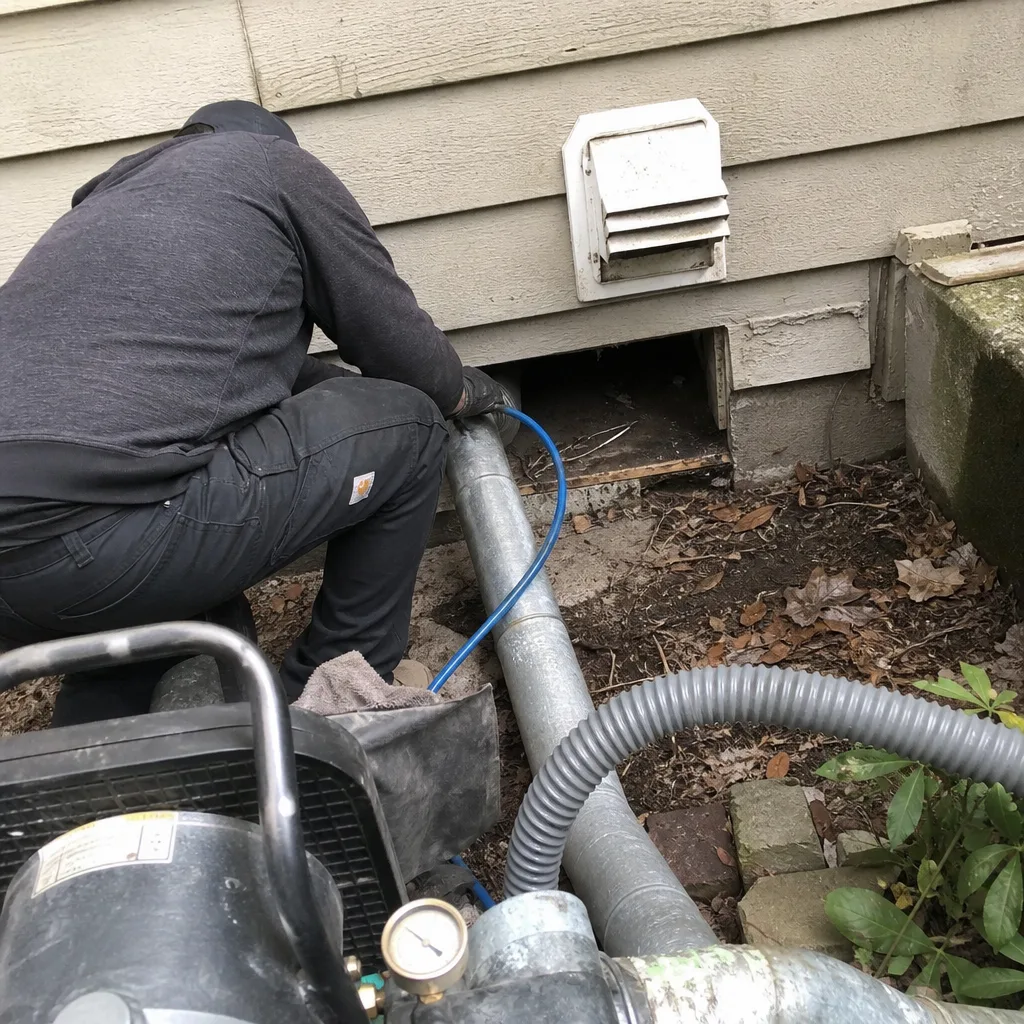 Before
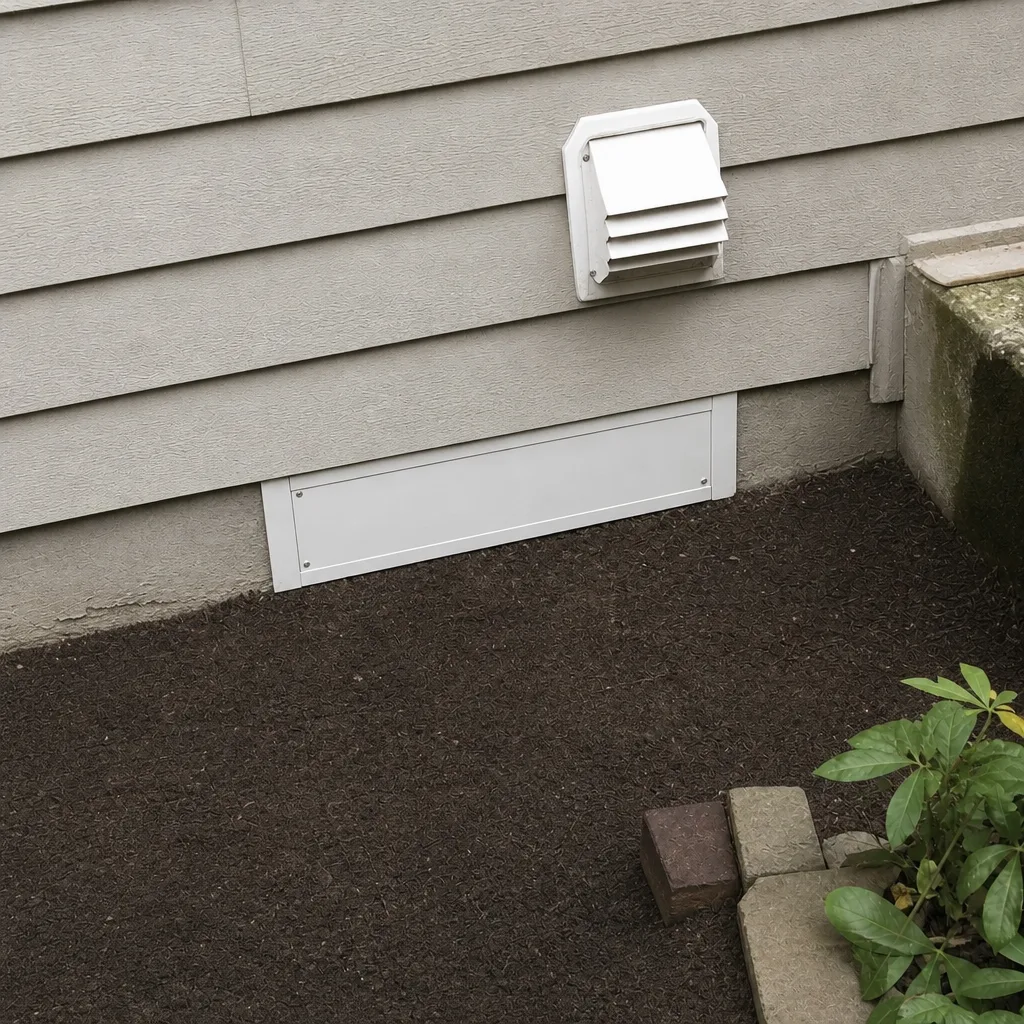 After
When to Call a Professional
Some signs point clearly to a professional assessment. Musty odors every time the system kicks on suggest moisture or growth inside the ducts. Visible dust puffing from registers shortly after you’ve changed the filter hints at a debris load the filter can’t reach. A dryer that takes two cycles to dry a load, or an exterior vent flap that barely opens, points to a blocked dryer vent. Allergy symptoms that flare indoors and ease when you leave the house are worth investigating. And a system with known flex duct or duct board damage should be looked at before any cleaning. Federal Way Air Duct Cleaning Pros offers free estimates in Federal Way. Call (833) 482-5931. We answer 24/7. Fast dispatch from 7am to 7pm, Sunday through Friday.
Frequently Asked Questions
Whole-home air duct cleaning in Federal Way typically runs from about $350 to $700, with sanitizing adding to that range and dryer vent cleaning running around $120 to $250 as a standalone service. The final figure depends on system size, materials, and whether repairs are needed. Call (833) 482-5931 for an exact quote. Estimates are free.
Cheap quotes usually reflect a different method. Contact vacuuming over accessible surfaces costs less than source removal because it doesn’t agitate debris from the duct walls, and a per-vent price is often a hook that grows once the technician is inside. Ask what method is used and whether agitation tools and containment are part of the job. Call (833) 482-5931 if you’d like a straightforward estimate.
You should receive before-and-after photos of your own ducts, taken from the same angles, plus a written summary of what was cleaned and any treatment applied. Ask to see both sets of photos. A written record separates a documented job from a vague promise. Call (833) 482-5931 to book a visit.
There’s no fixed interval that fits every home. Households with pets, allergies, recent remodeling, or older duct board and flex duct tend to need it more often than a home with none of those factors. Given the wet local climate, an inspection is worth doing even when cleaning isn’t due. Call (833) 482-5931 for a free assessment.
Yes. Ducts, HVAC components, and the dryer vent are part of the same air pathway, and addressing them together gives you one coherent picture of your home’s system instead of two separate appointments. We use Rotobrush and Nikro equipment for ductwork and dedicated tools for dryer vent runs. Call (833) 482-5931 to schedule.
Most cities require a permit for significant HVAC modifications, so it’s always worth asking your city’s building department before work begins. Minor sealing and cleaning typically don’t require one, but the rules vary by scope. Call (833) 482-5931 and we can walk through what your project likely involves.
The Bottom Line
Air duct cleaning in Federal Way isn’t a generic service, and the homes here make that clear. The mix of flex duct and duct board from the 1970s through the 1990s, the crawlspace construction common across King County, and the wet climate that raises biological growth risk all mean inspection, method, and treatment matter more here than a coupon price. Source removal with professional equipment, a full-system scope that includes the dryer vent, documentation you can actually read, and one flat price agreed before work starts. That’s what a real cleaning looks like. Everything else is a surface pass with a nicer name.
Federal Way Air Duct Cleaning Pros provides the full air pathway service across Federal Way: air duct cleaning, dryer vent cleaning, HVAC cleaning, duct repair and sealing, and air quality sanitizing. If you’ve noticed the signs, get a straight answer instead of a sales pitch. Call (833) 482-5931 for a free estimate. We answer 24/7. Fast dispatch from 7am to 7pm, Sunday through Friday.
Written by the team at Federal Way Air Duct Cleaning Pros.