
Last updated November 25, 2026
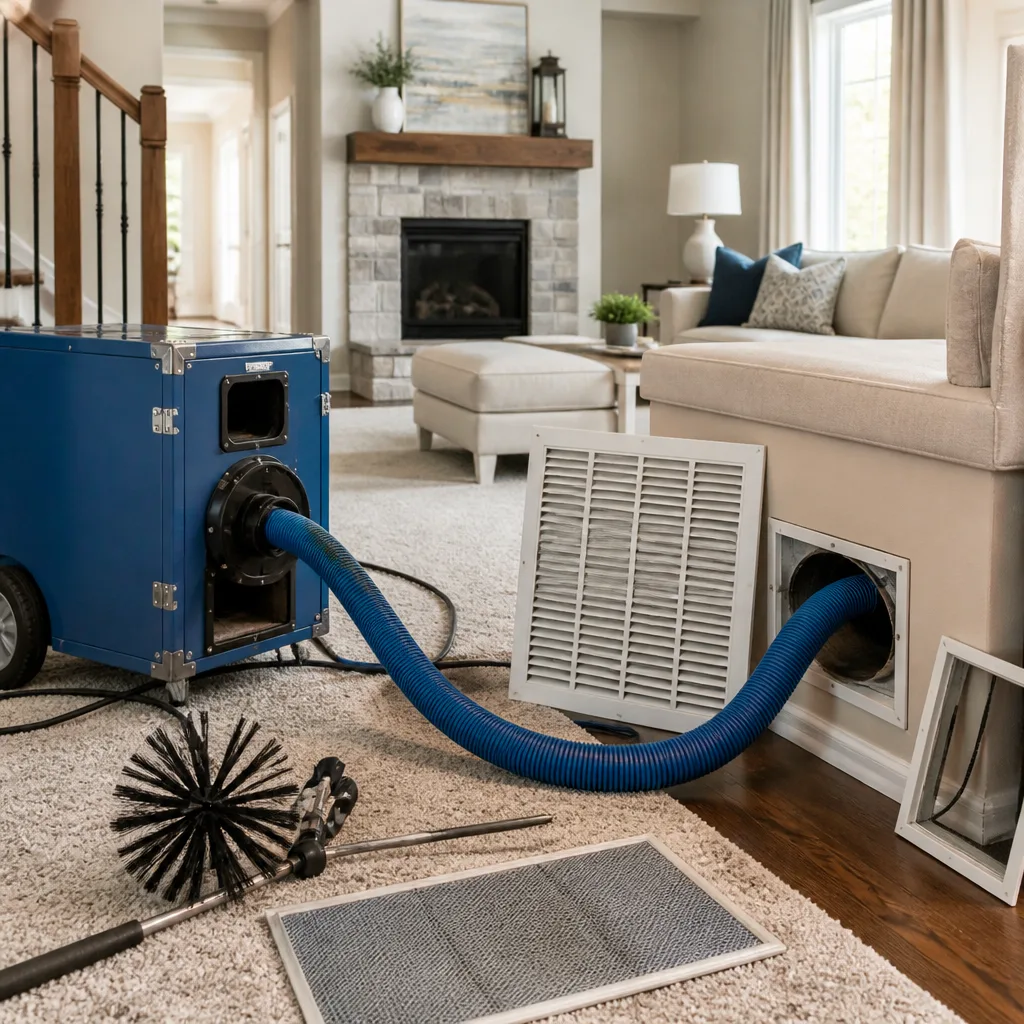 Whole-home duct cleaning
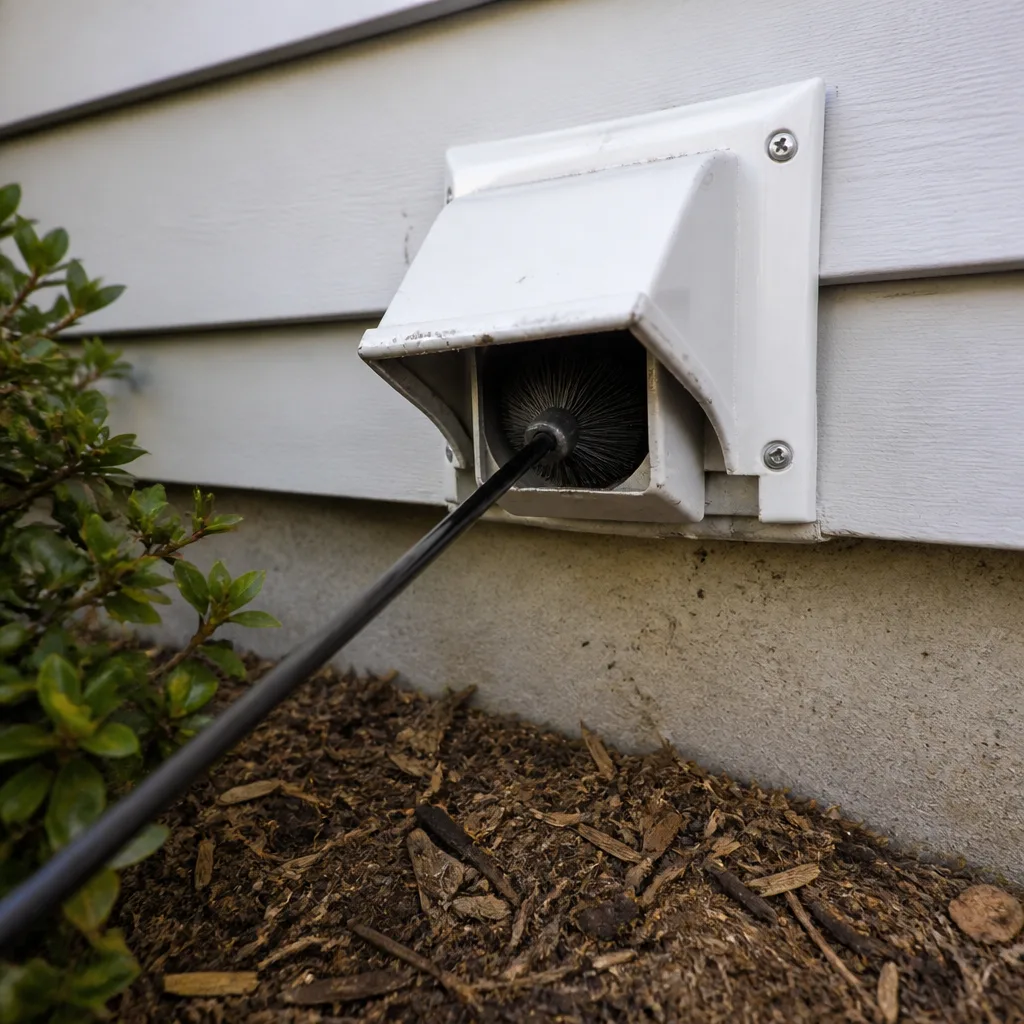 Dryer vent cleaning
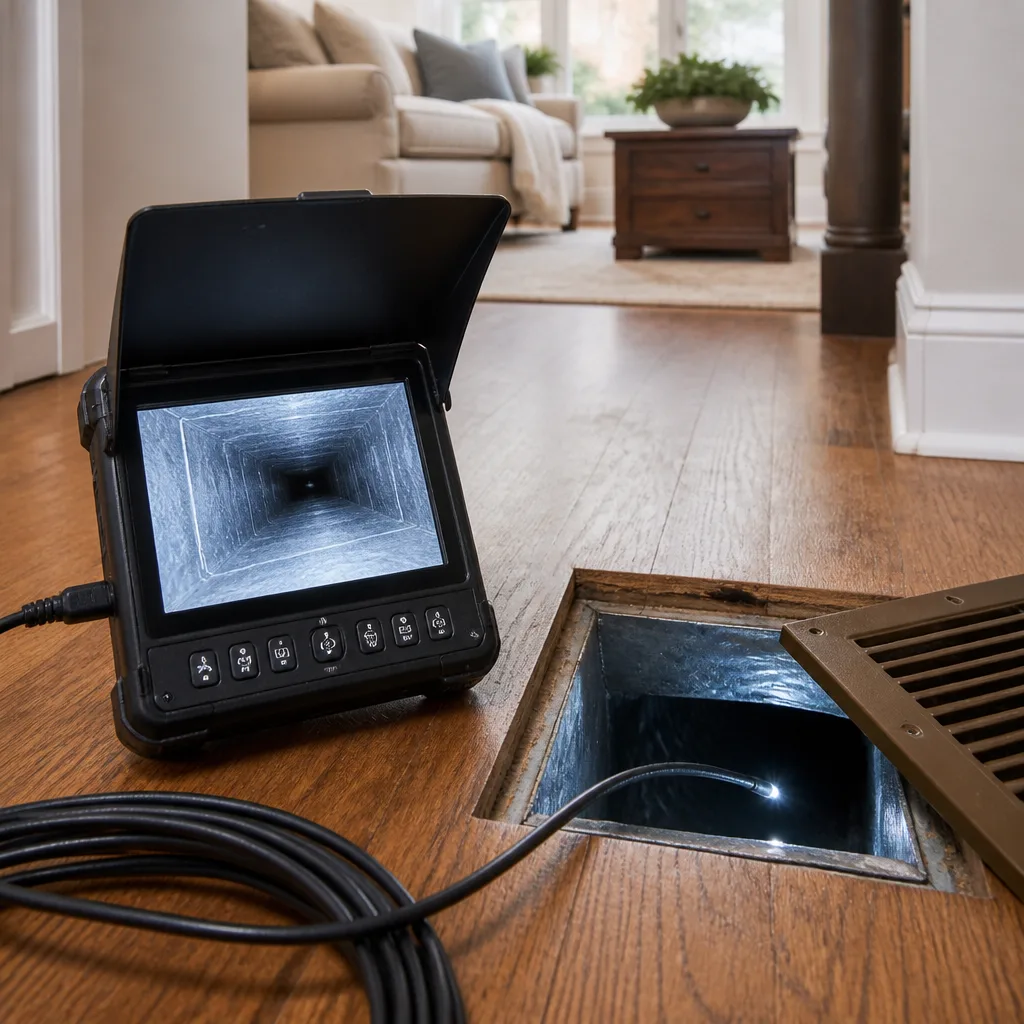 Camera inspection
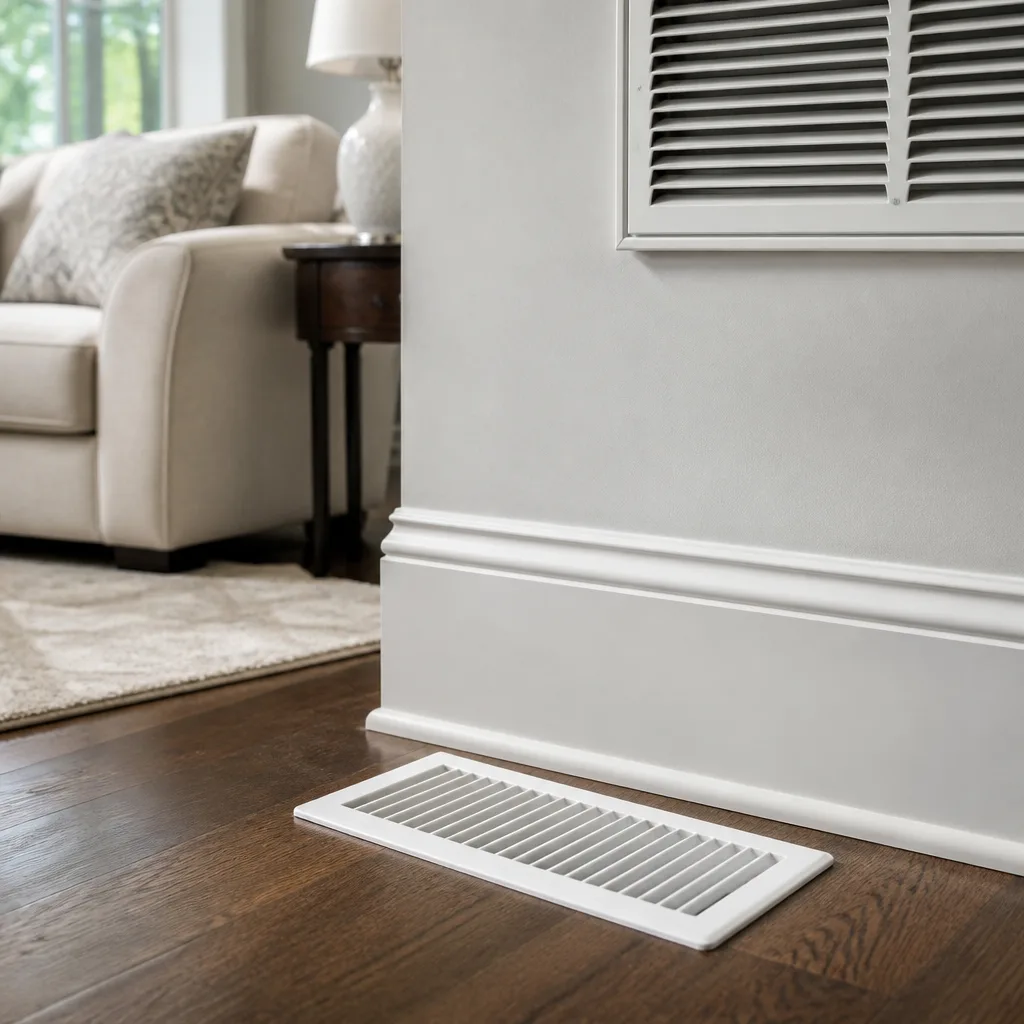 Sanitizing & deodorizing
Whole-system duct and dryer vent check with before-and-after photos - you see exactly what came out of your vents
That "$99 whole-house special" is a bait ad - the real number appears once they are in your hallway, or the "clean" is a shop-vac at the register. We photograph the inside of your ducts before and after instead.
Seasonal Air Duct Cleaning Care for Federal Way: Year-Round Homeowner’s Guide
Most homeowners in Federal Way treat air duct cleaning as a once-every-few-years chore, usually triggered by a musty smell or a visible dust line on the ceiling. That calendar is the wrong one. Ducts here don’t get dirty at a steady rate – they take on different contaminants during specific seasons, and the season that ends is often when the damage from it settles in for good. Late-summer wildfire smoke pushed through a running HVAC system doesn’t leave when the smoke clears; fine particulate drops out of the airstream and lines the duct walls, waiting to re-enter the air you breathe each time the system cycles. This guide walks you through what each season does to your system in Federal Way, what to inspect, and how to time professional work around the real risk peaks.
Quick Answer
Seasonal air duct care in Federal Way means matching service to the system’s contamination cycle rather than picking an arbitrary date: inspect after the heating season in spring, address smoke infiltration and cooling-coil moisture in summer, clear exterior intakes and prep the system in fall, and watch for condensation-related mold risk in under-insulated winter ducts. Most homes do well with a full-system cleaning and inspection once yearly, timed just before the heating season, plus targeted checks when a season’s specific insult lands. The rest of this guide explains what each season actually does and what to do about it.
Styles & brands we work with
- Whole-home duct cleaning
- Dryer vent cleaning
- Camera inspection
- Sanitizing & deodorizing
Table of Contents
- Why seasonal timing matters in Federal Way
- Spring: the post-heating inspection
- Summer: wildfire smoke and cooling-coil moisture
- Fall: exterior intakes and system prep
- Winter: condensation, mold risk, and crawlspace ducts
- How to sync service timing with risk peaks
- Common mistakes to avoid
- When to call a professional
Why seasonal timing matters in Federal Way
A duct system in Federal Way runs on a rhythm the homeowner never sees. During heating season, the system pulls warm, moisture-laden air from the house, pushes it through duct runs that often pass through unheated crawlspaces and attics, and returns it cooled. Every cycle deposits a thin film of whatever was suspended in that air – dust, combustion byproducts that slipped past a filter, humidifier scale, smoke particulate. During cooling season, the same ducts carry cool, dehumidified air, and the difference in temperature across the duct wall turns into condensate on poorly insulated sections.
The point is that your ducts aren’t a static filter. They’re a moving boundary between the air in your house and the outside air Federal Way hands you each season. When that boundary is clean and sealed, the system performs; when it isn’t, every season adds another layer.
A seasonal framework works for a few practical reasons:
- Contamination in Federal Way arrives in discrete events – a smoke episode, a long heating run, a wet winter – not in steady annual increments.
- Professional cleaning done just before a heavy-use season lasts longer than cleaning done in the middle of one.
- Some problems (like condensation-driven mold) only show up in a specific season, so an inspection outside that window misses them.
- Sealing and repair usually make more sense right before the system gets pressed into heavy service, not after.
Where this guide lands: think of duct care as four small seasonal checks that feed into one thorough professional cleaning a year, timed to the changeover into heating season. That’s the structure that fits Federal Way’s climate and housing stock – the neighborhood detail matters here. Homes in Twin Lakes and along the Redondo shoreline sit lower and hold more winter moisture than homes up the hill toward Panther Lake or down along the Federal Way corridor near The Commons. Crawlspace duct runs in the older ramblers west of Pacific Highway see more winter condensation than a newer build with a conditioned crawl or a sealed attic. Whichever category your home falls into, the seasonal map below applies – with the emphasis shifting a little.
Spring: the post-heating inspection
Spring is the season most homeowners skip, and it’s the one that catches problems before they compound. After four or five months of near-continuous heating, the duct system has been through its heaviest cycle of the year. What’s inside it now reflects every filter that bypassed, every humidifier pad that scaled up, every burner that didn’t quite burn clean.
What to check in spring
- Look at the return vent grilles. A visible gray or brown film on the grille after heating season is a sign particulate is moving through the return side. If it’s heavy, the whole return plenum is likely coated the same way.
- Check the filter fit. A filter that gaps at the edges lets unfiltered air bypass into the system. That’s called bypass contamination, and it’s more common than most homeowners realize – a filter is only as good as the seal around it. Pull the filter, look at the frame, and see whether the gap between filter edge and slot is more than a hairline.
- Inspect the humidifier. If your home has a whole-house humidifier, scaling on the pad and mineral buildup in the water line are normal after a season. Scale that flakes off gets pulled into the airstream; scale that cakes onto the evaporator or heat exchanger reduces performance.
- Listen for combustion byproducts. A furnace that’s vented or sealed correctly won’t leave combustion residue in the ducts. If you smell something faintly acrid when the system kicks on, or if a carbon monoxide alarm has ever triggered in the home, get the system inspected by an HVAC technician before you run it again.
- Book a professional inspection if the first four steps turn up anything. A proper inspection with a camera scope shows what a flashlight at the grille can’t – the run inside the wall, the trunk line junction, the elbow you’d never see otherwise.
Why this season, specifically
Spring gives you the window between the last heating day and the first cooling day. The system is idle, the ducts are accessible, and any sealing or repair work you schedule now will be done before summer pushes air through it again. If you wait until summer, a smoky day can hit before the cleaning does. In Federal Way, that window is wider than in most places because the shoulder season here is long – which is one more reason a spring inspection is worth the time.
Spring is also when you find the leaks that matter. Duct joints that separated slightly during heating season, flex duct that sagged in a warm attic, seam tape that dried and lifted – all of those are easier to spot before they’re loaded with fresh summer dust. Duct repair and sealing done in spring sets the system up for the whole year.
Summer: wildfire smoke and cooling-coil moisture
Eastern Washington wildfire smoke events in late summer push fine particulate into Western Washington homes through HVAC systems drawing outdoor air. When the smoke clears, the particle load doesn’t. Fine PM2.5 – small enough to stay suspended for hours and settle deep into the duct lining – deposits on the interior surfaces of the supply runs, the return plenum, and the cooling coil. Every cycle of the fan after that stirs some of it back into the air you’re breathing.
The reason summer is the riskiest season in Federal Way homes is that the system is running in cooling mode during exactly those smoke events, which means it’s pulling outside air in, passing it over a damp cooling coil, and delivering it to every room. The coil is the other half of the story: cooling coils condensate. In a well-maintained system, the pan drains and the coil dries out between cycles. In a neglected one, the pan holds standing water, the coil stays damp, and that film of dust plus moisture is a growing medium.
The smoke-infiltration protocol
- Set the system to recirculate. During an active smoke event, drawing fresh outside air into the system fills the ducts with particulate fast. Recirculation mode keeps the airstream inside the house.
- Upgrade the filter for the event. A higher-MERV filter catches more fine particulate – but check your filter cabinet and your blower’s rated capacity first. Too-restrictive a filter on an under-rated blower reduces airflow and can freeze the coil.
- Don’t run the system as a ventilation path during a heavy smoke day. If the system is set up to bring in outdoor air on a schedule, override that schedule until the smoke clears.
- Clean after the event, not during it. Cleaning during an active smoke episode just means refilling the ducts with more particulate from outside. Wait for a clear stretch, then book the cleaning.
- Include the cooling coil in the work. A cleaning that skips the coil misses the wettest, most contaminated surface in the whole air pathway.
Coil condensate and outdoor-intake debris
Summer is also when the outdoor intake screens pick up the most debris – pollen, cottonwood fluff, the fine seed-riding dust that blows all summer in Federal Way. A partially blocked intake reduces airflow across the coil, which makes the coil run colder, which makes condensate heavier. The chain is short: dirty intake, colder coil, wetter coil, more biological growth. Checking the intake screens once a month through summer is a five-minute task that pays for itself.
If you’ve been through a smoke event and want to know whether your ducts need more than standard cleaning, an air quality assessment with a camera scope answers it. We use HVAC cleaning to address the coil, blower, and plenum in a single visit rather than cleaning the ducts and leaving the coil for someone else – the two surfaces are part of the same system, and they contaminate together.
Fall: exterior intakes and system prep
Fall is the season to make the system ready for heating, which means it’s the season to fix what summer left behind. The two work items in Federal Way homes are exterior debris and pre-heating prep.
Exterior intake and vent inspection
- Walk the outside of the house and find every vent and intake termination. Fallen leaves, seed pods, and the thin layer of moss that grows on north-facing siding here all collect around them.
- Check that the screens are intact. A missing screen means insects, small rodents, or leaf litter get inside the duct itself – not just on the grille.
- Look at the dryer vent termination. Lint accumulation is highest at the outside flap and is one of the reasons dryer vent cleaning belongs on the fall list, not just the “when I remember” list.
- Check that the intake is at least clear of the ground cover and any shrub that’s grown up around it over summer.
Pre-heating-season prep
Before the system starts running hard, several things should happen at once. The filter should be new or at the end of its rated life, not mid-life and clogged. The ducts should be clean, because whatever is in them on the first heating day is what circulates for the next five months. The humidifier pad should be fresh. Any condensate line from the coil should be clear and draining, since a clogged line in the fall means water backing up into the system on the first really cold day. And the system should be inspected for the leaks and gaps that summer heat and thermal cycling opened up.
That’s why fall is our preferred window for a full-system cleaning in Federal Way. Clean ducts, sealed joints, and a fresh filter going into heating season give you the longest interval before the next cleaning is due, and they give the heating system the least work to do all winter. The right equipment matters for this job – a proper cleaning from the return vent to the register is a different result than a vacuum waved at each grille. Rotobrush and Nikro systems are purpose-built for residential duct cleaning and get into the branch lines and plenum corners a shop vac can’t reach. Abatement Technologies equipment delivers the containment and negative-pressure control commercial contractors expect, so what comes out of the ducts doesn’t end up in your living room air. The air duct cleaning page explains what a full-system visit involves.
Winter: condensation, mold risk, and crawlspace ducts
Winter in Federal Way is the season when the climate itself becomes the problem inside your ducts. The air is cool and often damp outside, and homes here run heating more or less continuously through the season. Where those two conditions meet is at the duct wall – and in a house with under-insulated ducts in a crawlspace, they meet in the worst possible way.
The condensation cycle
Warm, moist air inside a duct meets a cold duct wall in an unheated space. The air cools, and moisture condenses on the inside surface. That moisture cycles with the heating system – condensing when the system pauses, re-evaporating when it runs. Over a winter, that cycle keeps the duct lining damp enough to support biological growth. It also degrades the insulation itself, which makes the next winter worse.
Federal Way’s crawlspaces are prime territory for this. The soil stays damp through winter, many crawlspaces have no vapor barrier or a compromised one, and the ducts were sized for the house, not necessarily for the humidity. A rambler with ducts running the length of a damp crawlspace is a different animal from a newer build with a conditioned crawl or buried ducts.
What to check in winter
- Feel for cold spots on the duct runs where you can access them – if the duct wall is noticeably colder than the air it’s carrying, it’s a candidate for added insulation.
- Look for condensation on the outside of accessible ducts. Exterior condensation is a sign the insulation isn’t keeping the duct wall above dew point.
- Check the crawlspace vapor barrier. A compromised barrier lets soil moisture into the crawlspace air, which the ducts and the house both have to deal with.
- Watch for musty odor when the heat comes on. A musty smell on startup is the single most reliable early signal of biological growth somewhere in the air pathway.
- Don’t run the humidifier hard if the house is already damp. Winter humidity in Federal Way is often higher than homeowners assume; adding moisture to a house that’s already at the dew point is how you end up with growth on duct interiors.
If you find growth or persistent musty odor, the answer isn’t to cover it with a fragrance product. It’s to clean out the biological material and then treat the cleaned surfaces with a post-cleaning antimicrobial product – one formulated for HVAC use. The sanitizing step we use is built around Guardsman-grade products, and whole-home air quality add-ons run through Honeywell and Aprilaire components that work with the existing system rather than fighting it. That sequence – clean, seal, sanitize – is what actually resolves a winter mold issue.
How to sync service timing with risk peaks
Most homeowners schedule duct cleaning on a vague calendar – “once a year, whenever I remember.” The seasonal approach replaces that with a schedule tied to when contamination actually lands and when the system is about to work hardest.
Here’s the sync that works for most Federal Way homes:
- Early fall: full-system cleaning. This is the anchor appointment of the year. Do it before the heating system starts running hard. The system gets clean ducts for its heaviest season.
- Late fall: duct repair and sealing. Anything the cleaning inspection turned up – separated joints, sagging flex, missing tape – gets fixed before the winter moisture cycle can exploit it.
- Spring: inspection. A short camera-scope inspection after heating season catches anything that developed over the winter. No cleaning unless the inspection says so.
- During any summer smoke event: filter upgrade and recirculation. No cleaning during the event.
- Two weeks after the smoke clears: a targeted cleaning if the event was heavy. This is the only season where an off-cycle cleaning may be worth it. A summer cleaning is cheap compared to five months of PM2.5 circulating.
- Yearly, any time: dryer vent inspection. This one isn’t seasonal in the same way – it depends on how much laundry the household does – but it belongs on the annual list regardless.
Homes that may need off-cycle cleaning
- Homes with pets, especially in Federal Way’s older housing stock with shorter duct runs.
- Homes that just had a renovation, which fills ducts with construction dust regardless of season.
- Homes with a recent HVAC replacement or major repair, since the system was open and dust entered.
- Homes that sat vacant for a stretch – moisture accumulates in the ducts while the system is idle.
- Homes where the filter has been chronically undersized or poorly sealed.
The general rule: the annual fall cleaning is the anchor, and everything else is a targeted response to a specific event. That schedule costs less over time than the “clean it every time I notice dust” pattern, and it actually matches what the ducts are dealing with season by season. Federal Way homes have it easier than most on this – the seasons here are defined enough to plan around. That’s true whether the home is on the hill in Panther Lake, near Steel Lake, or one of the neighborhoods closer to the sound.
We’ve seen how differently the seasonal pattern plays out from house to house. The framework is the same, but the emphasis changes with the specific housing stock, the crawlspace condition, and the duct layout. That’s why an inspection that actually looks at your system – the runs, the coil, the plenum, the joints – beats any calendar on this page. The Federal Way Air Duct Cleaning Pros approach is to assess the whole pathway and then recommend only the work that pathway needs.
Common mistakes to avoid
- Cleaning on the same date every year regardless of season. The point of a seasonal approach is that Federal Way’s risk peaks don’t line up with the anniversary of your last cleaning. Anchor the big cleaning to fall and adjust the rest.
- Cleaning during an active smoke event. You’re cleaning the ducts and simultaneously drawing fresh particulate into the house. Wait for the clear stretch.
- Skipping the coil and plenum. A duct cleaning that stops at the branch lines leaves the wettest, most contaminated part of the system – the cooling coil – untouched. That’s where a lot of the problem lives.
- Ignoring exterior intake grilles. Blocked intakes are easy to miss from inside. Walk the outside once a season and clear them.
- Treating heavy mustiness as a fragrance problem. Musty odor on startup means biological growth somewhere in the pathway. It needs to be cleaned and sanitized, not masked.
- Assuming a new high-MERV filter is always better. Too-restrictive a filter on an under-rated blower can freeze the coil or reduce airflow. Match the filter to the system.
- Forgetting the dryer vent. Dryer vent blockages are a leading cause of residential fires, and they build up faster than most homeowners expect. It’s a safety service, not a cleaning add-on.
When to call a professional
Call a professional when the seasonal checks turn up something you can’t resolve from the grille: visible grime inside the return plenum, a musty smell on startup that doesn’t clear, a filter that keeps bypassing despite a new filter, condensation on accessible ducts, or a smoke event heavy enough that you want an assessment before winter. It’s also worth calling if you can’t remember when the system was last cleaned, or if you’ve moved into a home in Federal Way where the previous owner’s maintenance is unknown. A camera-scope inspection answers most of these in a single visit, and it’s the cheapest way to avoid cleaning work the system doesn’t need. Federal Way Air Duct Cleaning Pros offers free estimates in Federal Way – call (833) 482-5931. We use professional-grade equipment from Rotobrush, Nikro, and Abatement Technologies for a complete clean, and if the ducts have leaks or separation, we do the repair and sealing in the same visit rather than sending you elsewhere.
We answer 24/7. Fast dispatch from 7am to 7pm, Sunday through Friday.
See the difference
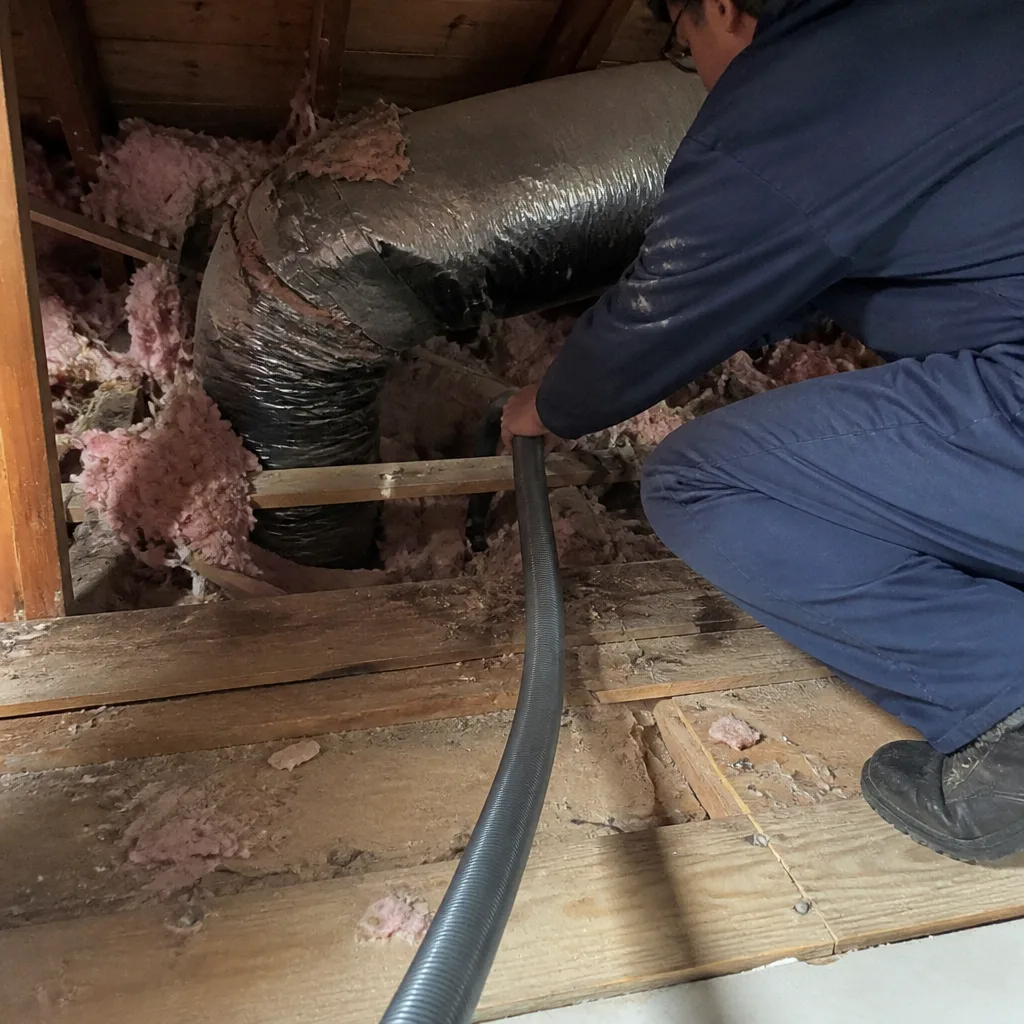 Before
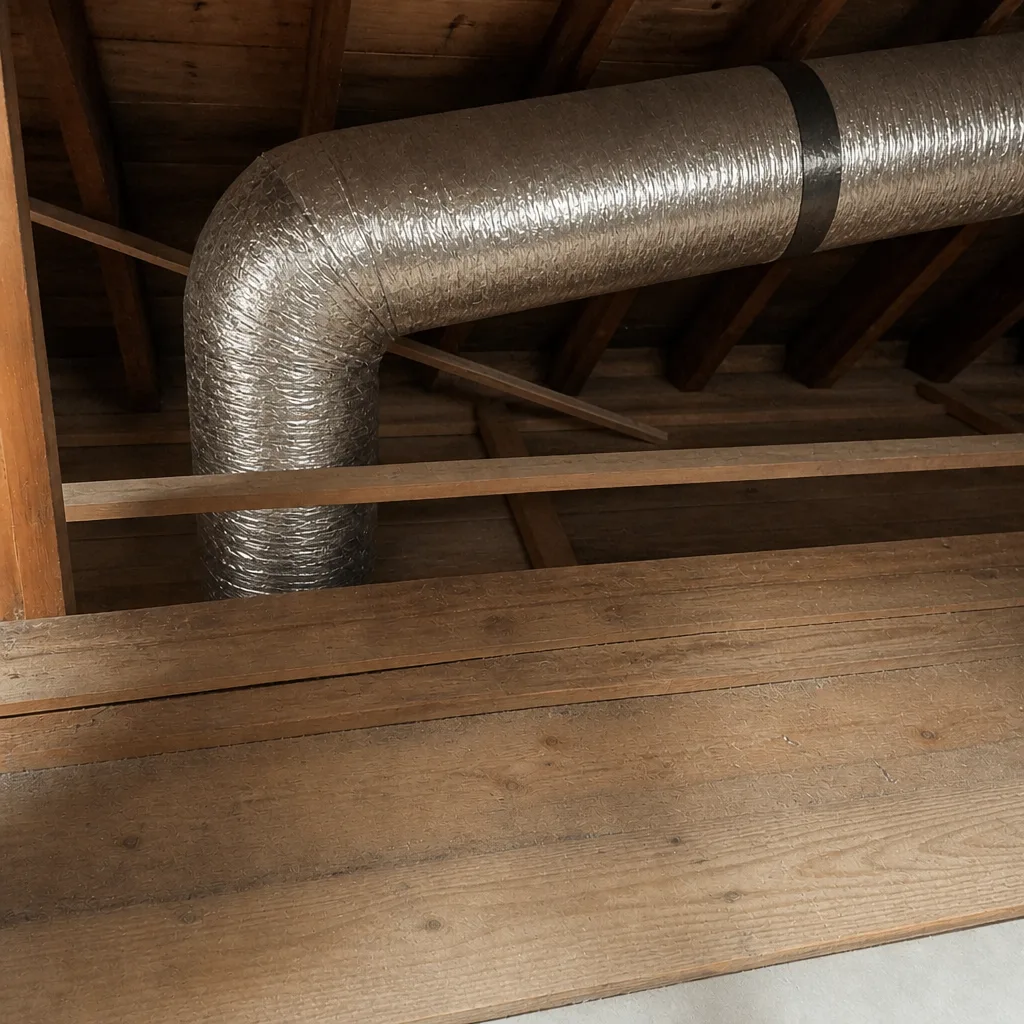 After
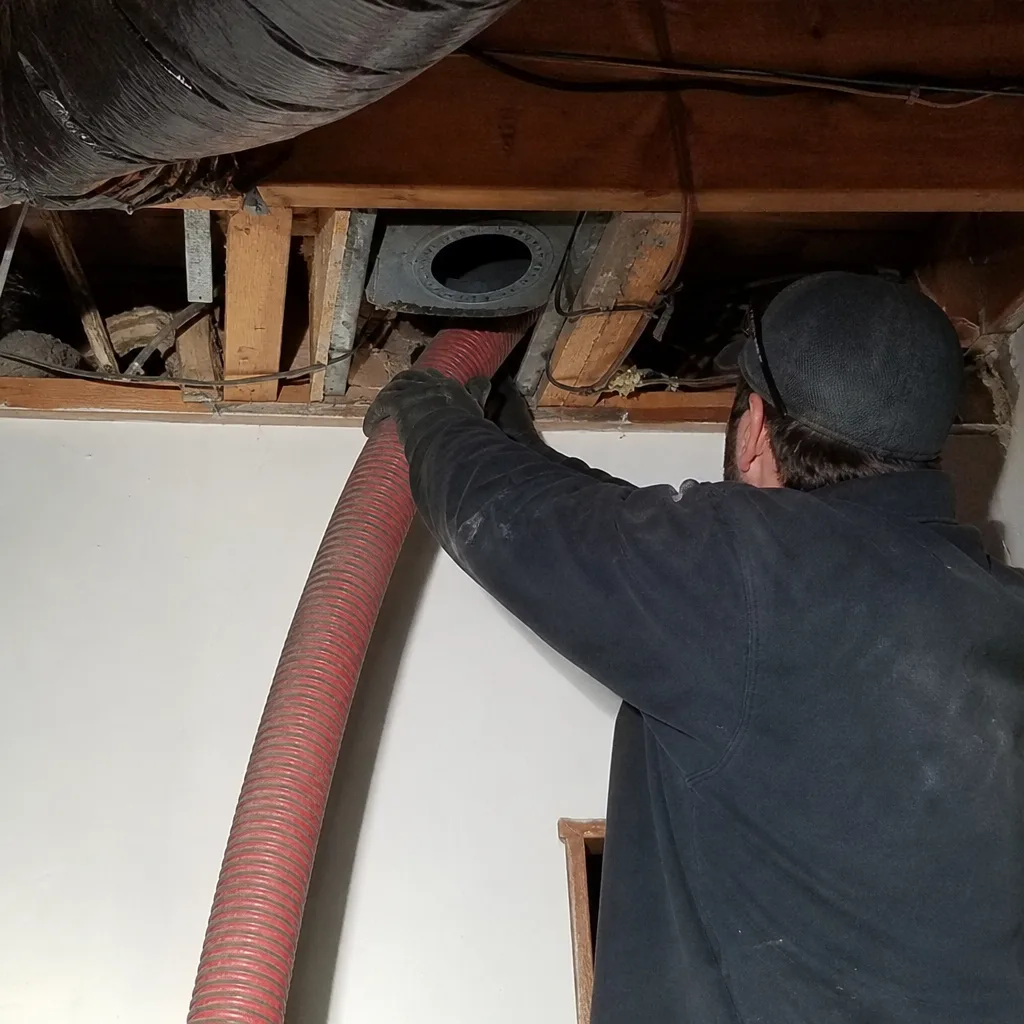 Before
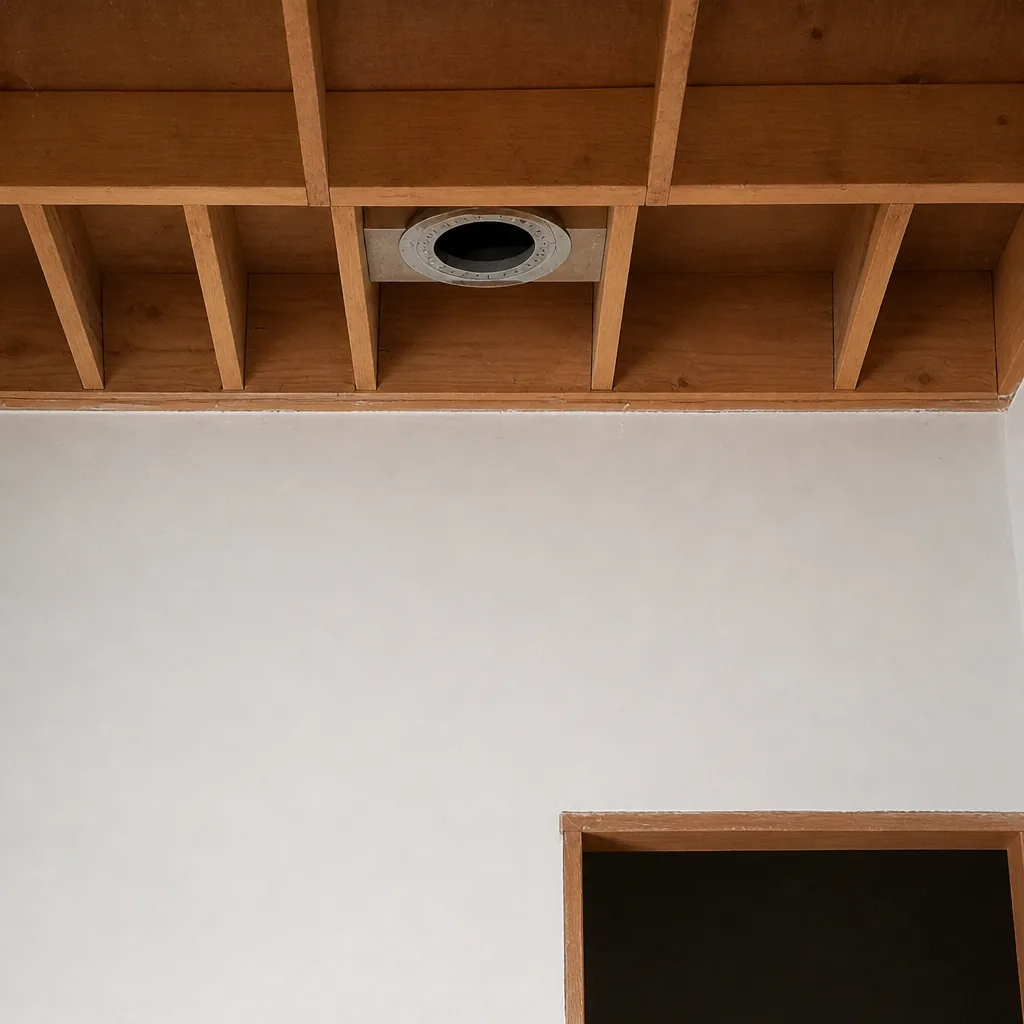 After
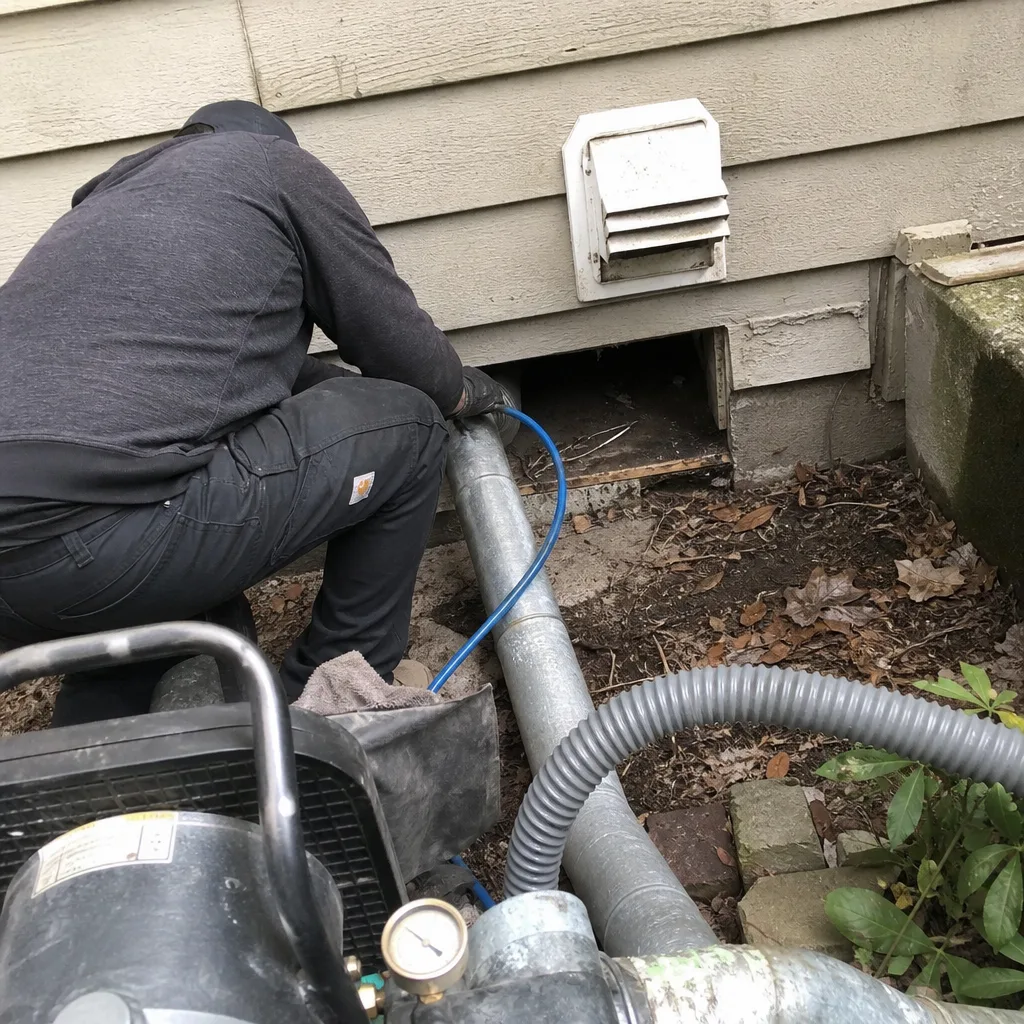 Before
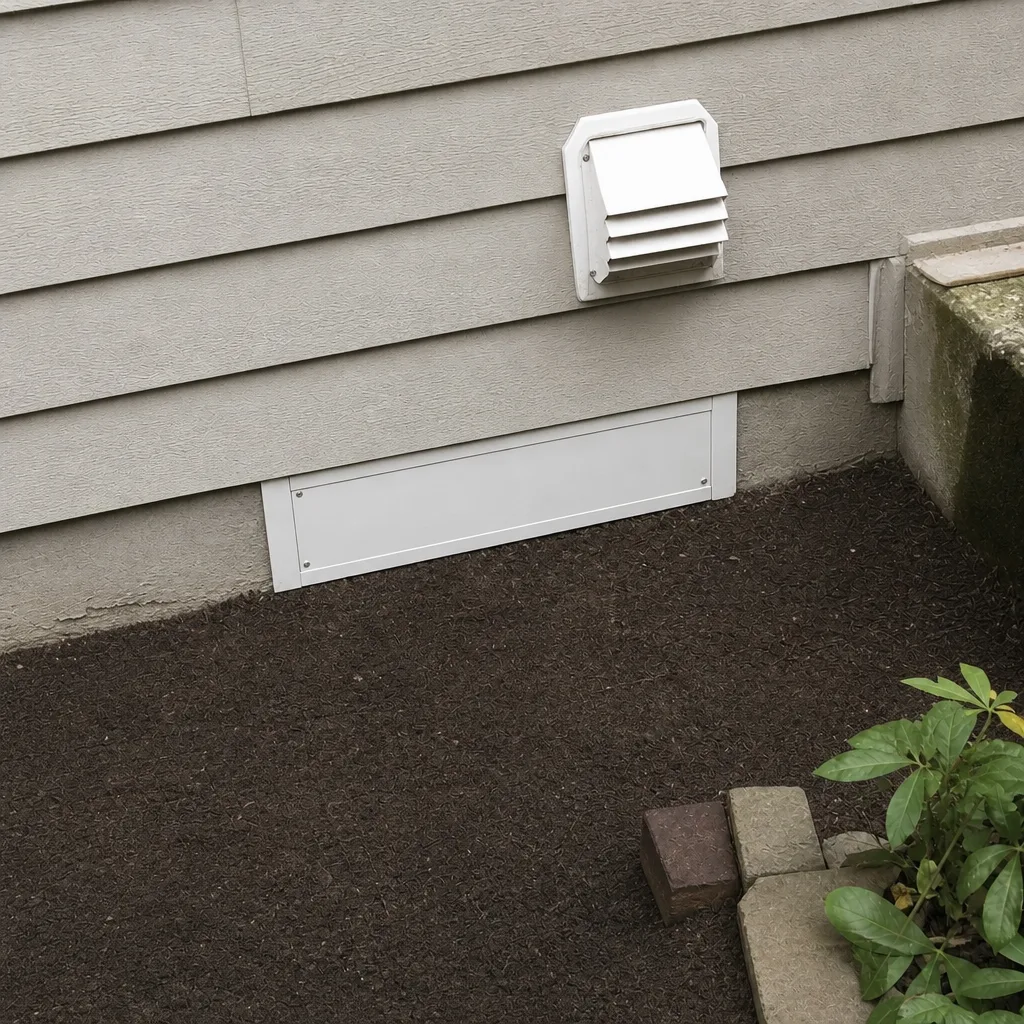 After
Frequently Asked Questions
Once a year for most homes, timed just before heating season. Homes with pets, recent renovations, chronic filter problems, or heavy summer smoke exposure may need a second targeted cleaning after a smoke event. The annual fall cleaning is the anchor; everything else is a response to a specific insult. If the last cleaning is unknown, call us for an inspection before scheduling the work – call (833) 482-5931 for an exact quote, and estimates are free.
Yes. When the smoke reaches Western Washington and the system is running in cooling mode, outside air drawn into the HVAC system carries fine particulate into the return plenum and supply runs. The particle load settles into the duct lining and stays there after the smoke clears. That’s why the smoke-clearing cleaning is scheduled for a couple of weeks after the event, not during it. Call (833) 482-5931 if you’re not sure how much your system took in.
Because winter is when the condensation cycle runs longest. Warm, moist air inside ducts meets cold duct walls in unheated crawlspaces and attics, condenses, and then re-evaporates with each heating cycle. That repeated moisture is enough to support growth on a duct lining that hasn’t been cleaned. Under-insulated ducts in Federal Way crawlspaces are the most common version of this. If you’re seeing mustiness on startup, call (833) 482-5931 – the fix is a clean, seal, and sanitize sequence.
Not effectively, and not safely past the grille. A shop vac reaches the first few feet of the branch line and pulls dust into the room rather than out of the system. Professional cleaning uses containment and negative pressure to keep the dislodged material out of your living space, and rotary tools to actually agitate the duct lining. For a system that needs real cleaning, call (833) 482-5931 for an estimate – it’s free.
Duct cleaning addresses the duct runs, plenum, and grilles. HVAC cleaning adds the components the ducts connect to – the cooling coil, blower, and the air handler’s interior surfaces. They’re separate service lines because they’re separate jobs, but they belong together: a cleaned duct system feeding a dirty coil just recirculates the coil’s contamination back through the house. Both are described in detail on the HVAC cleaning page, and both are included in the estimates we provide. Call (833) 482-5931 to talk through which service your system needs.
You need both if the ducts leak. Cleaning a leaking system cleans the air that leaves the ducts before it reaches the room. Sealing first or in the same visit makes the cleaning last. The inspection tells the difference – a camera scope shows the joints and connections that a flashlight can’t. Call (833) 482-5931 for an inspection estimate, and we’ll tell you honestly which of the two you actually need.
The Bottom Line
Federal Way ducts deal with a different contaminant load each season: combustion byproducts and humidifier scale in spring, wildfire smoke and coil condensate in summer, exterior debris and a heating-season startup in fall, and moisture-driven growth in winter. The right schedule isn’t an arbitrary annual date – it’s a fall anchor cleaning, a spring inspection, and targeted responses to smoke events and winter moisture problems. If you’re tired of guessing which season matters most for your home, get an assessment from someone who can look at the actual system. Federal Way Air Duct Cleaning Pros offers free estimates in Federal Way – call (833) 482-5931. We answer 24/7. Fast dispatch from 7am to 7pm, Sunday through Friday.
For a complete assessment of your air pathway – ducts, vents, HVAC components, and indoor air quality – see what a full visit covers at Federal Way Air Duct Cleaning Pros, and remember that dryer vent safety is best handled on its own schedule, not as a forgotten add-on.
Written by the team at Federal Way Air Duct Cleaning Pros.