
Last updated November 25, 2026
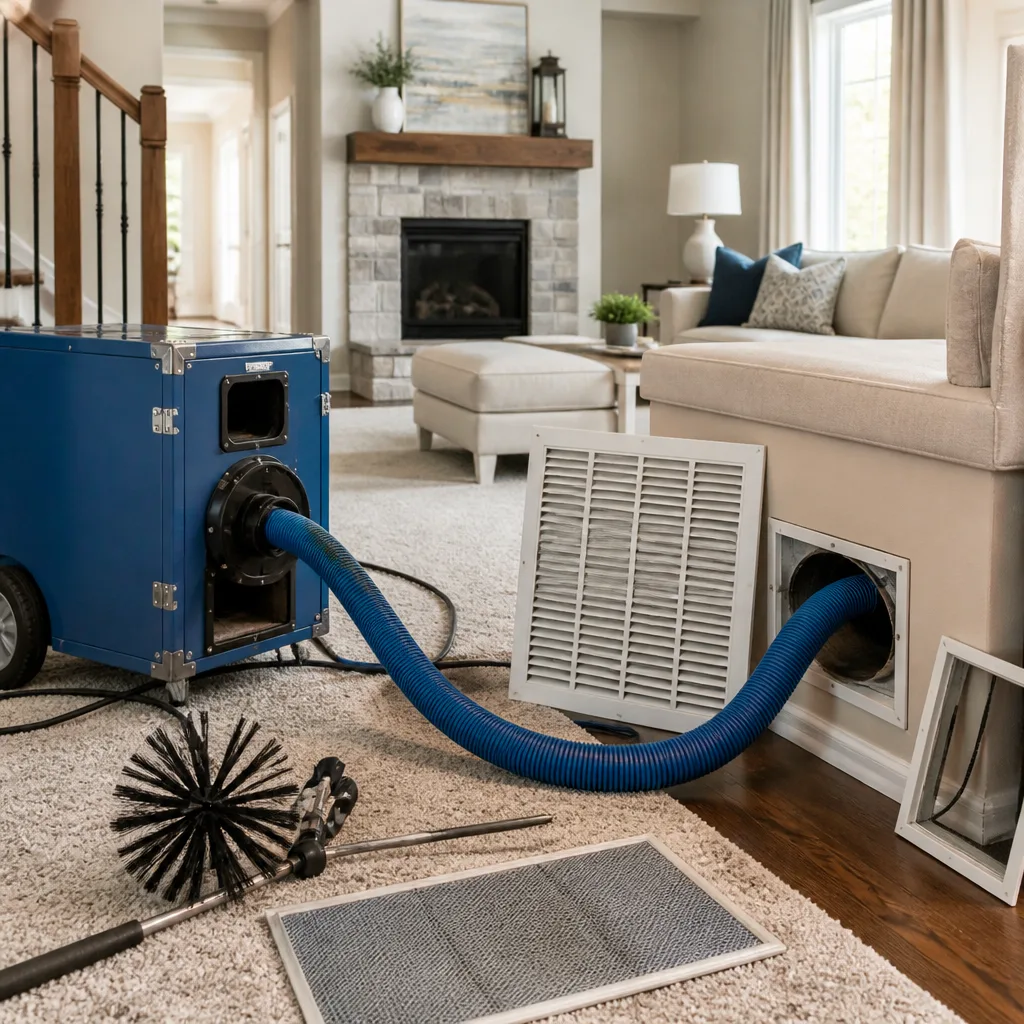 Whole-home duct cleaning
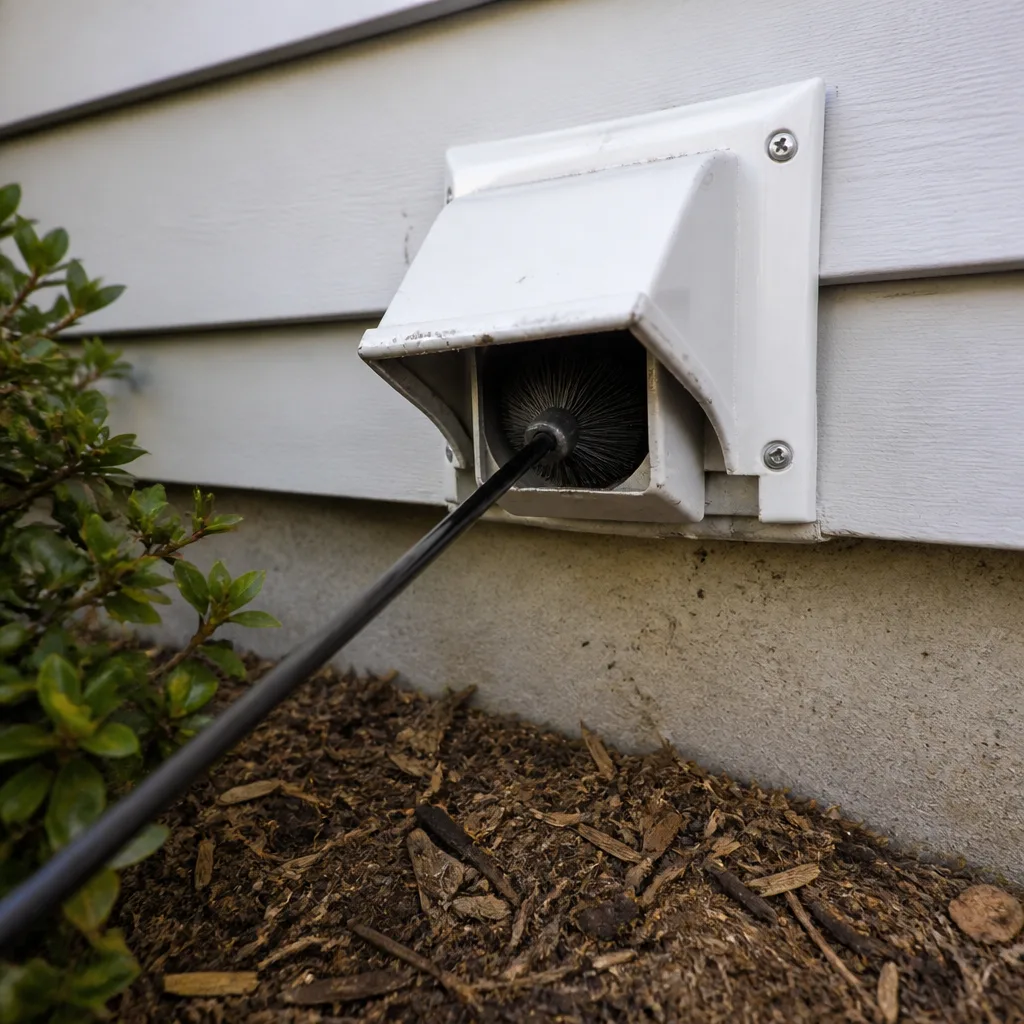 Dryer vent cleaning
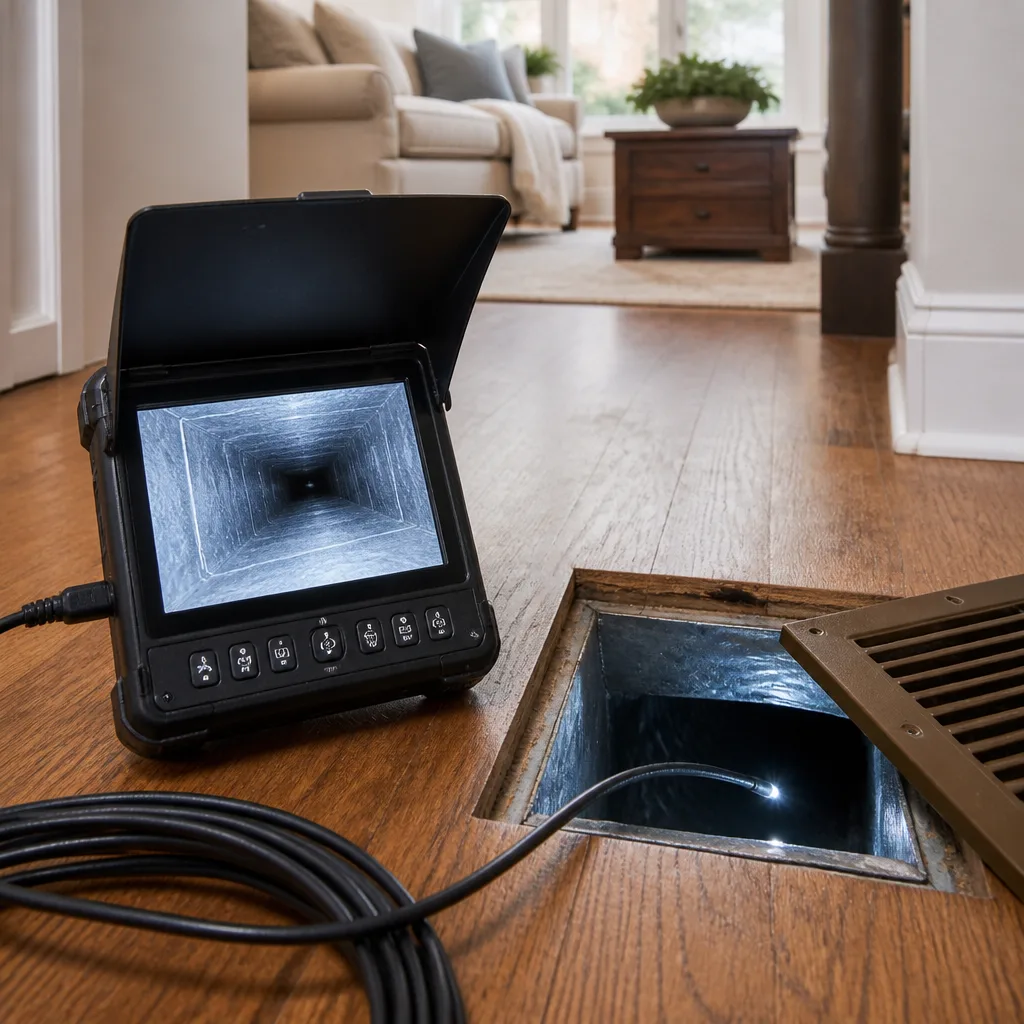 Camera inspection
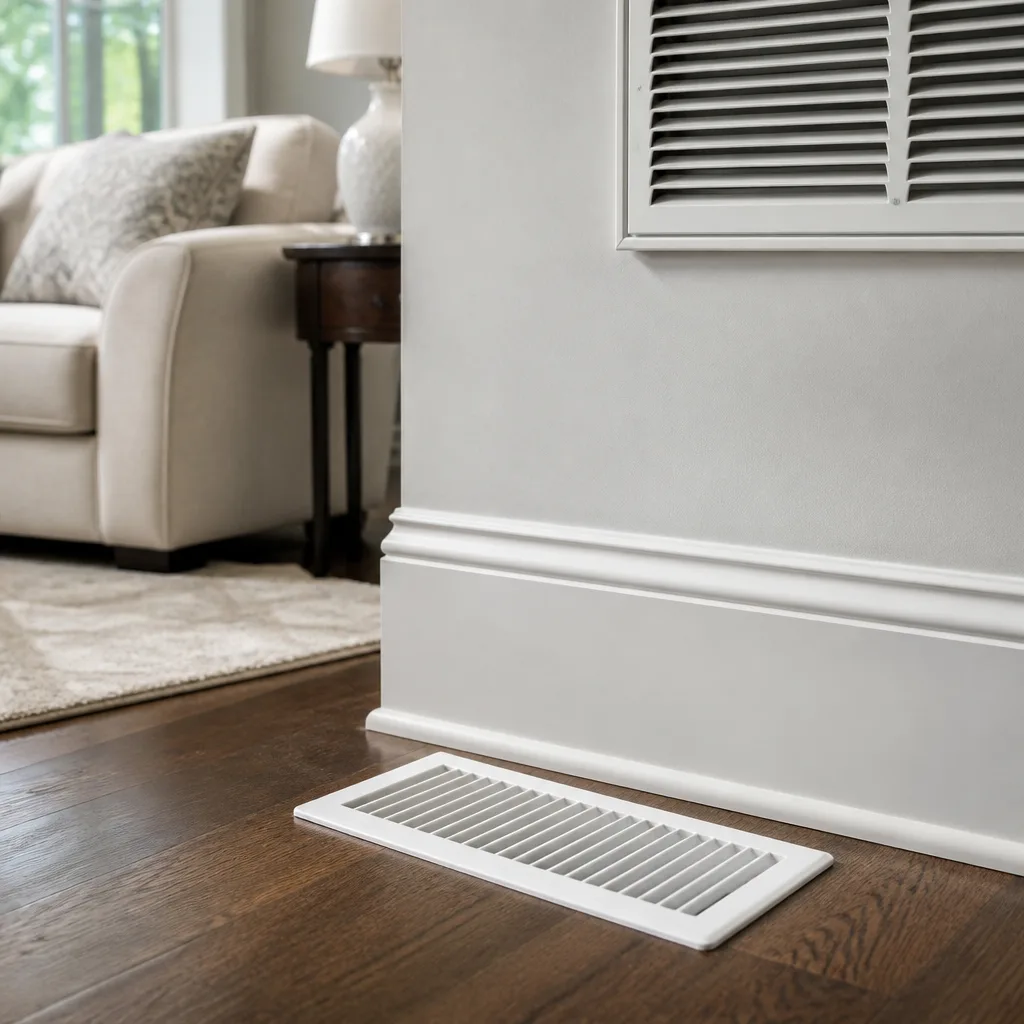 Sanitizing & deodorizing
Whole-system duct and dryer vent check with before-and-after photos - you see exactly what came out of your vents
That "$99 whole-house special" is a bait ad - the real number appears once they are in your hallway, or the "clean" is a shop-vac at the register. We photograph the inside of your ducts before and after instead.
Air Duct Cleaning Maintenance Checklist for Federal Way Homeowners
Most homeowners treat a fresh filter as the whole job and call it maintenance. It isn’t. The filter catches what reaches it; everything upstream in the return plenum, the trunk lines, and the branch runs collects dust on a schedule nobody sets on purpose. This guide is a diagnostic rhythm, not a cleaning reminder. Each item below is framed around what failure actually looks like, so you can spot early-stage problems before they turn into expensive remediation. We’ll cover monthly, semi-annual, and annual tasks, how to read what your registers are telling you, and the Federal Way conditions that change the schedule.
Quick Answer
A practical air duct maintenance checklist for a Federal Way home runs on three clocks: monthly filter and register checks, semi-annual duct and dryer vent inspections, and an annual professional assessment of the full air pathway. The work that matters most is watching for change – new dust patterns, musty odors, weak airflow at specific registers – because those signals tell you whether the system needs cleaning, sealing, or repair before a small gap becomes a contamination problem.
Styles & brands we work with
- Whole-home duct cleaning
- Dryer vent cleaning
- Camera inspection
- Sanitizing & deodorizing
Table of Contents
- The Monthly Checklist: Filters, Registers, and Airflow
- The Semi-Annual Checklist: Catching Seasonal Problems
- The Annual Checklist: Full-System Professional Assessment
- Reading Register Boots: Normal Dust Versus Discoloration
- MERV Rating, Change Frequency, and Downstream Contamination
- Federal Way-Specific Triggers That Reset Your Schedule
- The Dryer Vent Item Most Checklists Miss
- Where Homeowner Maintenance Ends and Professional Work Begins
The Monthly Checklist: Filters, Registers, and Airflow
Monthly maintenance is about observation, not scrubbing. Fifteen minutes with a flashlight and a hand at each register will teach you more about your system’s health than any deep clean you attempt yourself. Do these on the same day each month so you’re comparing like to like.
- Change or inspect the filter. Check it even if the box says it lasts three months. Hold it to a light – if you can’t see through the pleats, it’s spent. Note the date you changed it so the interval is real, not remembered.
- Feel airflow at every supply register. Cup your hand two inches from the grille. Every register should feel roughly comparable in a well-balanced system. One weak register and one strong one suggests a branch problem or a damper out of position.
- Wipe the register face and note the color of what comes off. Gray-brown dust is normal. Black soot-like film, sticky residue, or a fine white powder is not, and each points to a different problem.
- Look into the return grille with a flashlight. The return is where the system pulls air back in, and it sits in the dustiest spot in the house. Check the visible duct wall behind the grille for buildup thickness.
- Sniff the air at a few registers while the system runs. A musty or earthy smell points toward moisture somewhere in the pathway. A sharp or oily smell is different and worth a closer look at the HVAC cabinet.
- Listen for new noise. A rattle or whistle that wasn’t there last month often means a loose fitting or a gap opening at a joint.
On a newer system in Federal Way, these monthly passes mostly confirm things are steady. On an older home or one where a previous owner skipped maintenance, they’re where you catch the first signs of trouble. Our technicians have up to 9 years of experience, and the pattern they see most often is a homeowner who noticed one bad register months before calling – and by then the branch line behind it needed more than a cleaning. For the deep work behind the walls, see our air duct cleaning service.
The Semi-Annual Checklist: Catching Seasonal Problems
Twice a year, once after the wet fall and once after the dry summer, go further than the monthly pass. These two checkpoints line up with the two seasons that load the most material into a Federal Way system.
- Inspect accessible ductwork in the attic and crawlspace. Look for disconnected joints, crushed flex sections, and any duct resting on the ground or insulation. A sagging or kinked run kills airflow to the far end of the house.
- Check for moisture or staining around duct runs in the crawlspace. Condensation on cold duct surfaces, water staining on nearby wood, or a damp smell are all reasons to stop and get a professional opinion.
- Clear the exterior intake and vent terminations. Fall leaves and debris collect around exterior air intakes and the dryer vent hood. A blocked intake chokes airflow; a blocked dryer vent is a fire hazard, which we’ll get to.
- Vacuum the supply and return grilles and the immediate duct throat. Use a brush attachment and go slow. This isn’t duct cleaning – it’s removing what you can safely reach so the grille isn’t your only filter.
- Test the system’s balance. Run the fan and hand-test each register again. Compare to your notes from the last check. Gradual loss of airflow is easy to miss until it’s gone.
- Look at the HVAC cabinet and around the air handler. Any dust ring around a seam, any gap where the cabinet meets the plenum, is a leak point. A leaking cabinet pulls in unconditioned attic or crawlspace air.
This is also the right time to schedule anything more involved. Our HVAC cleaning work covers the components behind the registers – the blower, the evaporator coil, and the cabinet itself – because cleaning the ducts while leaving a fouled coil in place means the system has to pass every cubic foot of air through a dirty surface. Same for the leaks: a gap you seal now is a gap that stops depositing crawlspace dust throughout the system. That sealing capability is the difference between cleaning a system and actually fixing one.
The Annual Checklist: Full-System Professional Assessment
Once a year, have the whole air pathway assessed by a professional. The annual pass is where problems that grew quietly over the year get caught before they become expensive. What a proper annual assessment should cover:
- Camera inspection of the trunk and branch lines. A technician runs a camera to see buildup thickness, moisture, and joint integrity past the first few feet – the parts you can’t reach from a register.
- Assessment of the return plenum. The return side is often the dirtiest part of the system and the least inspected. Buildup here feeds directly back into the air the house breathes.
- Check for gaps and disconnected runs. A professional looks for leaks and separations between sections, then seals them, not just cleans around them.
- HVAC component inspection. Coil, blower, and cabinet condition, plus the condensate system, because moisture is the engine of most duct problems.
- Dryer vent evaluation. A dedicated look at the full dryer run, from the appliance connection to the exterior hood.
- Air quality review. Whether sanitizing or filtration is appropriate, based on what the inspection found.
Professional-grade equipment is what makes this pass real. Rotobrush and Nikro systems are purpose-built duct cleaning tools used in commercial-grade applications, and Abatement Technologies equipment supports containment and negative-pressure work so the cleaning doesn’t just redistribute dust through the house. We bring that standard to residential jobs – professional-grade equipment, residential pricing. The full annual schedule lives on our Federal Way Air Duct Cleaning Pros page, and it’s the baseline we compare monthly observations against.
Reading Register Boots: Normal Dust Versus Discoloration
Pop the grille and look at the register boot – the metal box behind the grille that connects the branch duct to the room. The pattern of dust there tells you what the monthly observation is looking for. Normal accumulation is evenly distributed, gray-brown, powdery, and wipes off the surface. What you want to look for are patterns that don’t match that baseline:
- Dark streaking radiating from one seam or corner. Air is escaping at that joint. The streak is dust in the escaping airstream, which means an unfiltered leak washing straight into the room.
- Black, oily, or sooty film. Different texture and color than household dust. This is worth a professional look because it doesn’t come from normal outdoor dust loading.
- White chalky powder or crust on metal. Often a moisture signal. Condensation or a wet source upstream is depositing minerals as it dries.
- Rust at the bottom corners of the boot. Water is pooling there at some point in the cycle. On the supply side, that’s condensation from cold air hitting a warm metal boot. On the return side, it’s often crawlspace moisture being pulled in.
- Uneven coating where one side of the boot is far dirtier than the other. Airflow isn’t entering the way it should – a bent damper or a loose inner liner can cause this.
- Disconnected inner liner on flexible duct. The plastic liner inside a flex run can separate and collapse, blocking airflow and trapping dust. If the flexible run looks deflated or kinked at the boot, that’s a professional repair, not a cleaning.
Take a photo of each register boot when you first check it, and keep the photos on your phone. Comparing this year’s photo to last year’s is a far better diagnostic than trying to remember how it looked. That comparison is exactly how a Federal Way homeowner spots a slowly worsening leak before it’s done real damage.
MERV Rating, Change Frequency, and Downstream Contamination
The filter is the last line of defense in the airflow chain, not the whole system. Its MERV rating and your change interval have a direct effect on how much finds its way into the plenum and trunk lines – and homeowners often get both wrong in opposite directions.
A very low MERV filter (the cheap fiberglass type) catches large debris and little else, so the finer dust passes through and settles in the ductwork. A very high MERV filter can catch a great deal but may also choke a residential system’s airflow if it’s more restrictive than the blower can handle, which is why manufacturers publish a maximum MERV rating for each system. The practical goal is a filter with the highest rating your specific HVAC system supports, changed on a real interval. A clogged high-MERV filter is worse than a fresh mid-MERV one on both airflow and contamination.
Where homeowners go wrong:
- Running an undersized filter past its useful life. A loaded filter stops filtering well and can collapse into the return, dumping captured dust right into the plenum.
- Changing to a much higher MERV without checking the system. Too restrictive, and the blower starves; the house feels under-served and the coil can freeze.
- Assuming a filter change is a maintenance plan. It protects the equipment. It doesn’t clean the ductwork, and it doesn’t touch the dryer vent.
- Not noting dimensions. A filter that doesn’t seat fully has a bypass gap, and unfiltered air at every edge goes straight past the filter.
A good practice is to write the filter size and install date on the air handler cabinet with a marker, and to check it in the same monthly pass as the registers. When downstream buildup appears despite regular changes, that’s the signal to schedule a professional assessment – the filter can’t fix contamination that’s already in the trunk lines.
Federal Way-Specific Triggers That Reset Your Schedule
Federal Way’s climate and surroundings put more load on a duct system than a lot of other places, and the checklist should flex with those strains. Three triggers are worth naming.
Wildfire smoke seasons
When wildfire smoke settles over the area, the number of fine particles entering the return rises sharply, and a filter that would normally last well sits in a much heavier load. During smoke events, check the filter weekly rather than monthly, and consider running the fan to keep air moving through the filter even when you’re not calling for heat or cooling. Smoke odor in the house after the air outside clears is a sign the system has absorbed what went through it, and that’s a case for a professional look at the ducts, the cabinet, and the coil.
Wet fall leaf debris near exterior intakes
Fall rain turns dry leaves into a matted, soggy layer that sticks around exterior air intakes and vent hoods. Clear them after each significant rain through the fall. A blocked intake at minimum kills airflow to the house; at worst, it can pull moisture and organic debris into the duct system. The dryer vent hood is the other spot wet debris collects, and a blocked dryer hood is one of the conditions that actually starts fires.
Crawlspace moisture events
Many Federal Way homes have crawlspaces, and a wet fall or a plumbing leak can push moisture up into duct runs that pass through. When you check the crawlspace, look for water staining on joists and duct insulation, condensation on duct surfaces, and any damp smell. A moisture event doesn’t mean your ducts are ruined, but it does mean you need a professional assessment to see what’s wet and what the moisture has done to the system.
Beyond the weather, the region’s combination of older housing stock and dense landscaping means the dust and pollen loads in some neighborhoods run consistently higher than the monthly pattern assumes. A home near mature trees may need its semi-annual checks earlier. If the pattern in your monthly notes is drifting, treat that drift as a trigger.
The Dryer Vent Item Most Checklists Miss
Duct cleaning guides talk about the HVAC system and forget the dryer, which is a mistake. The dryer vent is a dedicated duct run handling hot, moisture-laden, lint-loaded air, and a blocked dryer vent is a leading cause of residential fires. Treat the dryer vent as its own maintenance item on the checklist.
- After every load, check the lint screen. That’s the routine everyone knows and it still doesn’t reach the run behind the appliance.
- Monthly, look behind and under the dryer. Lint accumulates where the flexible connector meets the wall – the spot the screen can’t protect.
- Semi-annually, pull the dryer out and look at the connector. If it’s crushed, kinked, or plastic, that’s an immediate repair. The run needs to be smooth, tight, and free of sharp bends.
- Check drying time as a signal. Clothes that used to dry in one cycle and now take two are telling you the vent is restricting airflow. Don’t wait for a warning beyond that.
- Inspect the exterior hood every fall. The flap should open freely when the dryer runs. If it’s stuck, matted with debris, or blocked by a screen or cage, that’s a restriction and a fire risk.
Our dryer vent cleaning service exists as its own line of work, not an add-on at the end of a duct job, because it addresses a different hazard. The equipment and technique that clean a tangled dryer run are different from what cleans a trunk line, and the accountability is different too – you want the whole run cleared, from the appliance connection to the exterior hood, with the lint actually removed. If the semi-annual check turns up a restriction, that’s the call to make.
Where Homeowner Maintenance Ends and Professional Work Begins
The line is not about effort – it’s about what a homeowner can do safely and with the right tools. Homeowner maintenance covers filter changes, register and grille cleaning, airflow observation, exterior termination clearing, and notes. Everything past a few feet inside the ductwork belongs to a professional. Specific scenes that cross the line:
- Buildup you can see deeper than the register throat. If a flashlight shows a visible dust crust past the grille, that’s a duct cleaning job, not a homeowner one.
- Moisture, rust, or musty smell anywhere in the pathway. Moisture plus organic dust is the recipe for mold growth, and mold remediation involves containment and negative pressure. A shop vac in a crawlspace won’t fix it.
- Disconnected or damaged duct runs. Crushed flex, separated joints, disconnected boots – these need repair, and cleaning around them just moves the problem.
- Leaks you can pinpoint at the boot or cabinet. Sealing a leak properly requires reaching the joint all the way around and knowing which sealant is rated for the surface, and gaps in the wrong places can pull in air from a crawlspace or attic.
- Black or oily deposits. The cause matters as much as the deposit. That’s a professional diagnosis.
- Air quality concerns. If allergy flare-ups, dust spikes, or odors persist after the checklist is running clean, sanitizing and filtration are the next step, and those are applied by professionals.
- Anything involving the dryer run past the connector. The full length of the vent is a professional item.
When you do hand off, the technicians who show up should carry the right equipment. Rotobrush, Nikro, and Abatement Technologies are the tools we use to clean, contain, and inspect the whole pathway – from the return vent to the register – and Guardsman-grade products are the sanitizing side of the answer where a job needs it. Household vacuums and hand scrubbing can’t reach the trunk lines; that’s not a knock, it’s a limit. Knowing the limit is the whole point of the checklist.
Common Mistakes to Avoid
- Treating a filter change as duct maintenance. A fresh filter protects equipment but never cleans the plenum or trunk lines, so buildup keeps growing behind it while the filter looks fine.
- Cleaning only the grilles and assuming the ducts are clean. Grilles are the easy part. The dust that matters is out of reach and out of sight.
- Running the vacuum in the crawlspace or attic without containment. Without negative pressure and proper containment equipment, you’re redistributing dust into the house and the HVAC system. Any cleanup that stirs dust needs containment.
- Ignoring the dryer vent in a Federal Way home. Wet fall weather, blocked hoods, and lint behind the dryer combine into the most avoidable fire risk in the house. Check it semi-annually and clear the exterior hood every fall.
- Upgrading to a high-MERV filter without checking the system’s maximum. A filter that chokes airflow starves the blower and can freeze the coil, and it doesn’t filter any better than a fresh filter of the right size.
- Waiting for a visible problem at a register. By the time dust crumbles out of a supply register, the branch line behind it has been loading for a long time. The signals come sooner in the monthly and semi-annual checks.
- Skipping the annual assessment because the house feels fine. Small leaks and moisture are quiet. The annual pass is how you find them before they’re expensive.
See the difference
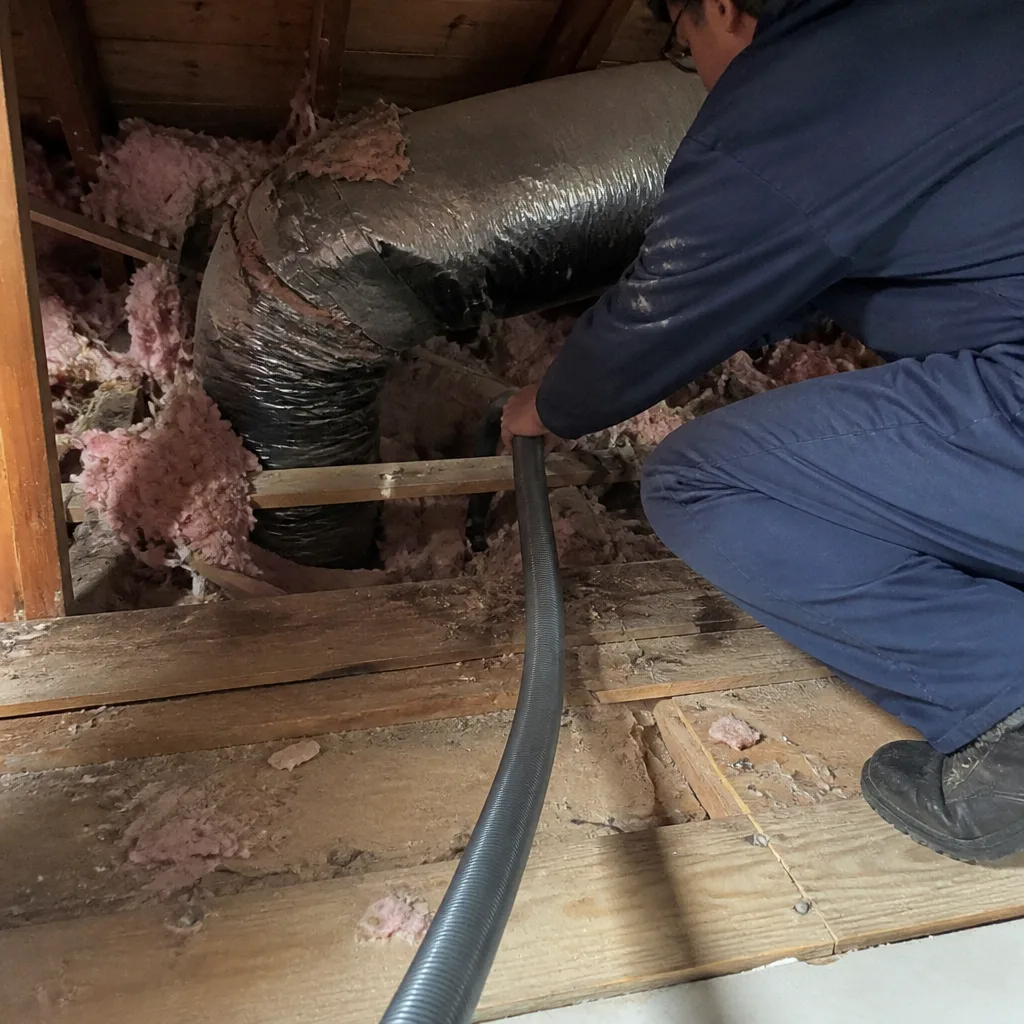 Before
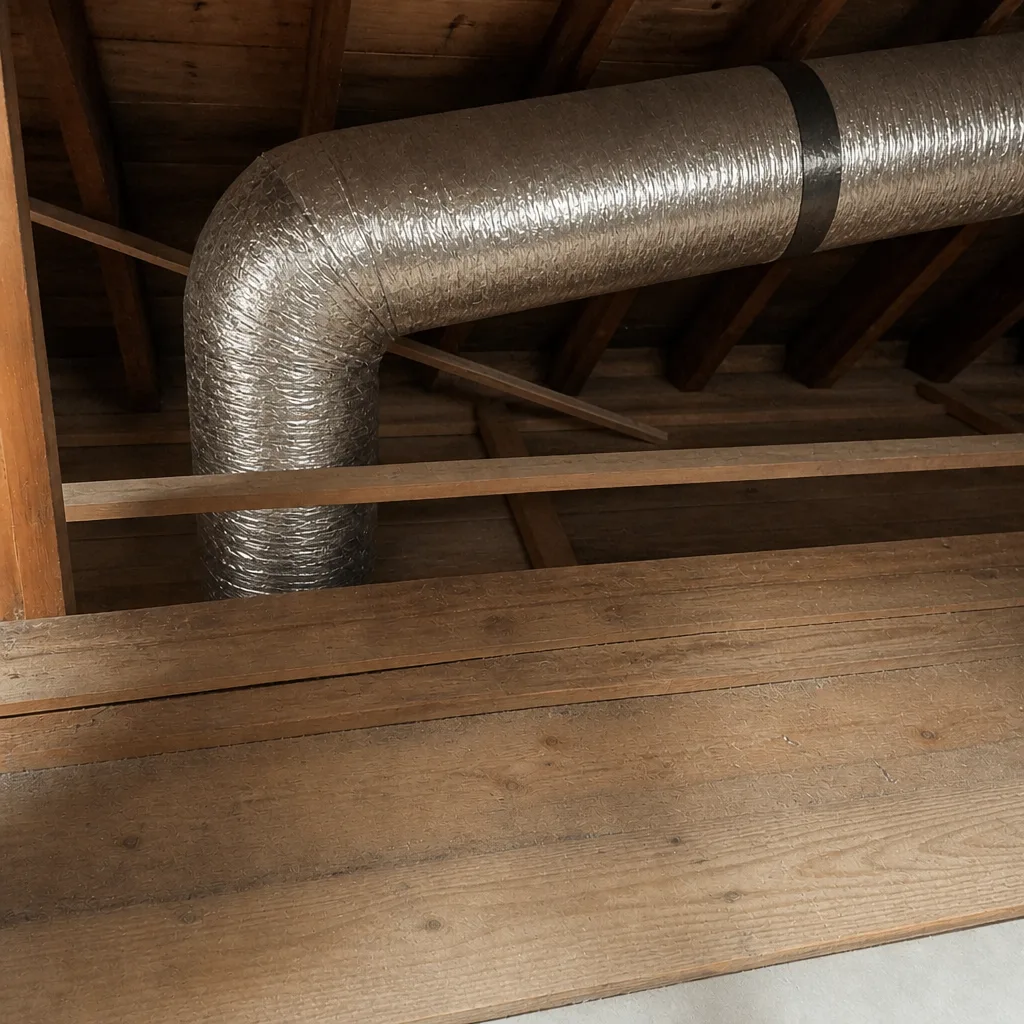 After
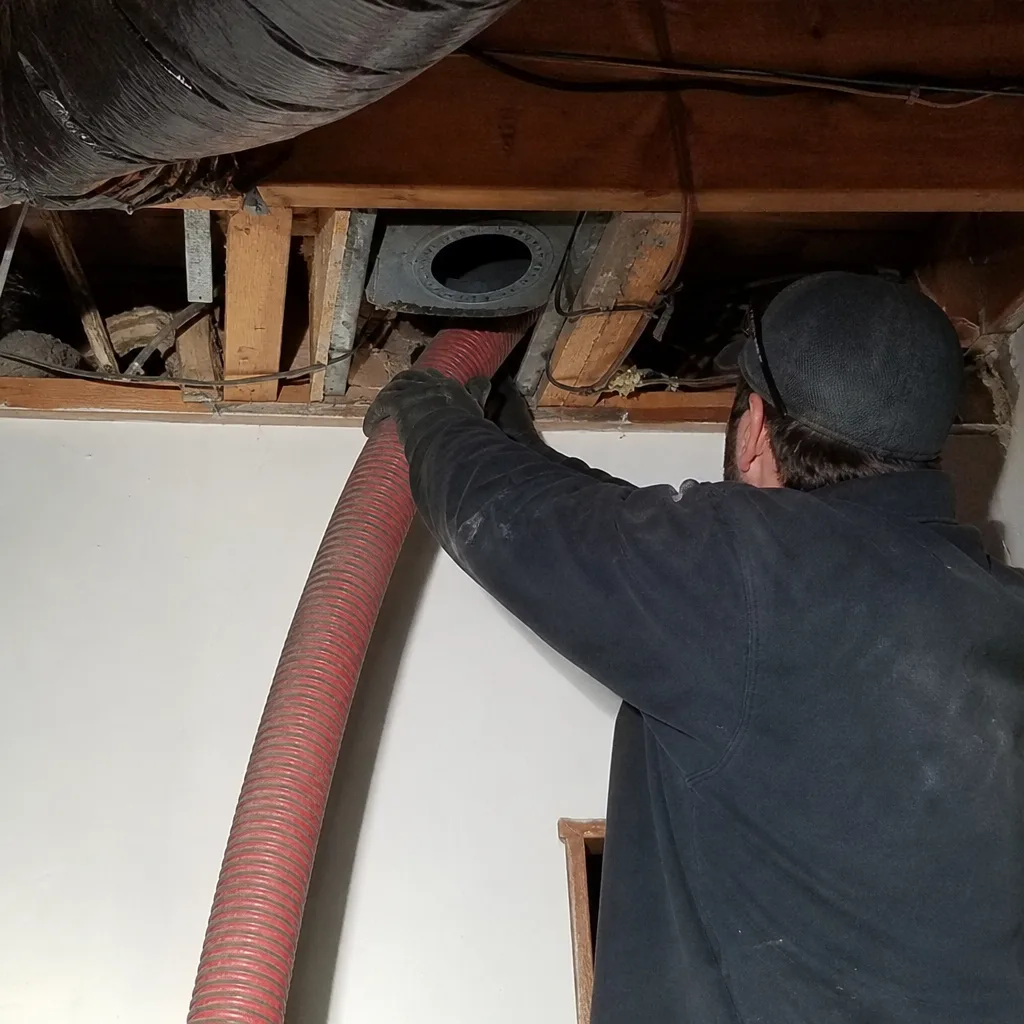 Before
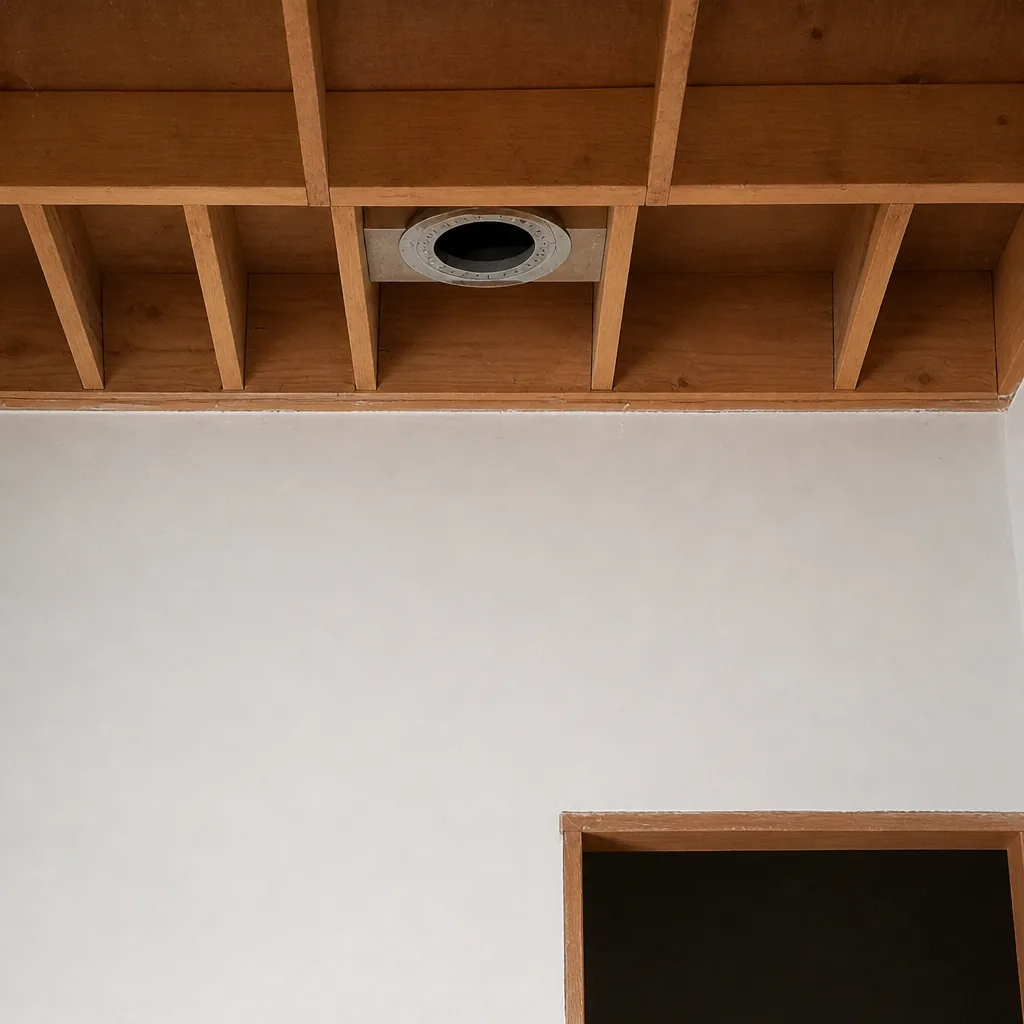 After
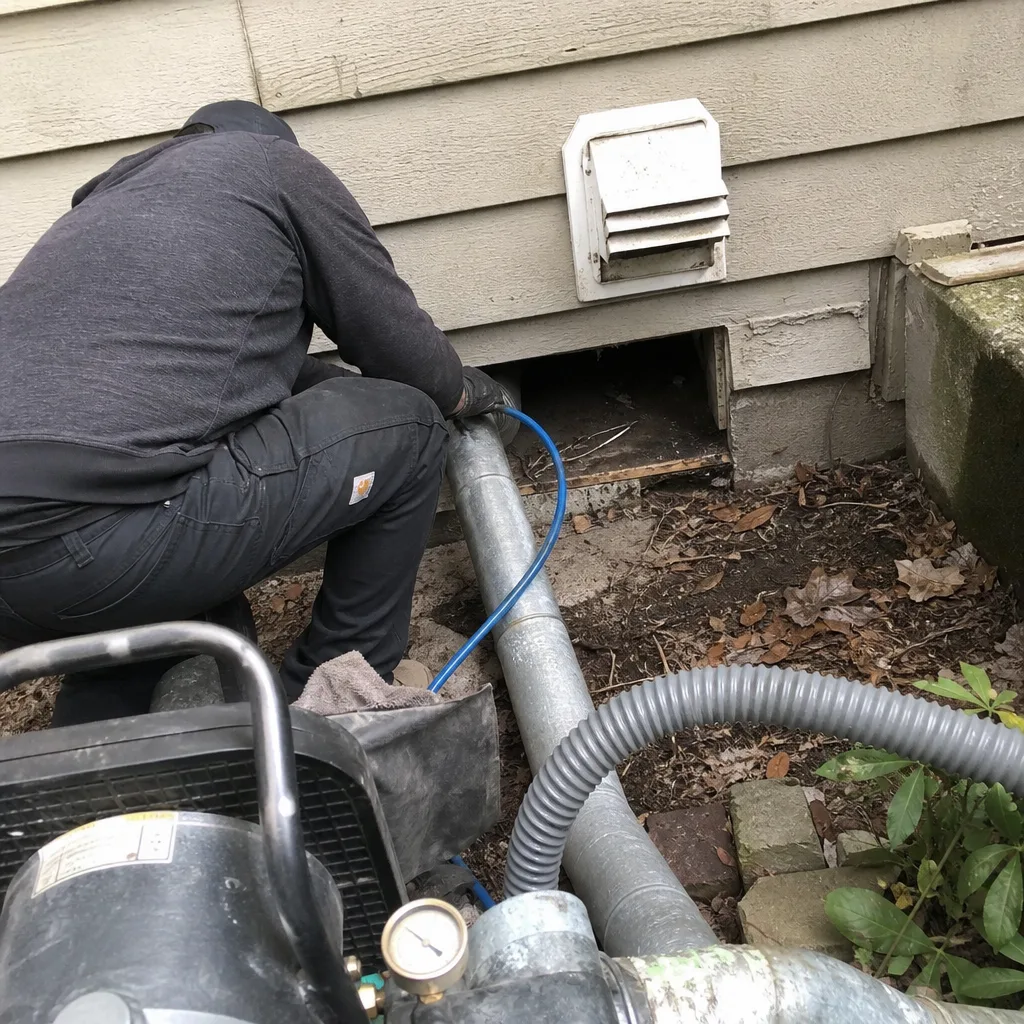 Before
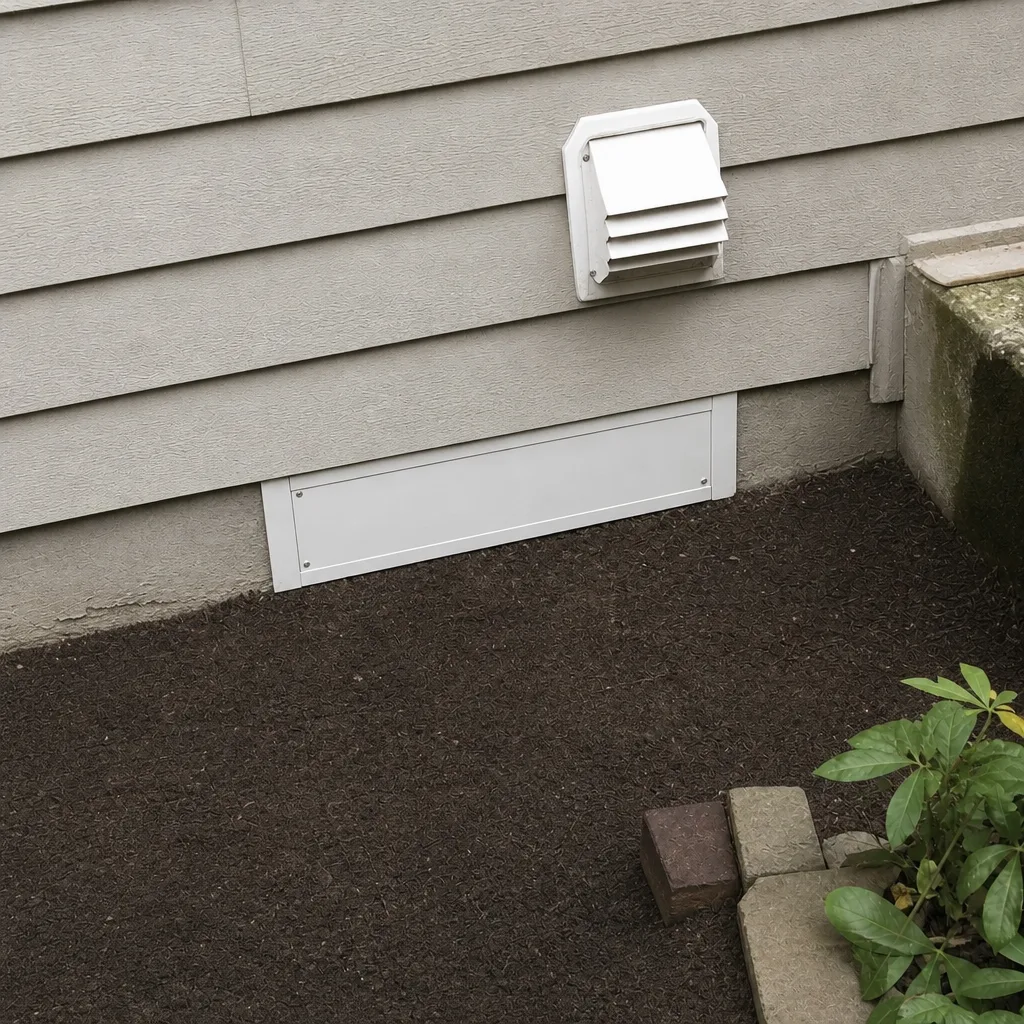 After
When to Call a Professional
Call a professional when the checklist turns up something you can’t see through, fix safely, or fully reach: visible buildup past the register throat, any musty smell or moisture at a duct, disconnected or crushed runs, leaks you can pinpoint at a boot or cabinet, black or oily deposits, dryer restrictions the semi-annual check uncovers, or air quality symptoms that persist after the monthly and semi-annual routines are running clean. If a wildfire smoke event leaves the house smelling of smoke after the outside air clears, that’s also a call. Federal Way Air Duct Cleaning Pros offers free estimates in Federal Way – call (833) 482-5931. We answer 24/7. Fast dispatch, 7am-7pm, Sunday through Friday. The estimate is free and the price is set per job by the written estimate, so you know what the work costs before it starts.
Frequently Asked Questions
Most homeowners do well with a full professional assessment once a year, and a cleaning when that assessment finds visible buildup, moisture, or contamination. Run the monthly filter and register checks in between, and treat the semi-annual checks as the time to reset anything that’s drifted. Homes near mature trees or with crawlspaces may need assessment sooner.
Homeowner maintenance covers what you can safely reach and observe – filter changes, grille and register-boot cleaning, airflow testing, and clearing exterior terminations. Professional cleaning uses camera inspection and Rotobrush or Nikro equipment to clean the trunk and branch lines, plus containment work with Abatement Technologies gear to keep the work from redistributing dust. Cleaning past the register throat belongs to a professional.
The tell is before-and-after access to the trunk and branch lines – camera shots that show what was there and what’s there now – plus a clear scope of what was cleaned and what was inspected. If a crew only wipes the grilles and calls it done, the trunk lines are untouched. Ask for the scope up front and ask what was inspected versus what was cleaned.
Both, in the right order. Cleaning removes the contamination; sealing closes the gaps that let new dust and crawlspace air in. A leak near the return is the most common culprit, because every cubic foot of conditioned air passing through it is unfiltered. Our duct repair and sealing work exists for exactly this reason: cleaning without fixing the gaps is a temporary fix.
Yes, as a separate item, checked semi-annually and cleared professionally when restricted. It’s a different duct run, handles a different load, and carries a real fire risk if blocked. Clothes that take longer to dry are the everyday signal that airflow has dropped. A blocked dryer vent is a fire hazard waiting to be cleared, so don’t put it off.
Run the highest MERV rating your HVAC system supports – check the manufacturer’s maximum – and change it on a real interval, not the box’s claim. During wildfire smoke events, step the interval down to weekly. A loaded filter stops filtering well, and a high-MERV filter that’s too restrictive can choke the blower, so the right filter for the system beats the highest number on the aisle.
The Bottom Line
A maintenance checklist is a diagnostic rhythm, and the monthly, semi-annual, and annual items above are how a Federal Way homeowner catches duct problems at the early, cheap stage instead of the remediation stage. Watch the registers, note the colors and patterns, keep the filter and dryer vent on their own clocks, and reset the schedule when wildfire smoke, fall leaf debris, or a crawlspace moisture event adds load. When something crosses the line – buildup past the throat, moisture, disconnected runs, black deposits – call a professional. Federal Way Air Duct Cleaning Pros offers free estimates in Federal Way. Call (833) 482-5931. We answer 24/7. Fast dispatch, 7am-7pm, Sunday through Friday. The estimate is free and the price is set per job by the written estimate.
Written by the team at Federal Way Air Duct Cleaning Pros.