
Last updated November 25, 2026
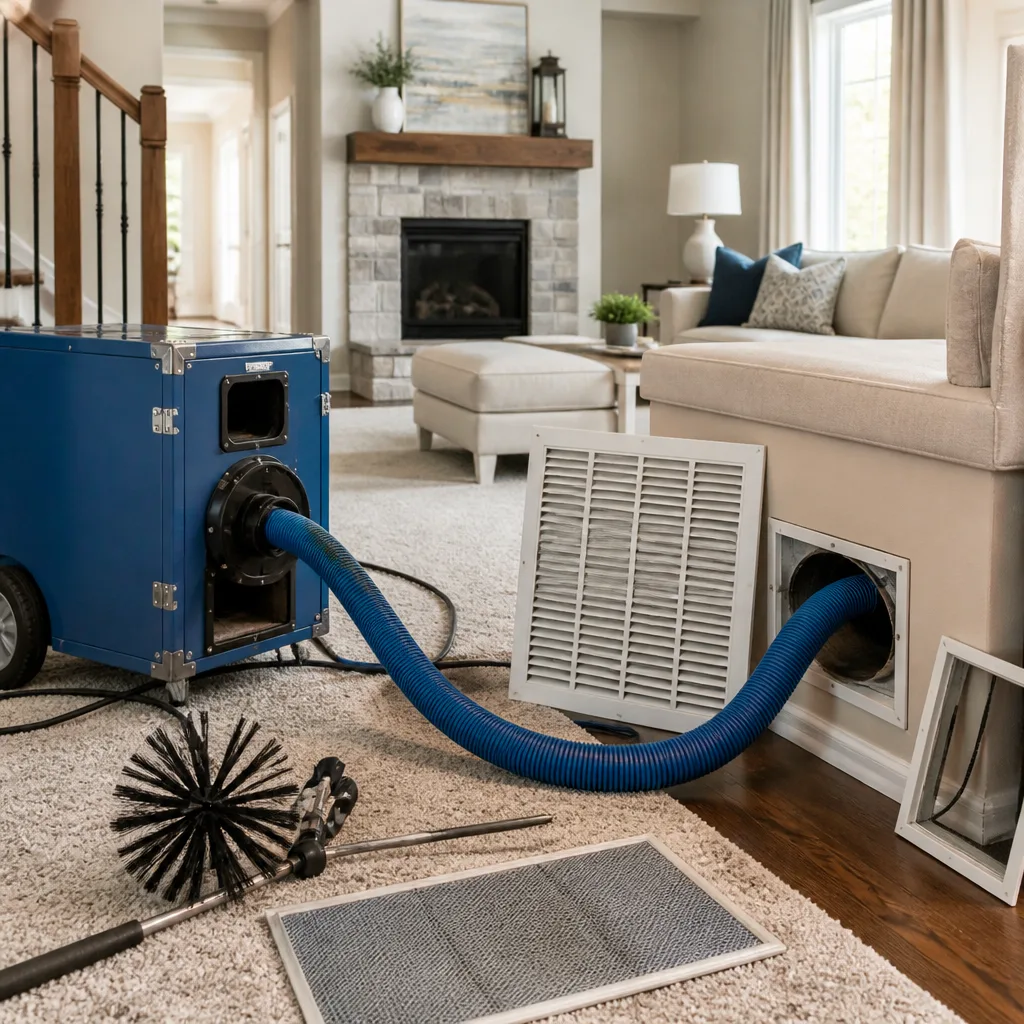 Whole-home duct cleaning
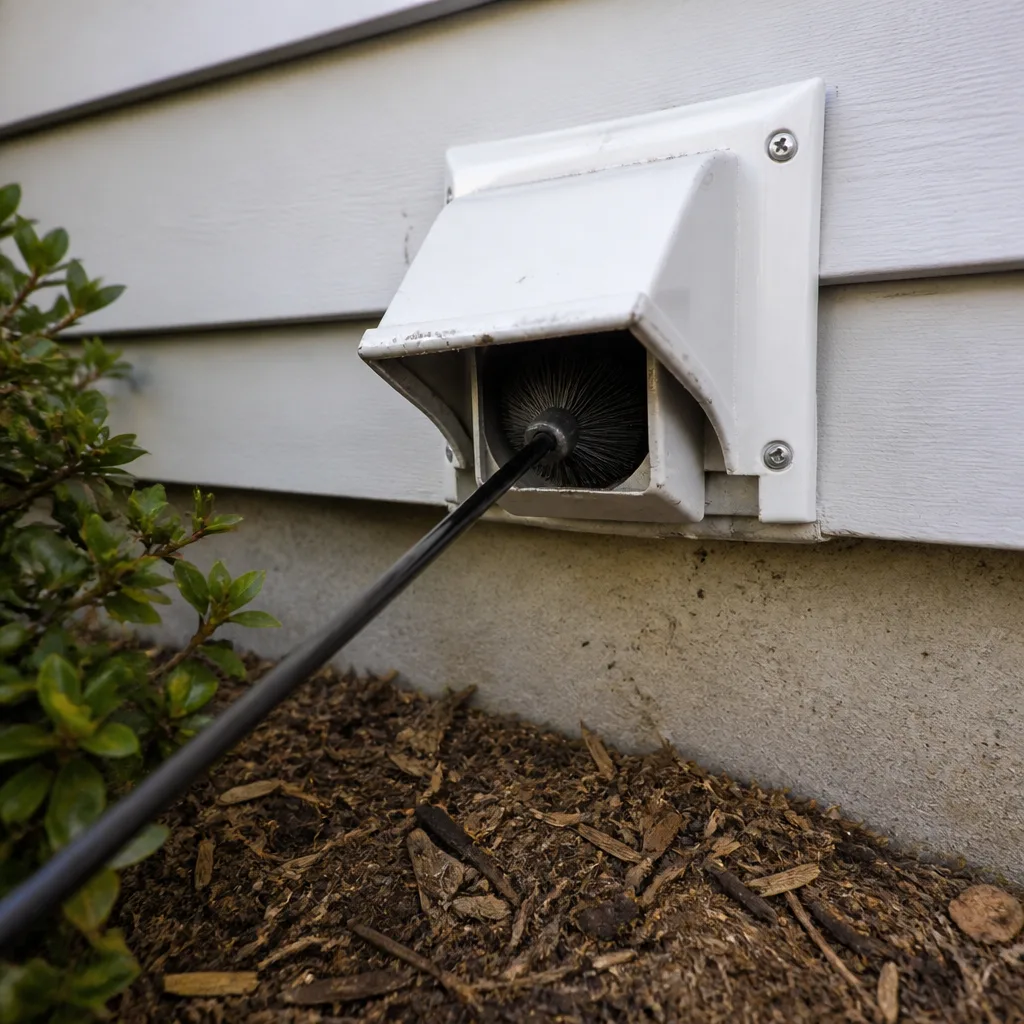 Dryer vent cleaning
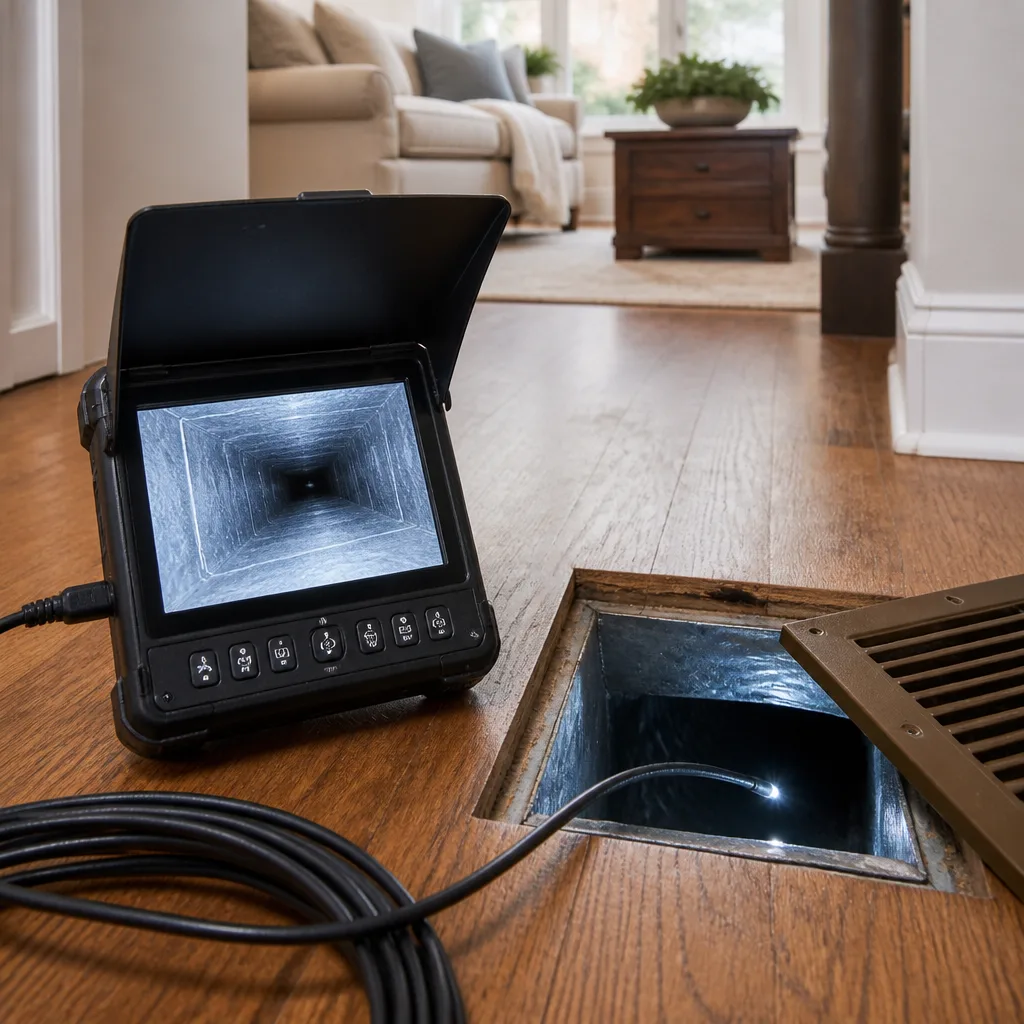 Camera inspection
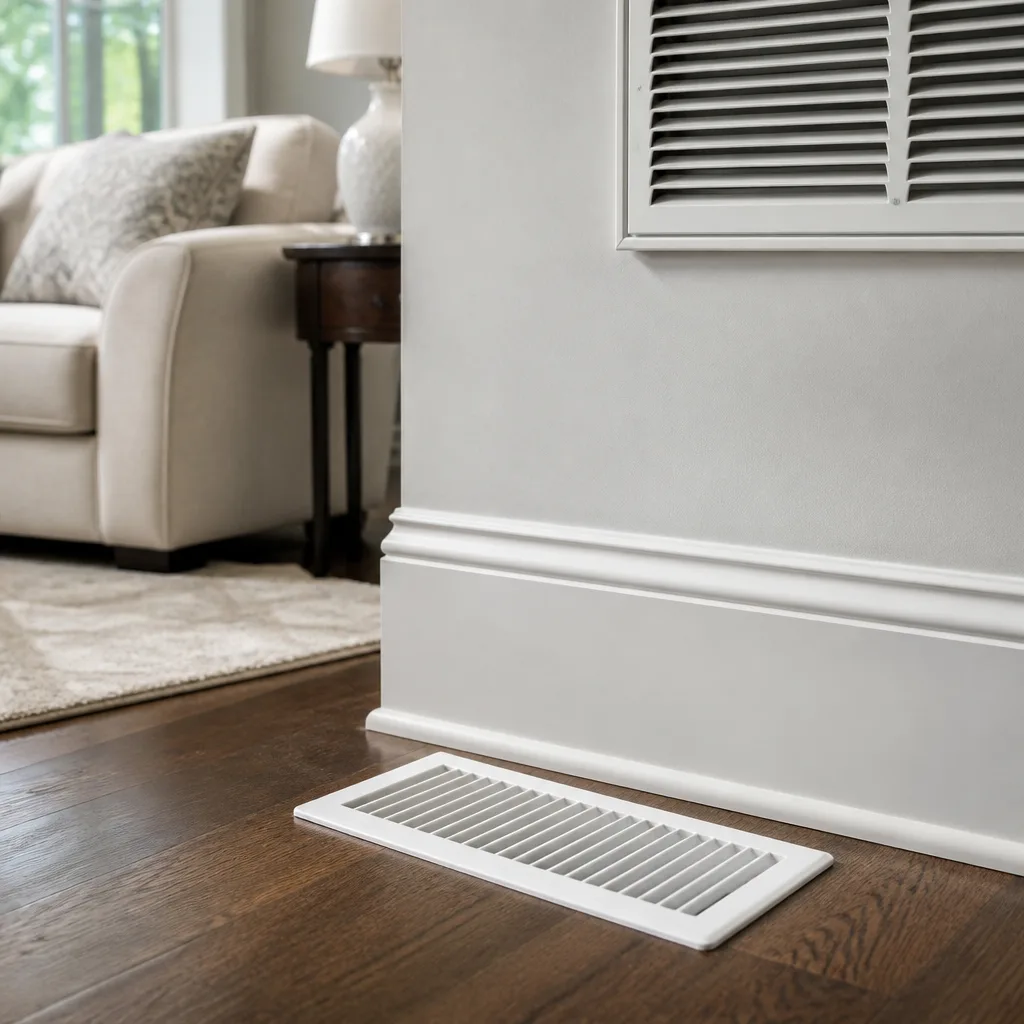 Sanitizing & deodorizing
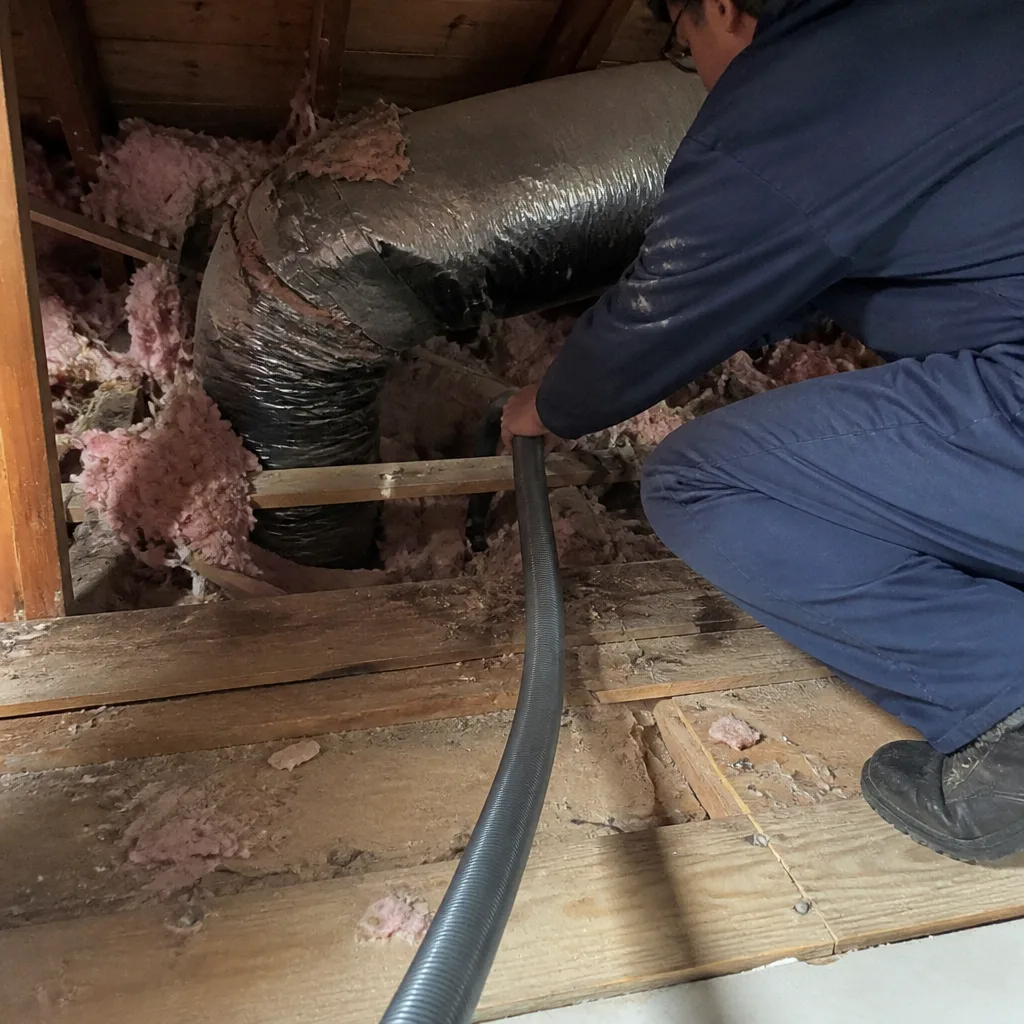
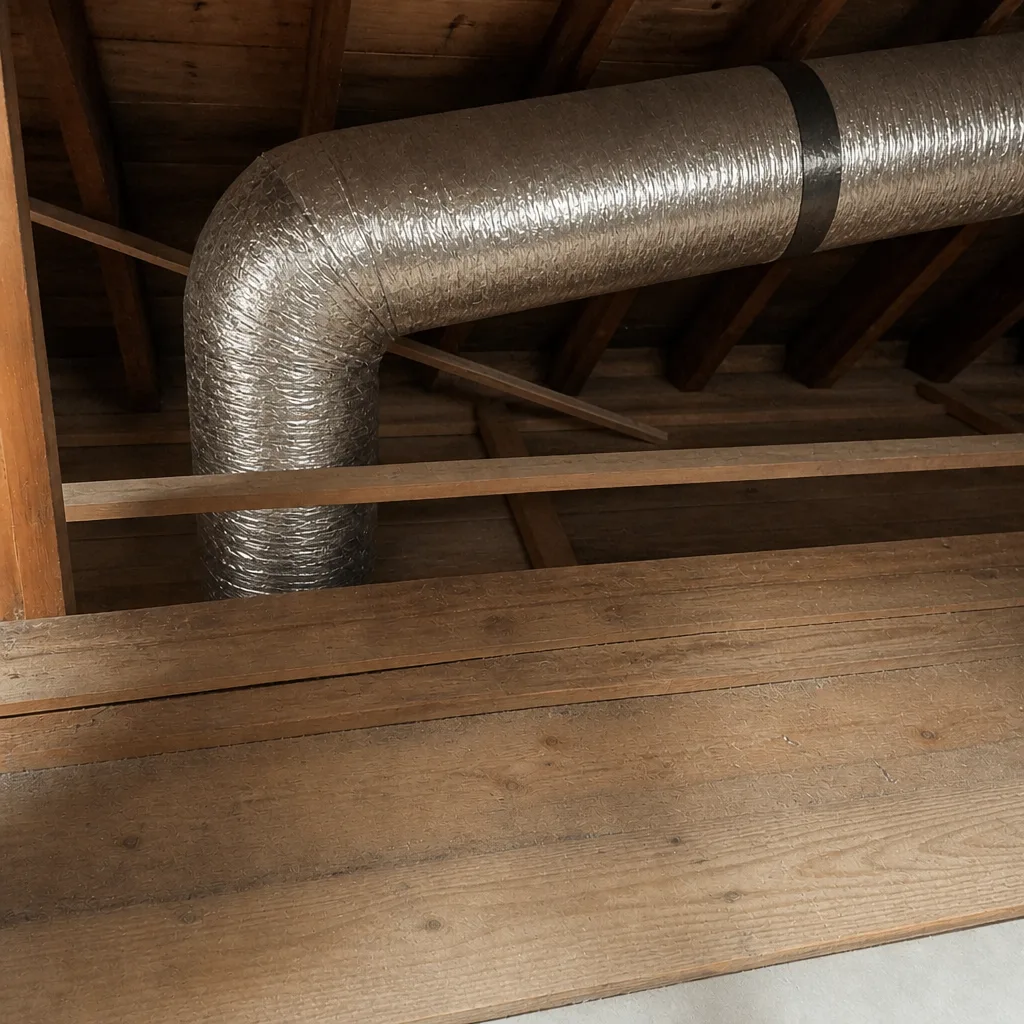
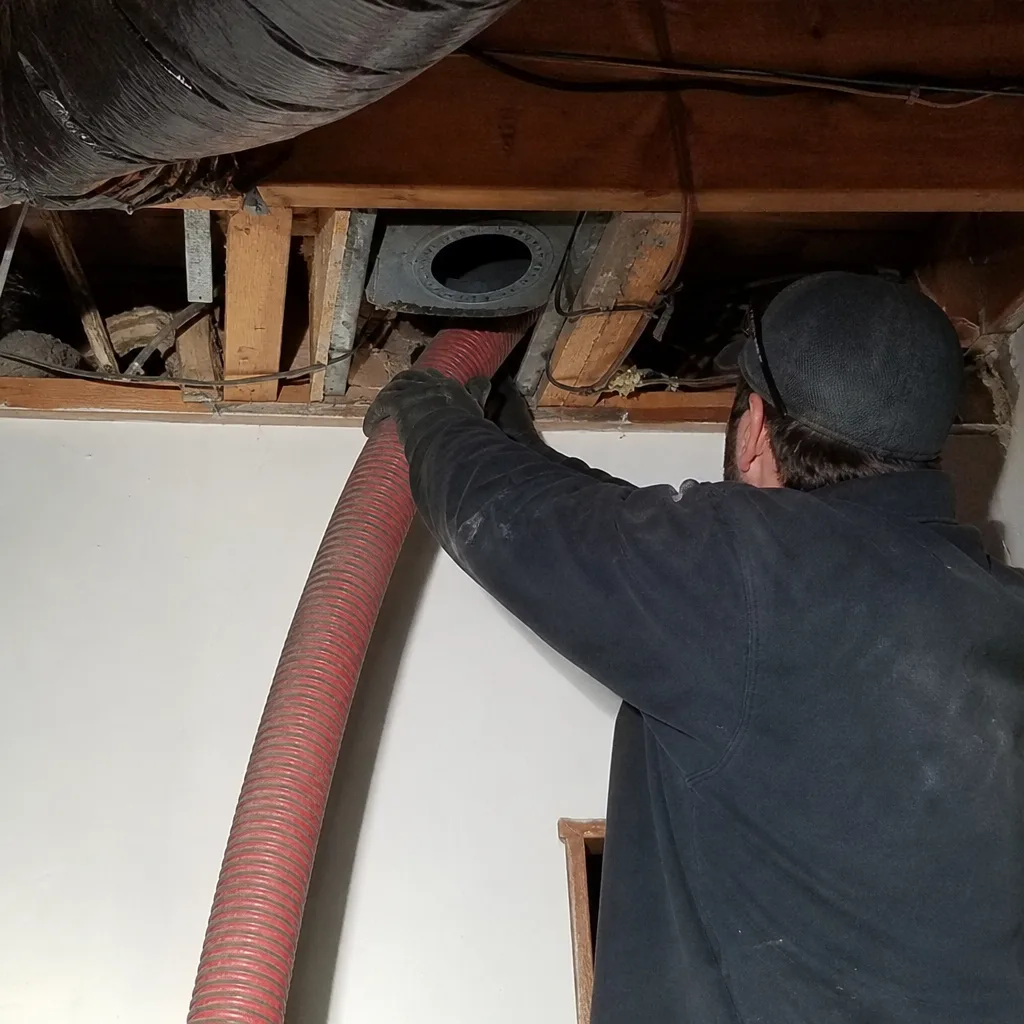
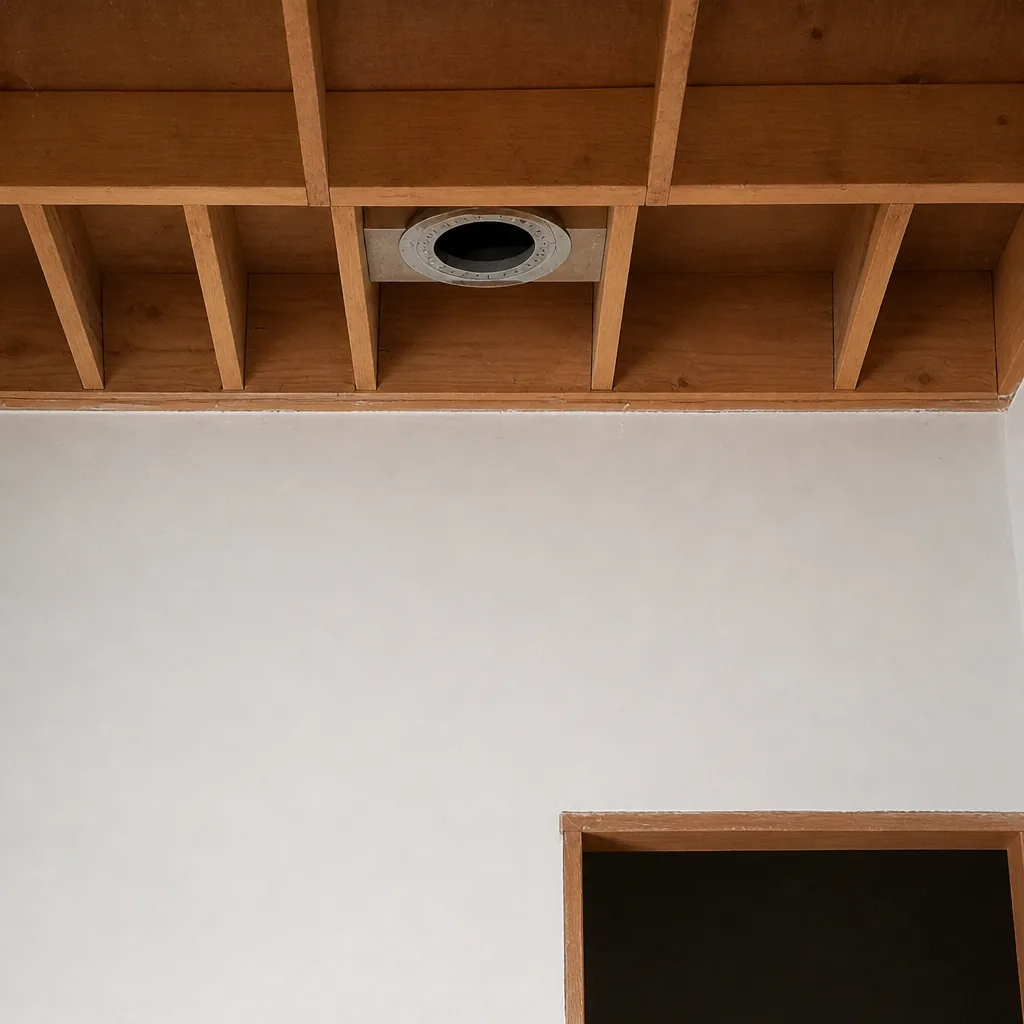
Whole-system duct and dryer vent check with before-and-after photos - you see exactly what came out of your vents
That "$99 whole-house special" is a bait ad - the real number appears once they are in your hallway, or the "clean" is a shop-vac at the register. We photograph the inside of your ducts before and after instead.
Air Duct Cleaning Permits, Codes & Inspections in Federal Way, WA: What You Need to Know
Here’s the part almost nobody explains before the truck pulls up: cleaning your ducts is maintenance, but repairing them is construction. The moment a technician cuts into the duct system to reach a blockage and patches the opening with mastic and mesh, that patch is a mechanical repair. Depending on the scope, a duct seal or a reroute can fall under Washington State mechanical code provisions that never apply to cleaning alone. Most homeowners in Federal Way don’t learn where that line sits until a problem surfaces later. This guide walks you through what requires a permit, what doesn’t, how duct sealing projects get classified, and what to ask any contractor before they touch your system.
Quick Answer
Routine air duct cleaning in Federal Way does not require a permit. Cleaning, vacuuming, and sanitizing the inside of an existing duct system is maintenance work and falls outside the City of Federal Way’s permitting process. Duct repair, sealing that changes system performance, and any alteration to the duct layout or connected equipment move into regulated territory under Washington State mechanical code (WAC 51-52), where permits and licensed contractor classifications come into play. Get the classification straight before work starts.
Styles & brands we work with
- Whole-home duct cleaning
- Dryer vent cleaning
- Camera inspection
- Sanitizing & deodorizing
Table of Contents
- Cleaning vs. Repair: Where the Line Actually Sits
- What Washington State Mechanical Code (WAC 51-52) Says About Ducts
- Federal Way Permit Thresholds for Duct Work
- How Duct Sealing and Injection Sealing Are Classified
- Cleaning Company Scope vs. Licensed HVAC Contractor Scope
- What to Ask Before Any Work Beyond Cleaning Begins
- What an Inspection Actually Looks Like in Federal Way
- Neighborhood Notes: How Federal Way Housing Shapes Duct Work
Cleaning vs. Repair: Where the Line Actually Sits
The distinction that matters most is the one almost no homeowner asks about until it’s too late: what counts as cleaning, and what counts as a mechanical alteration. Cleaning removes debris from inside a duct system that stays structurally unchanged. A mechanical alteration changes the system itself – the layout, the connections, the sealed envelope, or the equipment attached to it. Those are two very different categories under Washington code.
Here’s how the split looks in practice:
- Cleaning-only work: vacuuming supply and return runs, brushing duct walls, clearing the blower compartment, sanitizing interior surfaces. No permit required. No structural change to the system.
- Access cuts: a technician cuts a small opening in the duct to reach a blockage, then seals it afterward with mastic and mesh. The cut and reseal restores the system, but the documentation requirement depends on scope and who performs the work.
- Duct repair: closing disconnected joints, replacing crushed flex runs, patching holes from rodent or water damage. This is repair work performed on a mechanical system.
- Duct sealing: applying mastic or aerosolized sealant to close leaks across the system. Beyond a minor reseal, this can be classified as altering system performance.
- System modification: rerouting runs, adding a return, changing duct sizing, or making any change that affects how the system moves air. This is squarely in permit territory.
We point this out because we’ve watched homeowners get surprised when a small-looking repair turns into a paperwork question. The clean answer: cleaning stays maintenance, repair and modification are mechanical work, and the two don’t get to blur together. Any company presenting duct repair as if it were cleaning should raise a question in your mind.
What Washington State Mechanical Code (WAC 51-52) Says About Ducts
Washington State’s mechanical code, adopted through WAC 51-52, is the framework that governs duct systems installed and altered in the state. It doesn’t exist to make cleaning complicated – it exists to keep duct systems that move air through your home safe, sealed, and correctly installed. The provisions most homeowners encounter relate to duct construction, sealing requirements at joints, connection standards, and how the system integrates with the heating and cooling equipment.
Key points to understand:
- Cleaning is not an alteration. The code addresses installation and alteration of mechanical systems, not routine maintenance of an existing one.
- Sealing standards apply at joints and connections. Ducts are expected to be sealed at joints, seams, and connections where they meet equipment. When a repair disturbs those connections, the reseal has to meet the same standard.
- Alterations trigger the code. When duct work changes how the system is configured, the altered portion must comply with current mechanical code requirements, not just the code in effect when the house was built.
- Connection to the air handler matters. Duct work that touches the furnace, air handler, or heat pump connection point can pull that equipment’s installation standards into the scope.
- Local jurisdiction adopts the state code. The City of Federal Way adopts the Washington State mechanical code as its own. What’s permitted locally follows the state framework.
The practical takeaway is straightforward: a duct system that stays untouched stays a cleaning job. The minute the repair changes the system, the code comes into scope. Understanding that boundary protects you from a repair that gets done without the documentation it should have carried.
Federal Way Permit Thresholds for Duct Work
Federal Way follows the state mechanical code framework. Cleaning doesn’t require a permit. What does require attention is any duct work that qualifies as a mechanical alteration under that framework. The threshold question is whether the work changes the system or maintains it.
Work that stays outside permit territory:
- Interior cleaning of existing ducts, registers, and returns
- Sanitizing and deodorizing inside the duct system
- Clearing a blockage from an access point that gets resealed afterward
- Changing air filters or cleaning HVAC components
- Cleaning a dryer vent (a separate appliance exhaust, not part of the HVAC system)
Work that typically enters permit territory:
- Rerouting or adding duct runs
- Changing duct sizing to increase or reduce airflow
- Replacing significant lengths of duct (not just patching)
- Connecting new equipment to the existing duct system
- Any work that changes the system’s engineered design
The exact threshold for your property depends on scope, and this guide can’t replace the answer your city building department will give you for a specific project. What we can tell you is this: ask before the work starts. Call the City of Federal Way building department with your project description and get a straight answer on whether it needs a permit. Contractors who do this routinely will already know the answer. If a company tells you permit questions are irrelevant to duct repair, that’s a flag worth taking seriously.
Before, during, and after work, documentation is the thing that protects you. A written scope, before-and-after photos of the ducts, and a written description of what was changed all matter more than a verbal reassurance. For straight cleaning jobs across Federal Way, that documentation comes standard with a properly run air duct cleaning visit.
How Duct Sealing and Injection Sealing Are Classified
Duct sealing lives on the messy middle of the line we’ve been drawing. A technician applies mastic to a joint or a seam – that’s a repair. A technician injects aerosolized sealant into the system to close leaks across every run – that’s a system-wide alteration of how the duct system performs. The two are not the same job, and they don’t carry the same documentation expectations.
What’s worth knowing:
- Spot sealing – mastic or mesh applied to specific leaks – is repair. Small scope, local effect, done as part of a cleanup.
- Whole-system injection sealing changes the sealed envelope of the entire duct system. That’s a project-scale alteration that typically needs documentation of what was sealed and how performance changed.
- Sealing often runs into permit territory when it’s part of a larger duct modification rather than standalone leak repair.
- Documentation the City of Federal Way may expect for a sealing project includes the scope of work, the sealant product used, and a post-project verification of sealed joints and connections.
We carry duct repair and sealing as a dedicated service line, not a side note, because we’ve seen what happens when cleaning gets sold without repair. A duct system with disconnected joints and open seams will lose conditioned air no matter how thoroughly the ducts get cleaned afterward. Cleaning without sealing treats the symptom. Sealing treats the leak. Both matter, and the repair work belongs in the hands of a company that understands the code boundary and documents the work properly.
If you’re trying to sort out whether your system needs cleaning alone or cleaning plus repair, a professional assessment of the whole air pathway will answer that faster than any phone conversation.
Cleaning Company Scope vs. Licensed HVAC Contractor Scope
Not every company that cleans ducts is licensed to repair them. That’s the practical reality of the industry. A cleaning-focused company’s liability scope typically covers cleaning damage, foreign debris, and sanitizing chemistry. A licensed HVAC contractor’s scope covers mechanical work on the duct system: repair, alteration, sealing to code, and equipment connection. The two scopes are not interchangeable.
What this means for you as a homeowner in Federal Way:
- Ask what class of work the company is set up for. Cleaning-only companies are perfectly fine for cleaning. Duct repair is a different animal.
- Verify licensing classification before any repair. Washington classifies contractors, and duct repair on a mechanical system typically requires a licensed contractor with the appropriate classification. Confirm what that classification is before the job starts.
- Insurance matters when machines touch your system. Rotobrush and Nikro systems, the professional-grade equipment we use on every job, are powerful. So is the equipment a licensed contractor brings to repair work. Ask about insurance for both.
- Liability during cleaning is real. A cleaning technician who accidentally disconnects a duct joint while working carries liability for that damage – a properly run company will reseal it and document the fix. A cleaning company doing repair work it isn’t licensed for carries risk the homeowner bears.
- Equipment signals seriousness. Abatement Technologies negative-pressure containment isn’t a marketing term; it’s a compliance standard pulled from NADCA-aligned practice. When a company brings commercial-grade equipment, the scope of what they can safely handle expands with it.
None of this means a competent company can’t do both cleaning and repair. It means the two belong in a company that understands which side of the line each job sits on. When a duct cleaning job uncovers cracks at the air handler connection or a disconnected flex run, that find needs to go to a contractor set up to repair it properly – not be patched with whatever’s in the truck. We recommend treating that discovery the way you’d treat a plumbing leak: get it fixed by someone whose classification covers it.
For homeowners looking at the HVAC side of the system, the same logic applies. A properly scoped HVAC cleaning pulls the blower, evaporator coil, and drain pan into the picture, and any component repairs follow the same licensing rules as duct repairs.
What to Ask Before Any Work Beyond Cleaning Begins
Before a cleaning job turns into a repair job, these are the questions to ask. They’re the questions we’d want answered if the system were ours.
- What’s the classification of work you’re licensed to perform? Cleaning is maintenance. Repair is mechanical. Ask which the company is licensed for, and get an answer that includes their actual classification.
- Is a permit required for this specific repair? The answer depends on scope, but a competent contractor should know whether your project crosses the Federal Way threshold and be willing to say so.
- What documentation will I get? Before-and-after photos, a written scope, a description of materials used. If repair work is happening, ask for the scope in writing.
- Who’s doing the repair – the same crew or a specialized one? A company with repair capability can handle both. A cleaning-only company should be upfront that the repair needs to go elsewhere.
- What’s the written estimate cover, and what happens if the scope changes? Per-system pricing agreed before work starts protects you. So does a written statement that additions get approved before they’re added.
- What equipment are you using? Rotobrush and Nikro for cleaning, Abatement Technologies for containment, Honeywell and Aprilaire for air quality treatment. If the brand names aren’t familiar to the company, that tells you something.
- Will you seal the access cut when you’re done? If a technician cuts into the duct to reach a blockage, that opening needs proper resealing. Ask how.
We spend this much time on these questions because we’ve been on both sides of them. Cleaning followed by a reseal that wasn’t documented. Repair work done by a company that wasn’t classified for it. Duct sealing billed as cleaning. When the answers to those questions are clear before work starts, those problems don’t happen.
What an Inspection Actually Looks Like in Federal Way
Two kinds of inspection matter here. The first is a system inspection – what a technician sees inside the ducts to determine whether cleaning is needed and whether any repair shows up during the work. The second is a jurisdictional inspection – what the City of Federal Way requires when a permit was pulled for duct work. They’re different processes serving different purposes.
A system inspection covers:
- Visual check inside accessible duct runs using a camera
- Blower and air handler compartment
- Return air pathways and registers
- Signs of disconnection, crushed runs, or leaks at joints
- Airflow measurement at key registers
A jurisdictional inspection happens only when a permit was needed for the work. If a repair crosses the Federal Way permit threshold, the inspecting authority verifies the work meets code. That inspection isn’t the cleaning company’s job; it’s the permitting authority’s. Contractors who pulled a permit expect it and schedule the work with it in mind.
What to expect from a professional system inspection on a Federal Way home:
- Walkthrough of the system layout and accessible duct runs
- Camera inspection of interior duct surfaces at key points
- Blower compartment and return air check
- Written finding of anything that needs repair, with photos
- Clear split between cleaning scope and repair scope, priced separately
We put this step in front of every job because cleaning without inspection is guesswork. A home on the West Hylebos side of town with a crawl-space duct system has very different access and repair potential than a newer build off Pacific Highway South with a garage-mounted air handler.
Neighborhood Notes: How Federal Way Housing Shapes Duct Work
Duct systems in Federal Way are not all built the same way, and the differences show up in how cleaning and repair jobs play out. The mix of housing stock between older neighborhoods and newer construction shapes what a technician expects to find. Specific Federal Way pockets worth mentioning:
- Twin Lakes and Mirror Lake: Established neighborhoods with a mix of ages and construction styles. Duct systems here often run through crawl spaces, which makes them harder to inspect and gives leaks more room to hide. Cleaning jobs in this area frequently turn up disconnected flex runs and joint gaps from settling.
- West Hylebos and the Hylebos wetlands edge: Homes near the wetland corridor sit in a wetter microclimate. Crawl space humidity works on duct insulation and flex runs in ways that dry-side neighborhoods don’t see. That moisture matters when cleaning turns up deterioration rather than plain dust.
- Pacific Highway South corridor: The commercial spine of Federal Way. Light-commercial duct systems along this corridor tend to have more ductwork and higher air volume, which means cleaning jobs run longer and repair work gets scoped differently from residential.
- Newer construction on Federal Way’s east side: Tighter builds with more complex duct layouts – zoned systems, longer runs, and more connections at the air handler. Cleaning and inspection on these homes often require camera work and a careful check at every joint.
The Federal Way climate itself plays a role. Wet winters and cool shoulder seasons mean the heating system runs through most of the year, which accelerates dust accumulation and stresses joints that were never properly sealed. Ducts that would last a decade in a dry climate often show seal failures in half that time here. And on a cleaning job in a wet-season Federal Way home, leaking joints and disconnected runs are more common than you’d expect from the age of the home.
What this means for cleaning vs. repair:
- Older duct systems in Federal Way benefit from camera inspection before the cleaning scope gets agreed
- Homes near wetland areas need the moisture question answered – cleaning alone doesn’t fix deteriorated insulation
- Newer builds need the joint-by-joint check that a full-system cleaning includes
- Light-commercial systems benefit from a separate scoping conversation
Common Mistakes to Avoid
- Assuming duct repair is “just cleaning.” When a technician cuts into the duct system and patches it, that patch is a mechanical repair. Ask whether the company is licensed for that class of work before the cut happens. The answer may change what a Federal Way homeowner allows on site.
- Not asking about the permit threshold before work starts. Rerouting or replacing significant duct length can require a permit in Federal Way. Get the answer from the City of Federal Way building department before work begins, not after.
- Accepting a cleaning price that quietly includes patch repair. A low quote that comes with a mastic patch on a disconnected joint is a sign the repair scope wasn’t clear. Ask what’s cleaning and what’s repair, then get the repair on its own written estimate.
- Skipping the camera inspection. Cleaning without a camera check is cleaning blind. A professional inspection tells you what your Federal Way home’s ductwork actually needs before the invoice is set.
- Assuming negative-pressure containment is optional. Abatement Technologies equipment isn’t decorative – it keeps the cleaning session from pushing dust back into living space. Ask about it before the job starts.
- Letting an access cut go resealed by “someone.” If a technician cuts into the duct, the reseal is part of the job and part of the documentation. Confirm the reseal will be photographed and described.
- Taking a verbal “we’ll come back if anything leaks” as a guarantee. A written guarantee about the sealing work is what holds up. If the repair crosses into code territory, ask how the guarantee interacts with the permitted scope.
See the difference
 Before
 After
 Before
 After
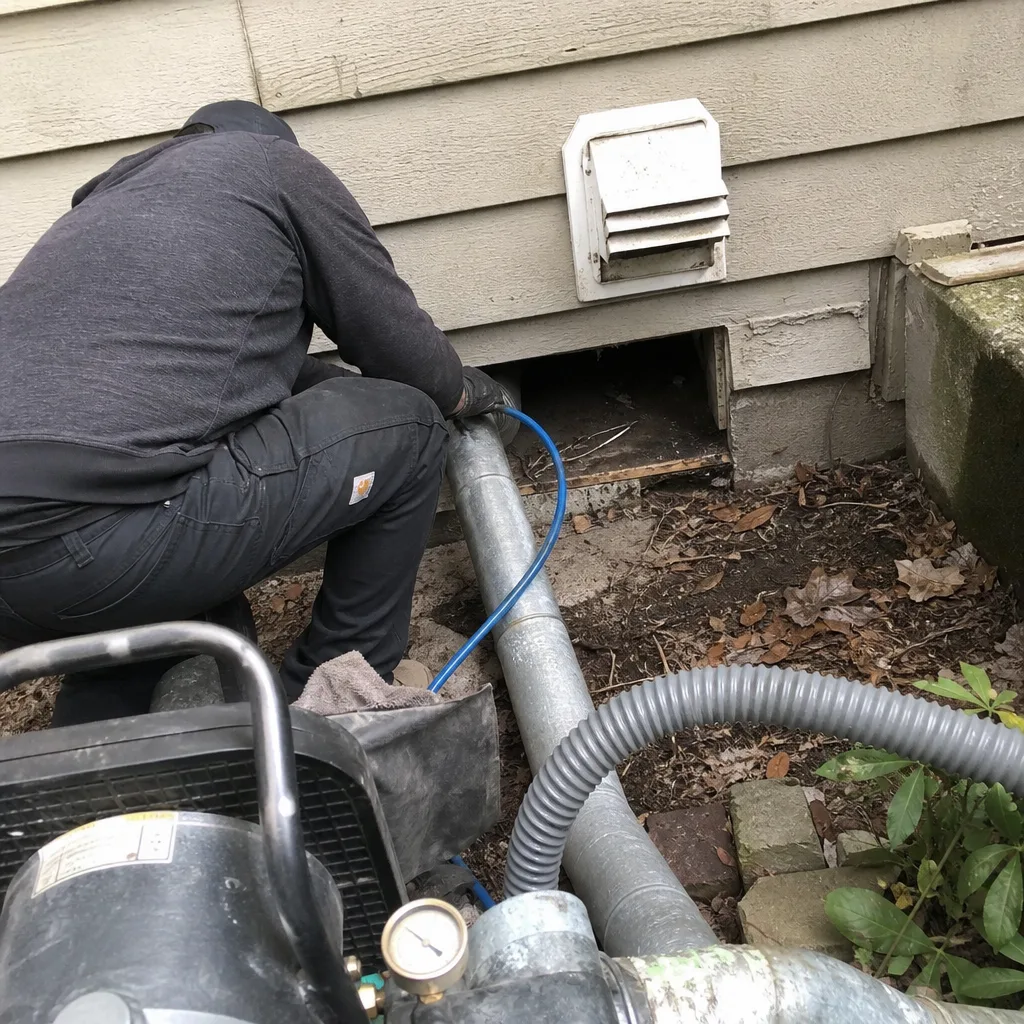 Before
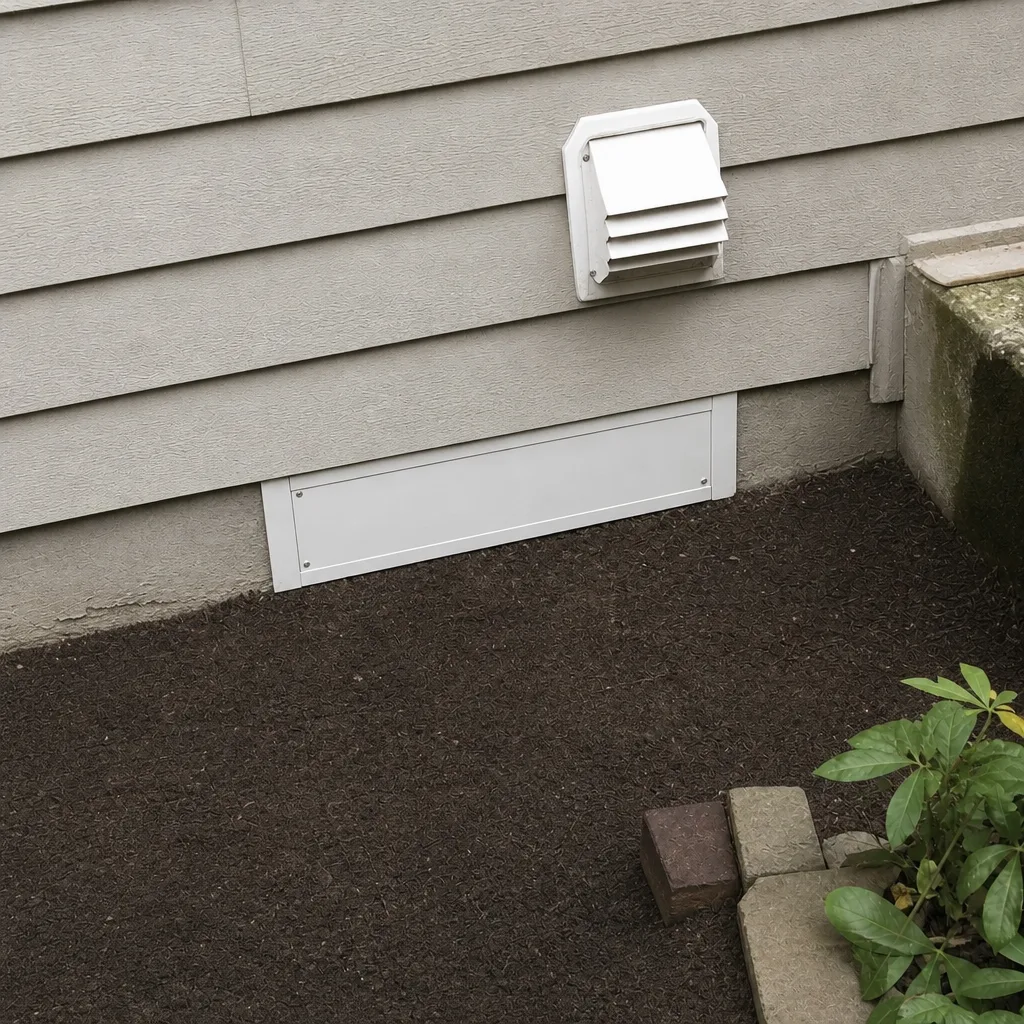 After
When to Call a Professional
You should call a professional duct cleaning company when you notice persistent dust, musty odors that don’t clear, allergen symptoms that follow you through the house, or a heating and cooling bill that’s climbing without a corresponding rise in usage. You should call immediately when you find disconnected duct runs, visible pest damage, wet insulation on the ducts, or a dryer vent that hasn’t been cleaned in years – the last one is a fire safety issue, not a cleaning convenience.
The other case where professional involvement matters: any Federal Way home where a cleaning job has turned up something that needs repair. If a technician finds a disconnected joint, crushed flex run, or a leak at the air handler connection, that finding needs a professional conversation about scope and documentation.
Federal Way Air Duct Cleaning Pros offers free estimates in Federal Way – call (833) 482-5931. We answer 24/7. Fast dispatch from 7am to 7pm, Sunday through Friday.
Frequently Asked Questions
No. Routine air duct cleaning in Federal Way does not require a permit. Cleaning is maintenance on an existing system, and it stays outside the City of Federal Way’s permitting process. Duct repair, sealing projects that alter system performance, and duct layout changes are the jobs that enter permit territory. Call (833) 482-5931 for a free estimate – estimates are free.
Whole-system air duct cleaning in Federal Way typically reflects the size of the system and the amount of accessible ductwork, not a per-vent rate. A single-family home runs within a moderate range, and larger homes or light-commercial systems sit higher. The written estimate sets the final price once the system has been inspected. Call (833) 482-5931 for an exact quote – estimates are free.
Cleaning removes debris from inside the duct system; repair alters or restores the system itself. Under Washington State mechanical code (WAC 51-52), cleaning is maintenance and repair is mechanical work. Repair work typically requires a licensed contractor with the appropriate classification, and a permit may be needed depending on scope. Cleaning alone doesn’t cross that line. Call (833) 482-5931 with your system details and we can talk through which category your job falls into.
Cheap quotes usually cover less work than you’d expect – a quick surface pass, no camera inspection, no documentation, and no repair capability if problems turn up. A properly scoped job covers the full air pathway with professional equipment, shows before-and-after photos of your own ducts, and prices the whole system at one flat rate agreed before work starts. Ask what’s included before comparing prices. Call (833) 482-5931 for a free estimate that spells out the scope.
For most Federal Way homes, a duct cleaning interval of several years reflects normal use – not an annual event. Homes near the Hylebos wetlands, homes with pets, homes with allergy sufferers, and light-commercial systems on Pacific Highway South benefit from a more frequent check. The right answer depends on the system, not a calendar. Call (833) 482-5931 and we’ll talk through your home’s specifics.
Ask three things: what class of work they’re licensed to perform, whether the repair needs a permit in Federal Way, and how the reseal will be documented. A technician cutting into the duct for access and resealing it afterward is doing mechanical repair, not cleaning. If the company can’t clearly answer the licensing question, wait. Call (833) 482-5931 and we’ll walk through the scope on your system – estimates are free.
The Bottom Line
The line between cleaning and repair is the line that matters in Federal Way. Cleaning stays maintenance and needs no permit. Repair, sealing projects that change system performance, and duct layout changes fall under Washington State mechanical code (WAC 51-52), where permits and licensed contractor classifications come into scope. Ask the classification question before work starts, get the scope in writing, and insist on documentation – before-and-after photos, camera inspection, and a description of any repair. Whether your job is cleaning, repair, or both, the Federal Way Air Duct Cleaning Pros approach is one flat price per system, agreed before work begins, with the full air pathway covered. A properly cleaned and sealed system is the one that keeps Federal Way homes breathing easy.
If your dryer vent hasn’t been checked recently, that’s a separate but equally important job – dryer vent cleaning during the same visit costs less than a second trip.
Call (833) 482-5931 for a free estimate. We answer 24/7. Fast dispatch from 7am to 7pm, Sunday through Friday. Our technicians have up to 9 years of experience, and the local pro we connect you with is licensed and insured as their state requires.
Written by the team at Federal Way Air Duct Cleaning Pros.