
Last updated November 25, 2026
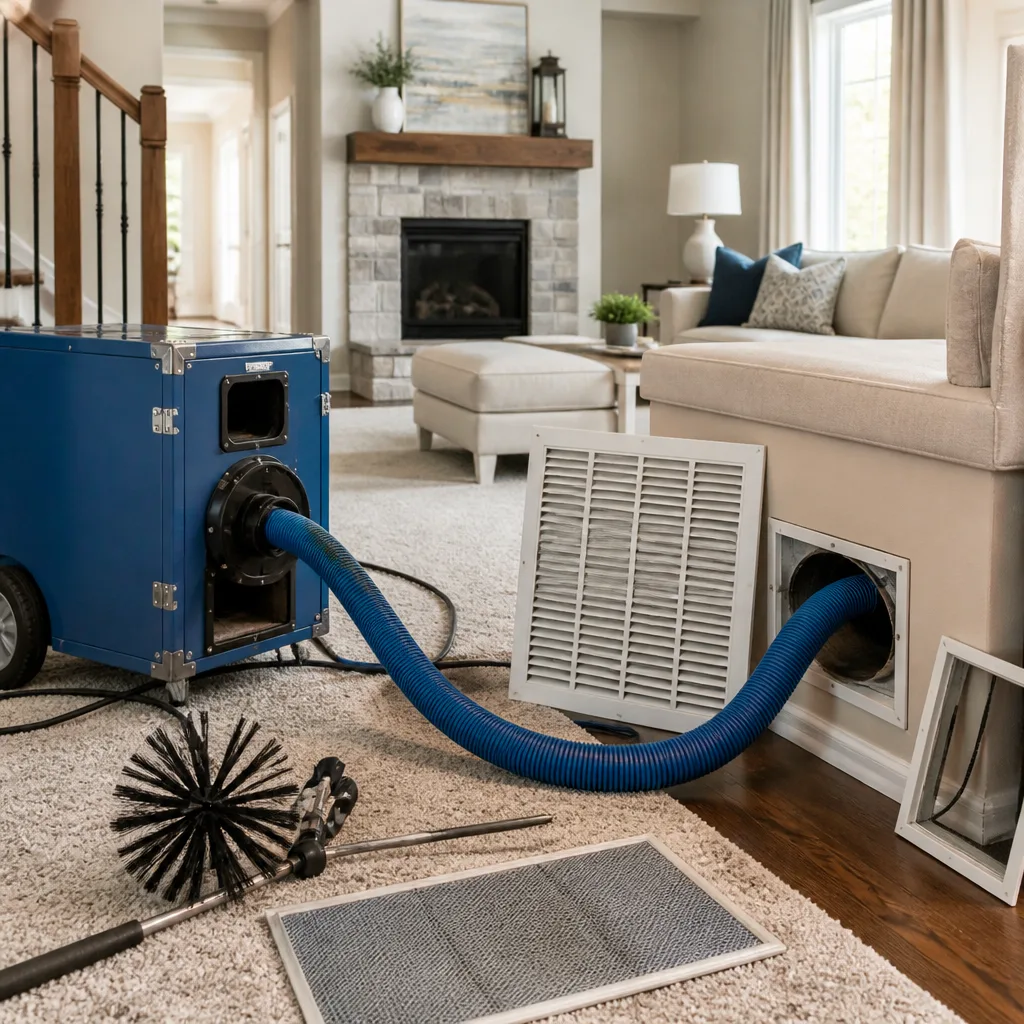 Whole-home duct cleaning
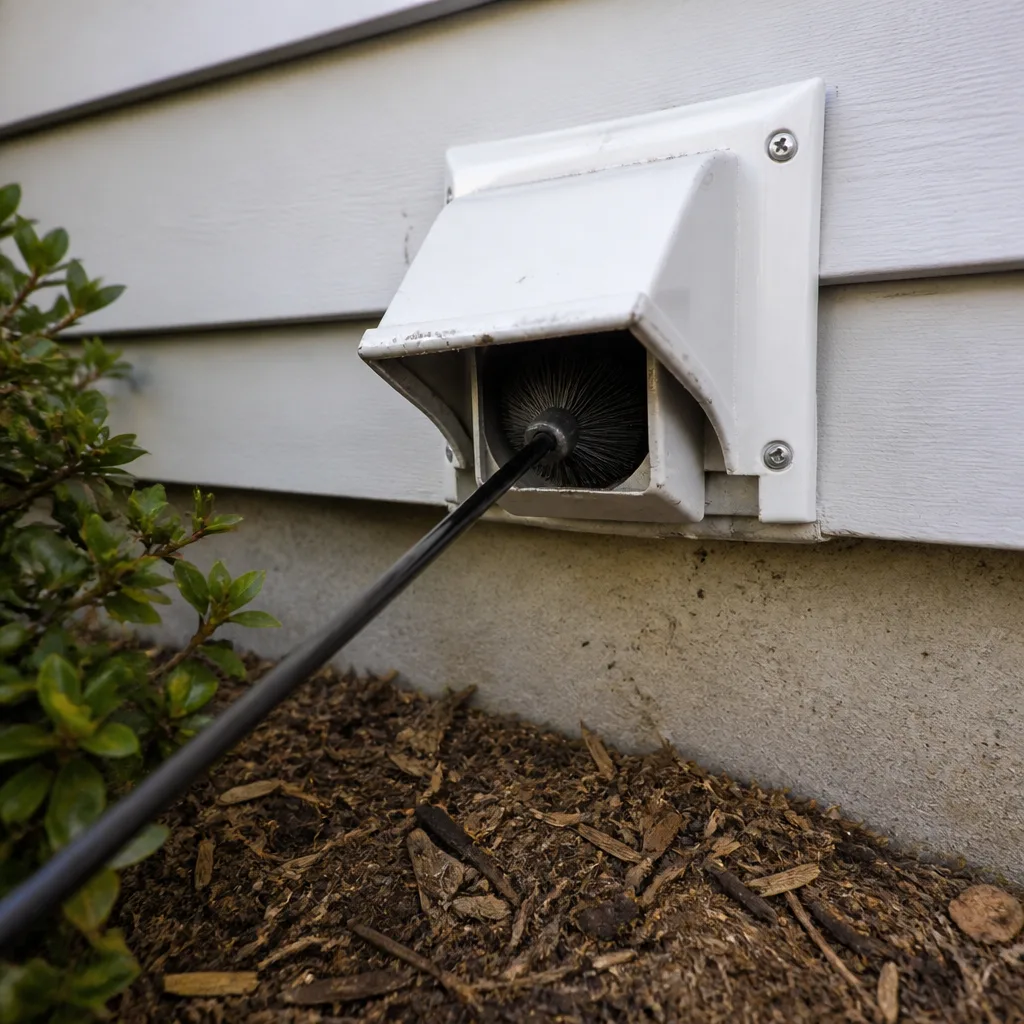 Dryer vent cleaning
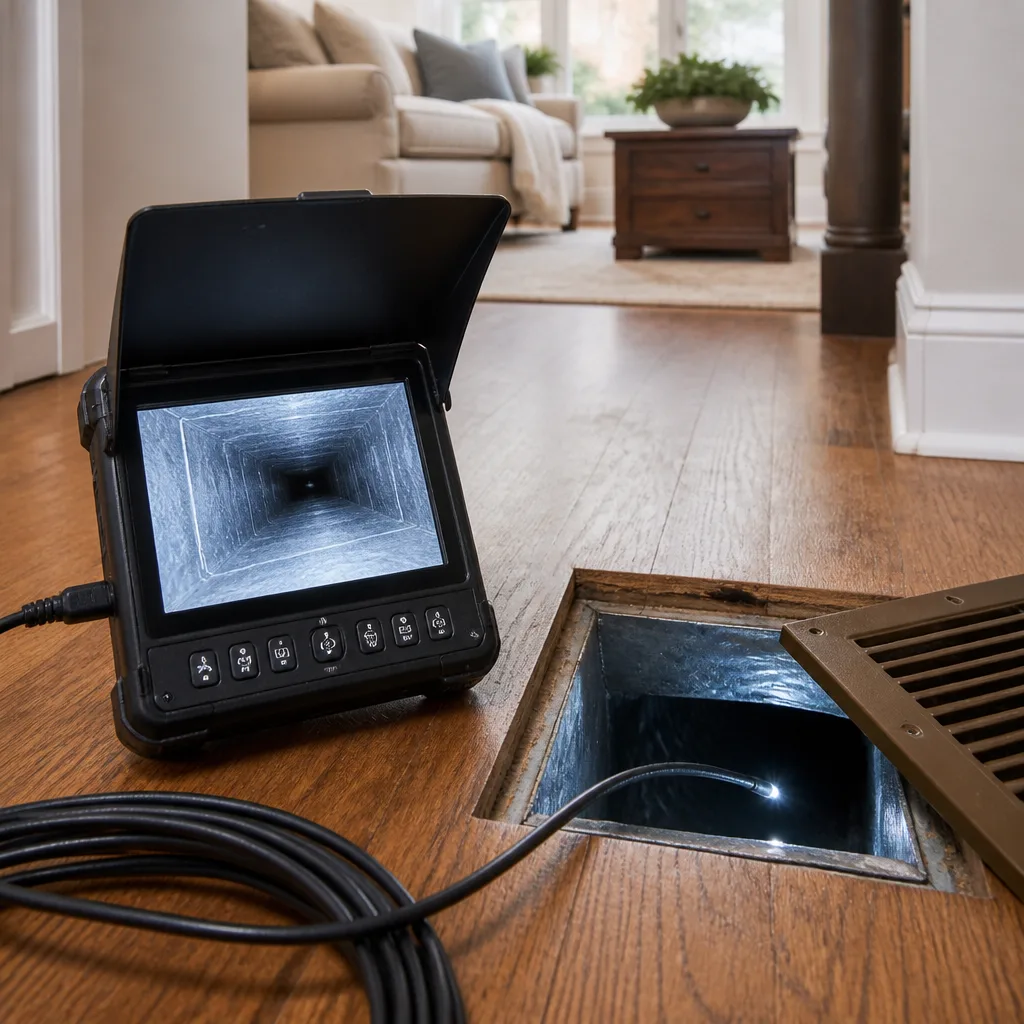 Camera inspection
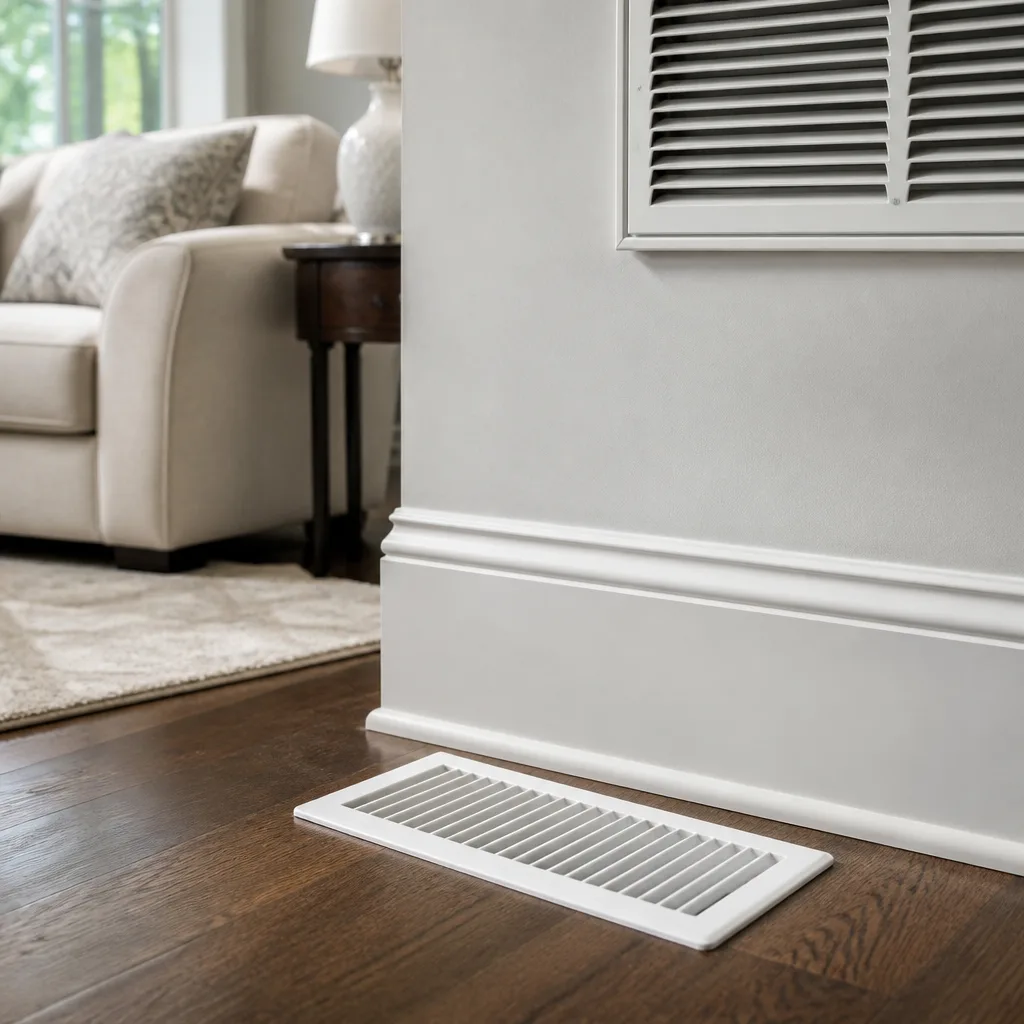 Sanitizing & deodorizing
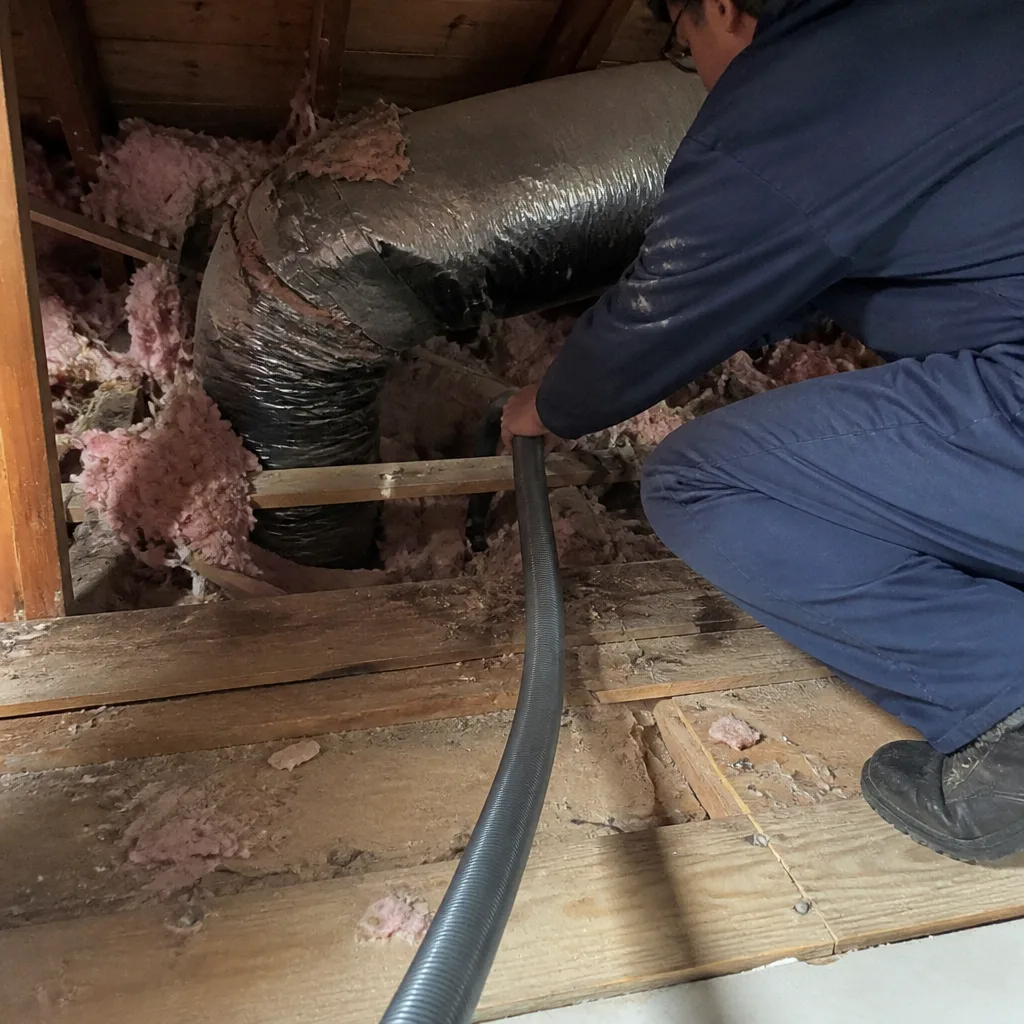
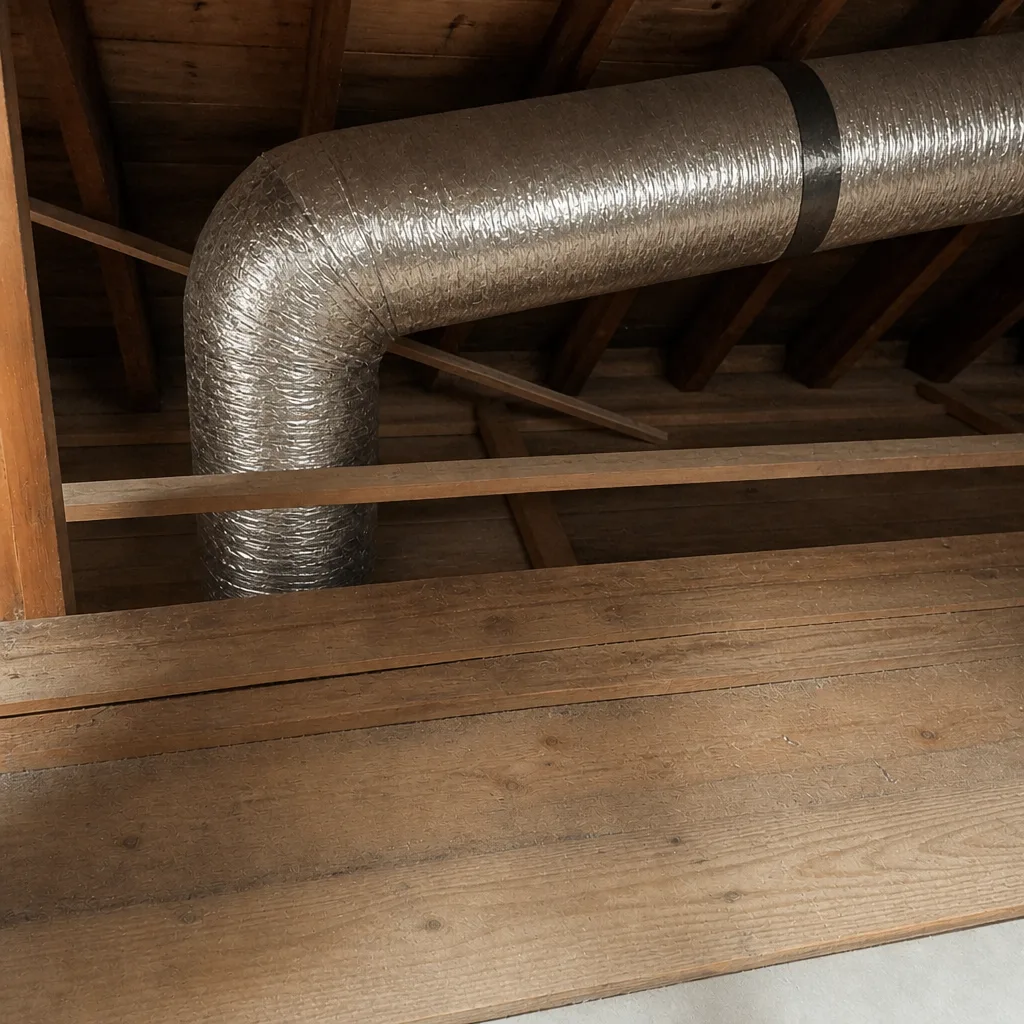
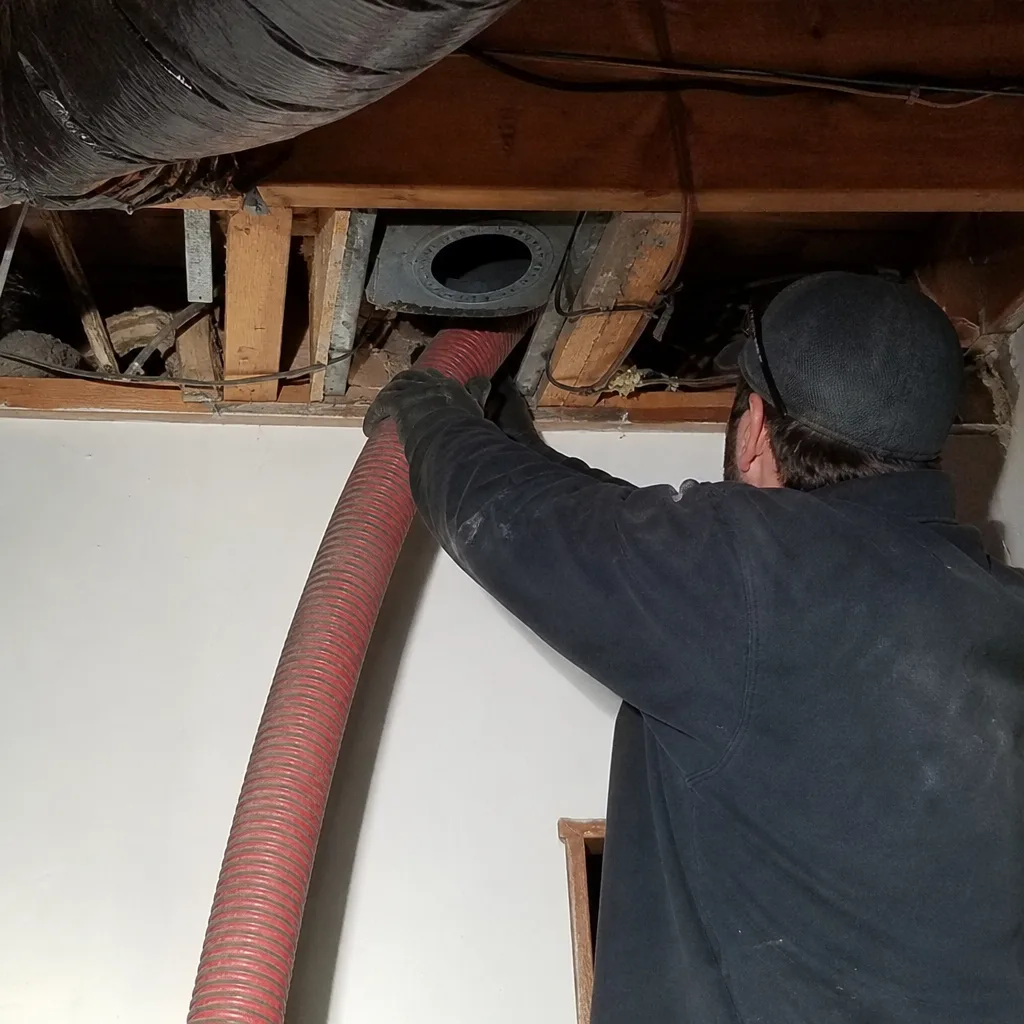
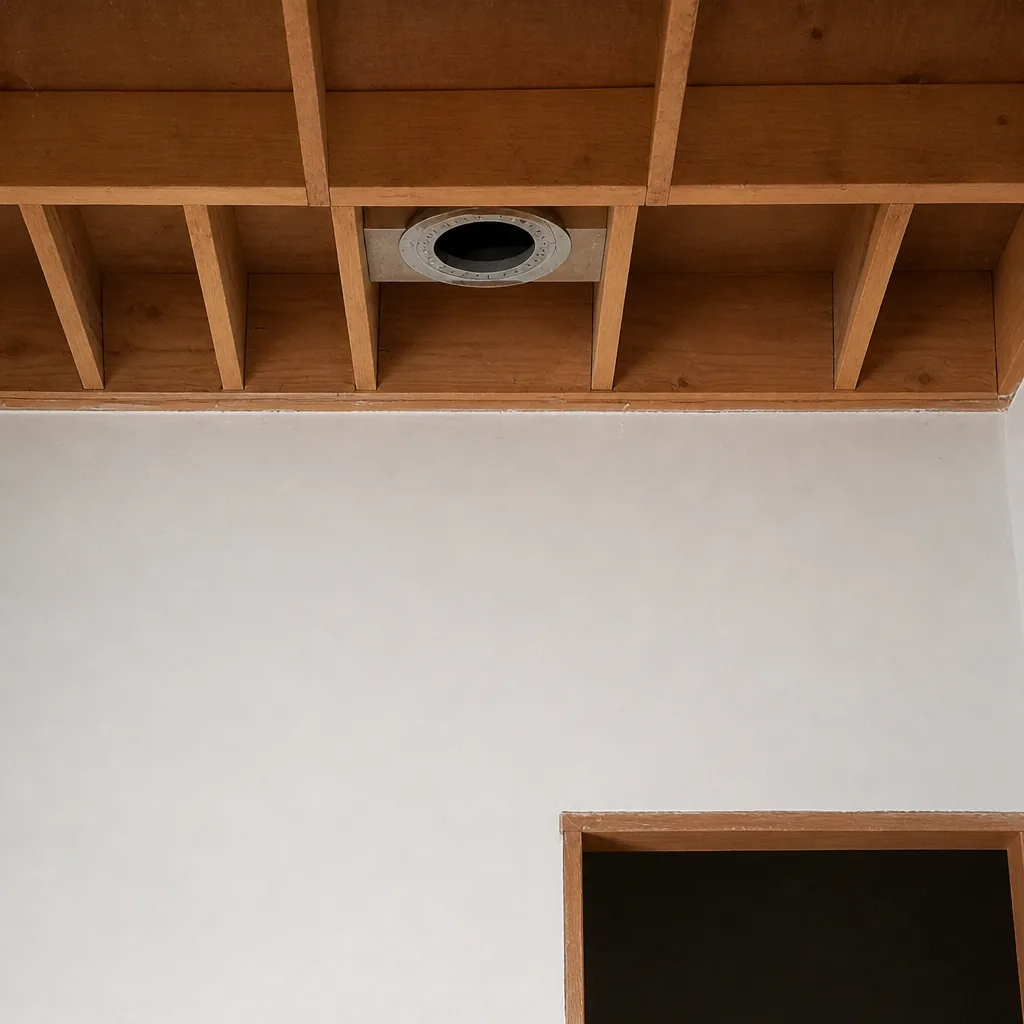
Whole-system duct and dryer vent check with before-and-after photos - you see exactly what came out of your vents
That "$99 whole-house special" is a bait ad - the real number appears once they are in your hallway, or the "clean" is a shop-vac at the register. We photograph the inside of your ducts before and after instead.
How to Hire an Air Duct Cleaning Contractor in Federal Way: A Step-by-Step Guide
A $99 whole-house duct cleaning offer is almost always a contact-vacuum job on the register covers only. The main trunk lines, the plenums, and the return boxes go untouched, and the homeowner has no way to tell the difference without climbing into the crawlspace afterward. That’s the uncomfortable truth about this trade: there is no universal licensing requirement for duct cleaning, which means the proposal in your inbox from a certified professional and the one from a guy with a pressure washer and a shop vac can look nearly identical on paper. This guide gives you a concrete vetting framework based on equipment, process, and verifiable credentials, written from Federal Way by people who do the work at full scope.
Quick Answer
To hire an air duct cleaning contractor in Federal Way, verify the equipment by name (Rotobrush, Nikro, or similar professional-grade systems with a containment setup), ask for a written scope that lists trunk lines, plenums, and return boxes, and require before-and-after photos as part of the agreement. Anyone who can’t answer equipment and scope questions in specific terms is quoting a surface job, not a full-system cleaning. Get two or three written proposals, compare line items, and confirm certification claims are actually checkable.
Styles & brands we work with
- Whole-home duct cleaning
- Dryer vent cleaning
- Camera inspection
- Sanitizing & deodorizing
Table of Contents
- Why duct cleaning has no universal license
- What NADCA membership and ACR compliance really mean
- The equipment questions to ask before you book
- How to evaluate a quote scope line by line
- Red flags in the South King County market
- What a legitimate post-service report includes
- The seven-step vetting process
Why Duct Cleaning Has No Universal License (And What That Means for You)
Most trades in Washington are gated by a state license. Electricians need one. Plumbers need one. General contractors need one. Duct cleaning, in most jurisdictions including Federal Way, does not require a dedicated license to perform the work itself. That regulatory gap is the reason the market on any given week can include a trained technician with proper containment equipment and a guy whose entire business is a Honda Civic and a wet-dry vac from a hardware store.
That doesn’t mean anyone can claim anything they want. It means the burden of vetting falls on the buyer, not a state board. Federal Way homeowners need to know what to ask because no agency is going to do the asking for them.
The practical implication is this: paperwork and certifications matter more in this trade than in most others, precisely because they’re optional. A contractor who voluntarily holds NADCA membership, carries liability insurance, and offers a written photo report is signaling something. A contractor who waves off those requests with “we don’t need that” is signaling something else.
We’ve spent enough time in crawlspaces around Federal Way to know what the aftermath of a bad cleaning looks like: dust redistributed into the return plenum, register boots still packed with debris, and a homeowner who paid for a service that made no measurable difference. The vetting framework below exists to help you avoid being that homeowner.
What NADCA Membership and ACR Compliance Actually Require
NADCA – the National Air Duct Cleaners Association – publishes the ACR standard, which is the one verifiable benchmark the industry has. The standard governs source removal, containment, and post-cleaning verification. It’s the difference between “we clean ducts” and “we clean ducts to a documented procedure.”
What ACR compliance actually requires of a contractor:
- Source removal rather than chemical encapsulation of debris in place
- Negative pressure containment so dislodged debris doesn’t migrate into the living space
- Cleaning of the entire system, including trunk lines, branch runs, return plenums, and register boots
- Post-cleaning verification, often documented with photographs
- Proper containment materials and HEPA or equivalent collection equipment
What NADCA membership is not: a certification that guarantees quality, and not a substitute for asking about equipment. A contractor can be a member and still send a crew that short-cuts the plenum. Membership is a filter, not a finish line.
Federal Way homeowners should ask directly: “Are you a NADCA member, and can you walk me through how you comply with the ACR standard on a job like mine?” A contractor who can answer that question in specifics is worth talking to further. One who pivots to a sales pitch is not.
We use Abatement Technologies containment equipment because it supports the negative-pressure approach the ACR standard describes, and we’re transparent that this equipment is how we hold the standard, not proof of it. Ask any Federal Way contractor the same question and see how they answer.
The Equipment Questions to Ask Before You Book
Equipment is where the vetting actually happens. A $99 mailer and a $900 full-system job use different machines, and the machine determines what the job really is. Ask these questions specifically, and don’t accept vague answers.
1. Is the vacuum truck-mounted or portable?
Neither is automatically better for a Federal Way home. A truck-mounted unit delivers higher airflow but needs hose access to the system, which is easy on some homes and difficult on others. A portable professional unit – like a Rotobrush or Nikro system – is engineered for residential work and is usually the right answer for a house on a tight lot or a townhome with limited hose run. The point is that the contractor should know which they’ll use and why.
2. What’s the CFM rating on the vacuum?
CFM stands for cubic feet per minute. Higher CFM means more air moving through the system during cleaning, which means debris is more likely to leave the ductwork with the vacuum rather than settle back. A shop vac pulls nowhere near the airflow of a professional unit. Ask the number and see if they can give it. Rotobrush and Nikro systems are rated for airflow that residential utility vacuums can’t match.
3. What agitation tools are used for each duct material?
Duct material dictates the tool. Rigid metal ductwork tolerates a whipping cable or rotary brush. Flexible duct needs a softer approach, because aggressive agitation can tear the inner liner and create a worse problem than the dust. A contractor who uses one tool for every material regardless doesn’t understand the trade. Ask: “What do you use on flex duct versus rigid metal, and how do you handle ductboard?” The answer should differ by material.
4. Is there a containment setup, and what does it look like?
Containment is the negative-pressure setup that keeps dislodged dust out of your living room. Without it, cleaning a Federal Way home’s ductwork mostly means moving dust from inside the ducts to the air you’re breathing during the job. Abatement Technologies equipment exists for exactly this reason. Ask to see the containment setup before work begins.
If the technician shows up with a shop vac on a dolly and no containment, the job is not a full cleaning regardless of what the invoice says. Call (833) 482-5931 if you want to talk through what a properly equipped team brings to a Federal Way home – estimates are free and the conversation is direct.
How to Evaluate a Quote Scope Line by Line
A duct cleaning quote is essentially a list of what will be cleaned, and the line items tell you what won’t be. Any line item missing from the quote is work that won’t happen, regardless of the language in the marketing.
A complete quote for a Federal Way home should include:
- Main supply trunk lines – the large ducts carrying air from the furnace or air handler
- Branch supply runs – the individual runs to each room’s registers
- Return air ducts and the return plenum – the pathway bringing air back to the system. This is the most commonly skipped line item.
- Register covers and boots – the grilles and the transition boxes behind them
- Air handler and blower compartment – the fan and the cabinet it sits in. Debris settles here and gets redistributed.
- Evaporator coil area – where qualified; ask how they handle it if it’s not in scope
- Before-and-after photographs – as a deliverable, not a courtesy
When a quote is missing several of those line items, the absence is the message. “Register cleaning” or “surface cleaning” language often means the truck-mounted vacuum never touches the trunk lines. If the quote lists a number of vents rather than naming duct components, the job is priced per vent and likely scoped per vent, which is not a full-system clean.
Ask for the quote in writing with those components named. Then compare proposals on line items, not the final number. Two quotes $300 apart can represent two completely different scopes, and the cheaper one is usually the one missing the return plenum and the air handler.
Before booking any Federal Way contractor, ask one final question: “Who performs the work, and what are their credentials?” If the actual crew is a rotating group of subcontractors, the equipment quality depends on the day, and the accountability is diffuse. If you want to talk through air duct cleaning and what a complete scope looks like in this market, we’re happy to walk through it with no pressure.
Red Flags in the South King County Market
South King County sees a regular flow of duct cleaning operations built around a coupon funnel. The pattern is consistent enough that Federal Way homeowners should be able to spot the shape before the pitch starts.
- Door-to-door solicitations after a recent HVAC-related repair or install. Legitimate duct cleaning isn’t sold by knocking. If someone shows up uninvited offering a “today only” rate, that’s a red flag regardless of how professional they look.
- Extreme coupon pricing. A deeply discounted “whole-house” cleaning offer that undercuts every competent crew in Federal Way by a wide margin is nearly always a contact-vacuum job or a bait-and-switch entry price. The real price arrives after the technician is inside your home.
- Vague answers to equipment questions. “We use the best equipment” is not an answer. “Rotobrush with HEPA containment” or “truck-mounted unit with 4,000-plus CFM” is. If they can’t name the equipment, they don’t want you to know.
- No written report or photo documentation offered. Competent contractors photograph ducts before and after. If the report is optional and photo evidence is refused, that’s the shape of a job that won’t be verifiable after it’s over.
- Sales pressure on sanitizing add-ons before any inspection. Sanitizing has a real place in a full-system job. Pushing it as an upsell before anyone has seen the ducts is a sales tactic.
- No physical address or verifiable legitimacy for the business. Ask for a business name, and check whether it’s a real, registered business before booking. In a market with no universal license requirement, the business footprint matters.
- Price changes at the door. A quote confirmed in writing should be the price. If it changes once the technician is inside the home, that’s the bait-and-switch pattern in its most direct form.
We’ve talked with Federal Way homeowners who booked a coupon job and found the register covers wiped clean but the trunk lines untouched. The wisest response isn’t anger – it’s a better vetting framework next time. Ask the equipment questions. Request the written scope. Require photos. Those three questions alone filter out most of the problem operators in this market.
What a Legitimate Post-Service Report Includes
A post-service report is the difference between a cleaning that’s verifiable and one that’s a claim. In Federal Way, where no state agency requires duct cleaning contractors to document their work, the report is the only accountability mechanism you’ll have after the crew drives away.
A proper report should include:
- Before-and-after photographs of the main trunk line, the return plenum, and at least two or three representative branch runs. Internal-duct photos are the standard, not just register-cover shots.
- A description of what was cleaned, listed by component, matching the scope of the original quote. If a component was skipped, it should be named and explained.
- Any conditions found that need attention – disconnected flex runs, gaps at the plenum, evidence of pest entry, damaged ductwork, or insufficient dryer vent clearance.
- Sanitizing documentation if a treatment was applied, including the product used. Honeywell, Aprilaire, and Guardsman product lines all have identifiable labeling.
- A written summary of the equipment used – which vacuum, which agitation tools, and whether containment was in place.
The report matters more than most homeowners expect because duct cleaning is a service you can’t see once it’s finished. Your light switches won’t glow. Your air handler won’t sing. The only evidence the work happened is the documentation. Without it, you’re trusting the invoice.
We photograph ducts before and after because the report is the contract, not a courtesy. When you compare Federal Way Air Duct Cleaning Pros against any other proposal, ask the other contractor for the same thing and see how they respond. The answer tells you almost everything.
The Seven-Step Vetting Process
Here’s the process in order. Follow it once, and the comparison between contractors becomes obvious.
Step 1: Get referrals from people who’ve used a Federal Way contractor in the last couple of years
Personal referrals beat reviews every time because the person you’re asking has seen the actual work. Ask specifically what the post-service report looked like, not just whether they were happy. If they can’t remember, the report probably wasn’t provided.
Step 2: Ask each contractor whether they’re a NADCA member
NADCA membership is verifiable through the association’s public directory. Ask, then verify. A contractor who claims membership and isn’t listed is a hard stop.
Step 3: Ask the equipment questions in writing
Ask in email: what vacuum, what CFM, what agitation tools, what containment equipment. Save the answers. A contractor who won’t answer in writing hasn’t answered.
Step 4: Request a written scope of work
The scope should list every duct component by name – trunk lines, branch runs, return plenum, air handler, registers, boots. If it lists a number of vents instead, that’s a per-vent job and likely a surface clean.
Step 5: Confirm that before-and-after photographs are part of the agreement
Not “we usually take photos.” Part of the written agreement. If photography is refused, the job isn’t verifiable.
Step 6: Ask about insurance and business registration
A real contractor carries liability insurance. Ask for the certificate. In a market without a universal license requirement, insurance is one of the few hard floors that separates a real business from a person with a machine.
Step 7: Compare proposals on scope, not price
Two estimates $300 apart can represent two completely different jobs. Compare every line item. If the cheaper quote is missing the return plenum, the air handler, and the containment setup, it’s not cheaper – it’s a smaller job.
If a proposal fails any of the seven steps, move on. Federal Way has enough competent contractors that you don’t need to talk yourself into one that won’t answer questions. Call (833) 482-5931 if you’d like a free estimate from us to compare against the others on your list. We answer 24/7. Fast dispatch from 7am to 7pm, Sunday through Friday, and the estimate itself costs nothing.
What a Full-System Scope Includes Beyond Ducts
Duct cleaning is often the headline, but the full air pathway in a Federal Way home runs longer than most homeowners realize. A complete scope of work can and should include the following, and how a contractor handles each one is another vetting signal.
HVAC cleaning. The air handler cabinet, the blower wheel, and the evaporator coil area collect dust that a duct-only cleaning leaves in place. If the air handler is skipped, the ductwork gets recontaminated every time the system runs. HVAC cleaning should be discussed in the same conversation as duct cleaning for a home where both need attention.
Duct repair and sealing. Cleaning a leaky duct system is like mopping a floor with a hole in the ceiling. Gaps at the plenum, disconnected flex runs, and failed mastic joints are common in Federal Way homes of a certain age, and a cleaning-only contractor will either not notice them or note them without offering to fix them. A contractor who can also seal the leaks addresses the root cause, not just the dust.
Dryer vent cleaning. This one is a distinct safety service, not an upsell. Lint accumulation in dryer vent runs is a documented fire hazard in residential homes, and the vent line is a separate pathway from the HVAC ductwork. When you’re vetting a contractor, ask whether dryer vent cleaning is available as a standalone service or only as a bundled add-on. The correct answer is standalone.
Air quality sanitizing. Post-cleaning sanitizing addresses microbes that a surface clean leaves behind. Honeywell and Aprilaire branded products are the standards to ask for, and the contractor should be able to tell you which product and why. Sanitizing without cleaning is marketing. Cleaning followed by sanitizing is the complete scope.
The Federal Way homes where the biggest post-cleaning difference is reported tend to be the ones where the contractor addressed all four of those in addition to duct cleaning – not because it’s a package, but because the home needed all of it. Ask any contractor you’re considering whether they can do all five services, and note whether they can do them all themselves or whether they’ll refer the work out.
What happens when you call
- 1
A real person answersNo phone trees – you reach a local pro.
- 2
You get an upfront price rangeHonest numbers before anyone is dispatched.
- 3
A background-checked tech heads outLicensed & insured, dispatched right away.
- 4
You approve before work beginsNothing starts until you say go.
How Federal Way Weather and Housing Shape the Job
The Pacific Northwest climate plays a real role in what’s in Federal Way ductwork. Homes here run heating systems for a long season, which means the ductwork carries more airborne debris across more months of the year than in milder climates. Rainy stretches also push people indoors, which concentrates cooking particulates, pet dander, and dust inside the home, all of which get pulled into the return system.
The housing stock matters as much as the climate. Federal Way has a wide range of home ages, from older construction with rigid metal ductwork and occasionally leaky joints to newer builds with more flexible duct runs. Flex duct requires a softer touch during cleaning, and it’s also more vulnerable to tears and disconnections that undermine efficiency. A contractor who doesn’t ask about duct material before arriving is a contractor who’s going to find out at the worst possible moment.
Crawlspace access is another factor in Federal Way. Some trunks and plenums sit in crawlspace runs that need specific containment to keep the workspace clear. Ask the contractor whether their containment setup handles a crawlspace install. The answer comes down to whether they have the equipment and the practice.
One more local consideration: dryer vent lines in Federal Way homes are frequently longer than homeowners assume, especially on two-story builds where the laundry sits opposite the exterior wall. The longer the vent run, the more lint settles along the way, and the more important it is to clear it on a real schedule rather than a reactive one.
How Much Should Duct Cleaning Cost in Federal Way?
You’ll see $99 coupons and $1,200 quotes in the same inbox, and both are honest prices for different jobs. Whole-system duct cleaning in the Federal Way market typically lands in a middle range once you specify the scope: main trunk lines, branch runs, return plenum, air handler and blower compartment, registers and boots, and before-and-after documentation. Register-only cleaning sits at the bottom of the market and isn’t the same service. A written estimate, arrived at after a walkthrough of the home, is what sets the final number – not a coupon.
What moves the price in Federal Way:
- Square footage and number of register runs – a 1,600-square-foot rambler and a 3,200-square-foot two-story job are different workloads
- Access – crawlspace, attic, or full basement changes time on site
- Condition – heavily contaminated systems or ones with pest evidence require more work
- Add-ons – dryer vent cleaning, duct sealing, sanitizing, and HVAC cleaning all change the total when bundled
- Equipment class – professional-grade systems like Rotobrush and Nikro carry a higher price than a contact-vacuum crew, and hire-quality work does
If a quote is dramatically lower than the others in the pile, ask what’s not included. The answer is usually the answer.
Call (833) 482-5931 for a free estimate if you want a written number to compare against the rest of your list. We answer 24/7. Fast dispatch from 7am to 7pm, Sunday through Friday.
See the difference
 Before
 After
 Before
 After
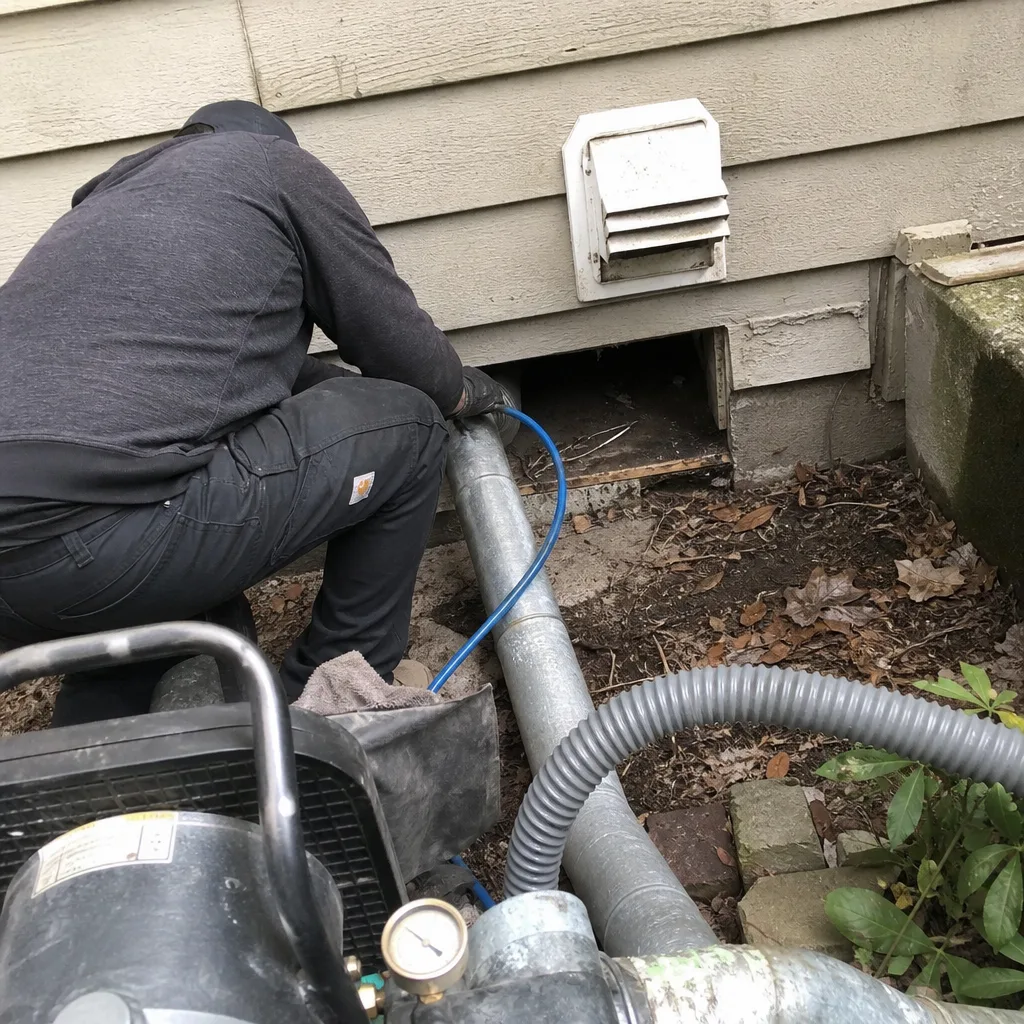 Before
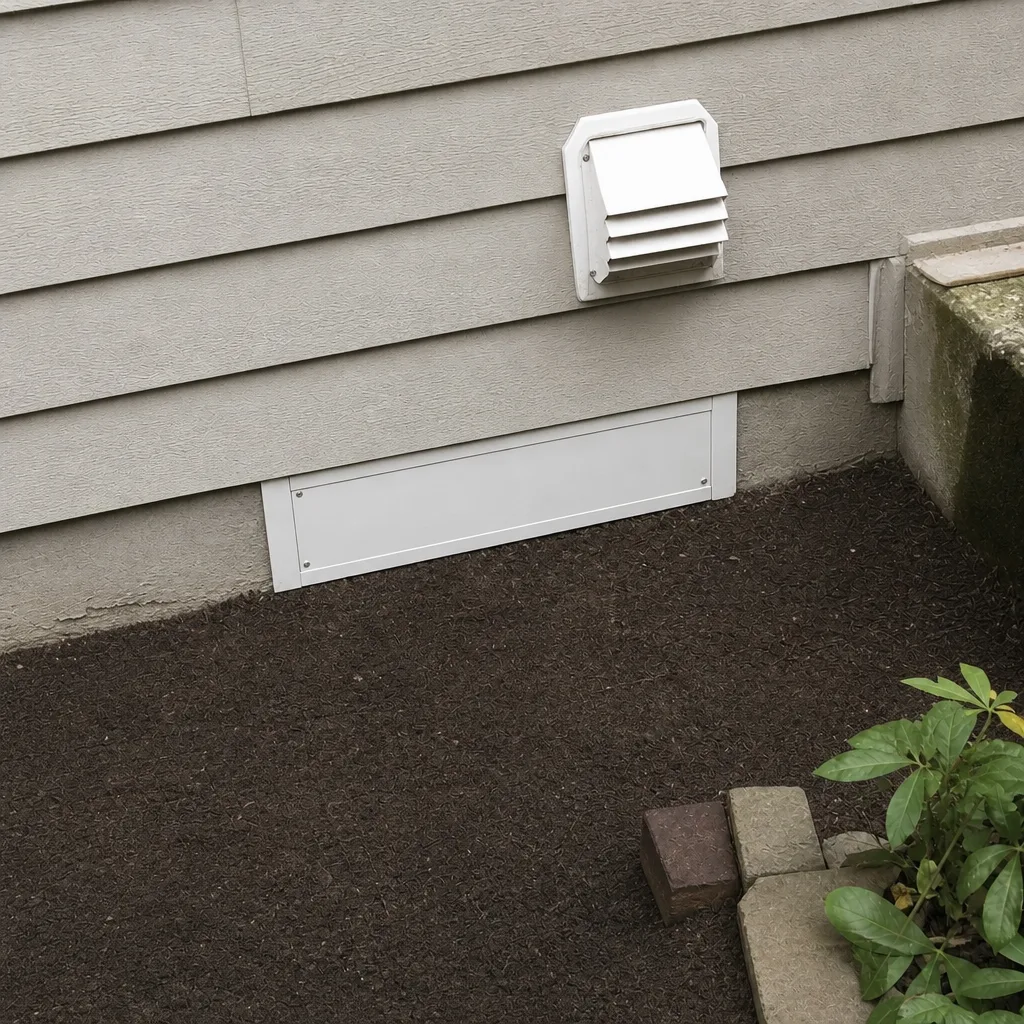 After
Common Mistakes to Avoid
- Booking on price alone. A duct cleaning quote isn’t comparable across contractors unless the scope is identical. Compare line items, not totals, and treat a suspiciously low quote as a smaller job, not a deal.
- Skipping the return plenum question. The return side is where most of the contamination lives in a Federal Way home, and it’s the first thing a contact-vacuum crew skips. Ask directly whether the return plenum and return boxes are in scope.
- Accepting “best equipment” as an answer. If a contractor can’t name a Rotobrush, Nikro, or equivalent system and explain the setup, they’re either not using professional-grade equipment or they don’t want you to know what they are using.
- Not asking for a written report upfront. Before-and-after photographs should be in the written agreement, not offered as a courtesy. If they’re not offered at all, that’s an answer too.
- Trusting a door-knock or “today only” rate. Legitimate duct cleaning in Federal Way isn’t sold on a stop-by, and a rate that expires when the salesperson leaves is a rate that was never real.
- Sanitizing before cleaning. Antimicrobial treatments on dirty ducts don’t reach the debris that’s actually harboring microbes. Cleaning first, sanitizing second. Anyone who reverses the order is selling product, not a service.
- Ignoring the dryer vent while you’re at it. If the contractor is already in the home with professional equipment, clearing the dryer vent line in the same visit is efficient – and the fire safety benefit is real. Ask for it as a standalone service.
When to Call a Professional
Duct cleaning isn’t a service that needs to happen every year regardless of condition. It’s driven by evidence. Call a professional when you notice musty or stale odors coming from registers when the system runs, visible dust plumes at the register covers when the HVAC kicks on, a persistent uptick in allergy symptoms that clears when you’re out of the house, or a noticeable drop in airflow that isn’t explained by a dirty furnace filter. If the home has recently been renovated with drywall dust seeping into the returns, or if the previous owner’s cleaning history is unknown, a baseline assessment is worth having. Dryer vent cleaning on a routine schedule – especially in Federal Way homes with longer vent runs – is a separate safety consideration that shouldn’t wait for warning signs.
Federal Way Air Duct Cleaning Pros offers free estimates in Federal Way – call (833) 482-5931. The estimate is written, the scope is documented, and there’s no per-vent pricing to worry about. Fast dispatch from 7am to 7pm, Sunday through Friday. We answer 24/7.
Frequently Asked Questions
Verify three things: NADCA membership against the public directory, professional-grade equipment (Rotobrush, Nikro, or equivalent, with containment), and a written scope that lists trunk lines, branch runs, return plenum, and air handler by name. If a contractor can’t pass all three, they’re not a full-system duct cleaner regardless of what the marketing says. Call us at (833) 482-5931 for a free written estimate to compare against your other quotes – we’re happy to walk through the scope line by line.
Full-system means every component of the air pathway from the return grille to the supply registers gets cleaned, including the return plenum, main trunk lines, branch runs, register boots, and the air handler or blower compartment. Anything less isn’t full-system cleaning, even if the contract says “whole-house.” Ask any Federal Way contractor to list those components in the written scope – the answer tells you what they actually plan to do.
No universal duct cleaning license exists in most Washington jurisdictions, including Federal Way. That’s why vetting by certification and equipment matters more in this trade than in almost any other – you’re comparing contractors without a state board’s help. Ask about NADCA membership, insurance, and equipment credentials specifically, because those are the available filters. Call (833) 482-5931 if you want to talk through what to ask a Federal Way contractor before booking.
Most Federal Way homes do well on a three-to-five year interval, not annually, unless a specific event drives it – a renovation, pest evidence, or visible dust at the registers. Dryer vent cleaning follows a shorter interval because lint accumulates faster than duct dust and the fire-safety margin is narrower. Anyone who tells you duct cleaning should happen yearly regardless of condition is selling maintenance, not addressing a problem. For a written estimate on a duct and dryer vent combo, call (833) 482-5931 – free estimates, no obligation.
Cheaper quotes are almost always a smaller job: a contact vacuum on register covers only, with trunk lines, the return plenum, and the air handler untouched. Same words on the marketing, different work inside your home’s ductwork. Compare quotes on line items, not totals, and ask each contractor to state exactly which components are in scope. Call (833) 482-5931 for a quote with the full scope named, so you have a comparison point.
Before-and-after photographs of the trunk lines, return plenum, and representative branch runs should be part of the written agreement, not a courtesy offered afterward. Combined with a written component list and a note on which sanitizing products were used – Honeywell and Aprilaire are the standards to ask for – a proper post-service report is the only verifiable evidence that the job happened. We photograph ducts before and after on every job because the report is the deliverable, not the invoice. Call (833) 482-5931 for a free estimate and we’ll walk through what the post-service report looks like for a Federal Way home.
The Bottom Line
Hiring a duct cleaning contractor in Federal Way comes down to three checks any homeowner can run: confirm certification by name (NADCA), confirm equipment by name (Rotobrush, Nikro, Abatement Technologies, or equivalent with containment), and confirm the scope in writing with every duct component listed. Anyone who can’t pass those three checks is quoting a smaller job than the one you’re trying to buy. Compare on scope, not price. Require before-and-after photos as part of the agreement. Treat the dryer vent line as a separate safety service, not an upsell. If you want a written estimate from a team that uses professional-grade equipment and photographs the work before and after, call (833) 482-5931. We answer 24/7. Fast dispatch from 7am to 7pm, Sunday through Friday. Free estimates, no per-vent pricing, and a written scope that names every component.
Written by the team at Federal Way Air Duct Cleaning Pros.