
Last updated November 25, 2026
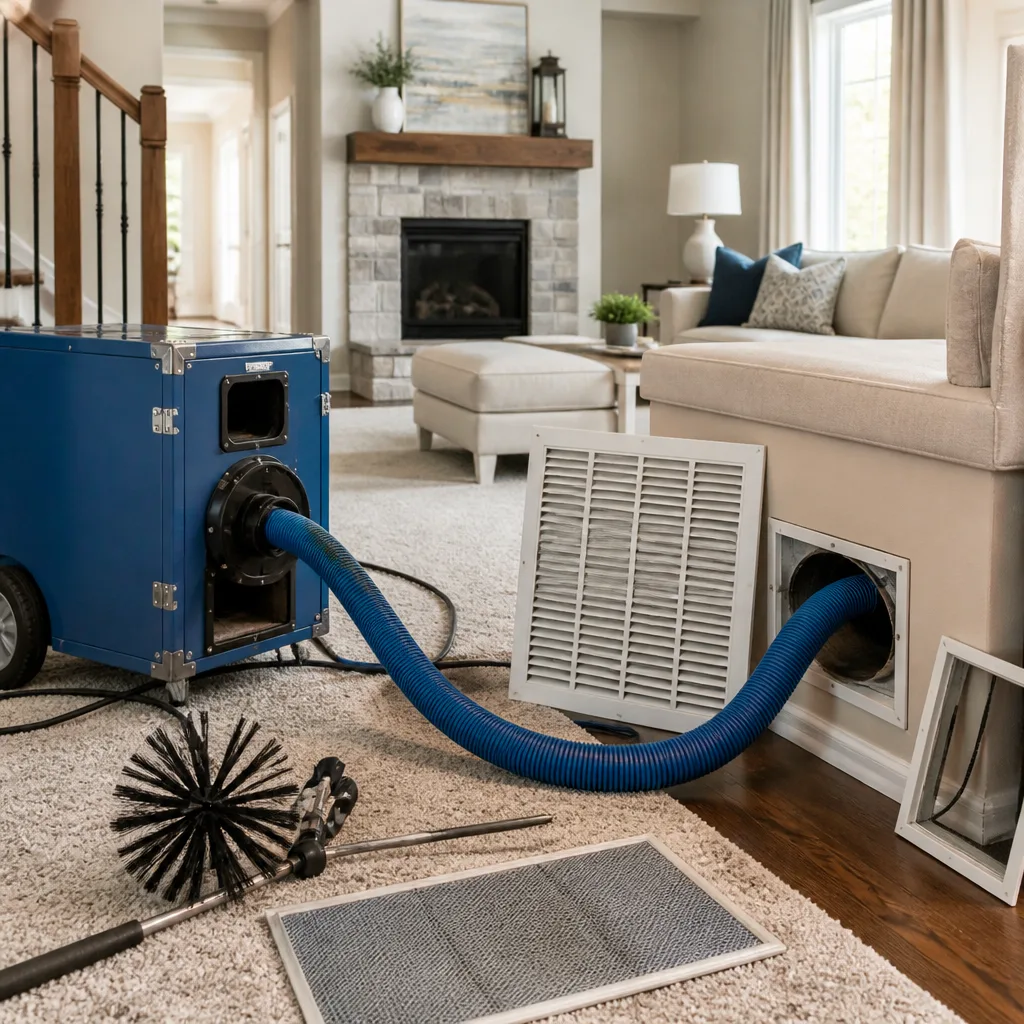 Whole-home duct cleaning
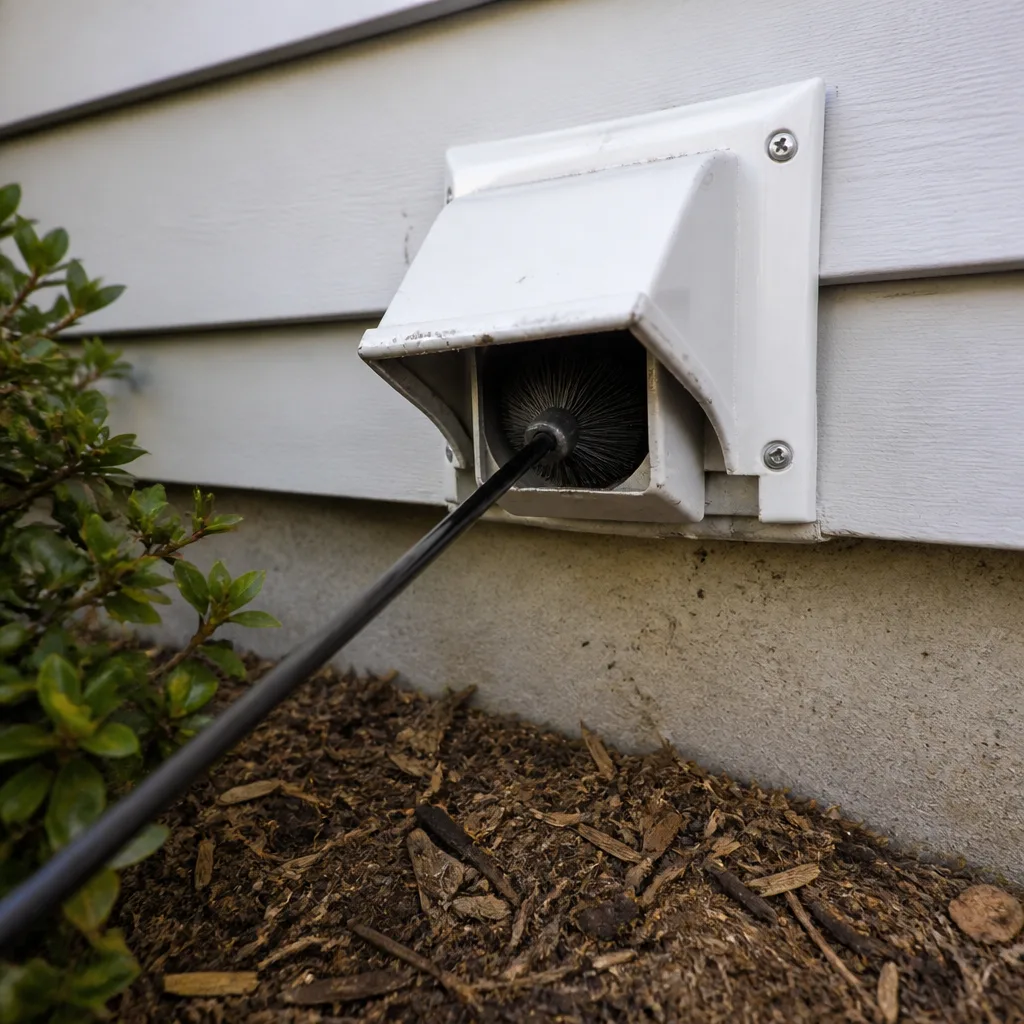 Dryer vent cleaning
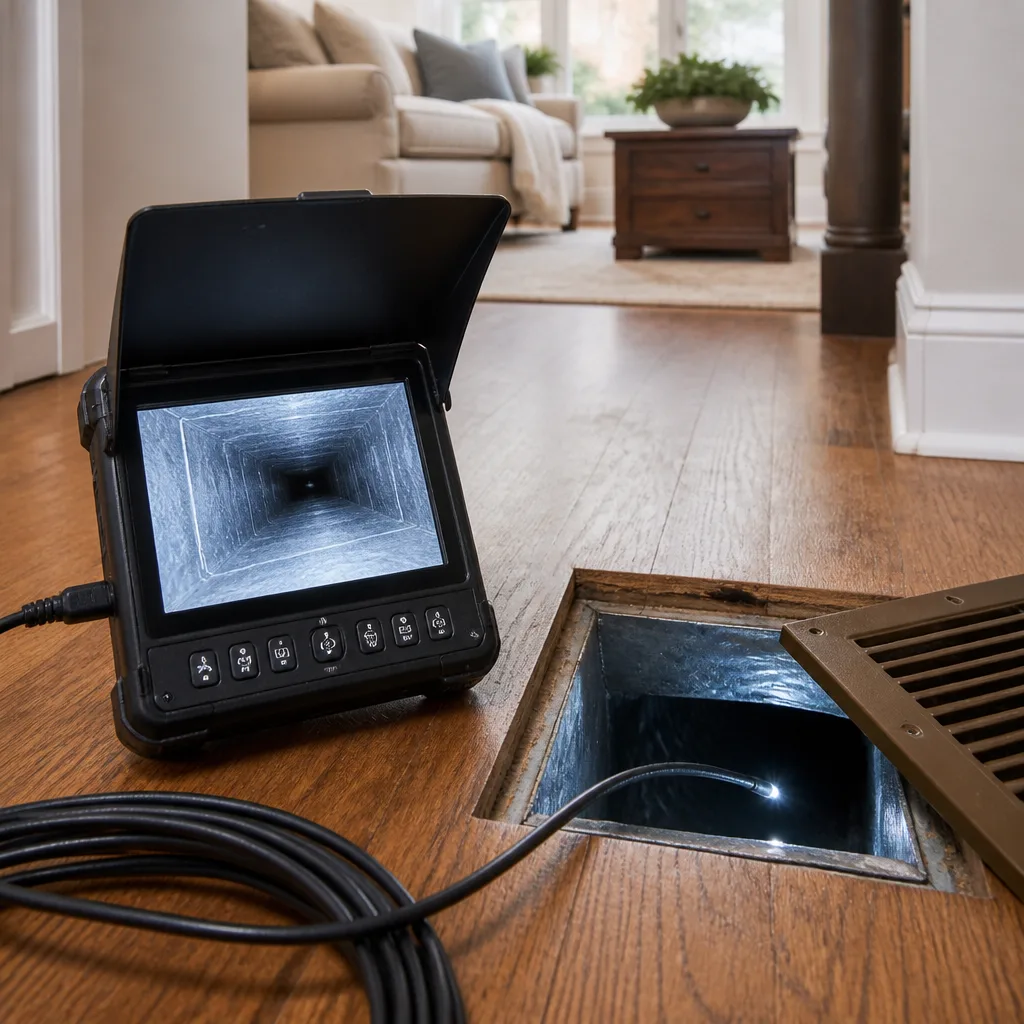 Camera inspection
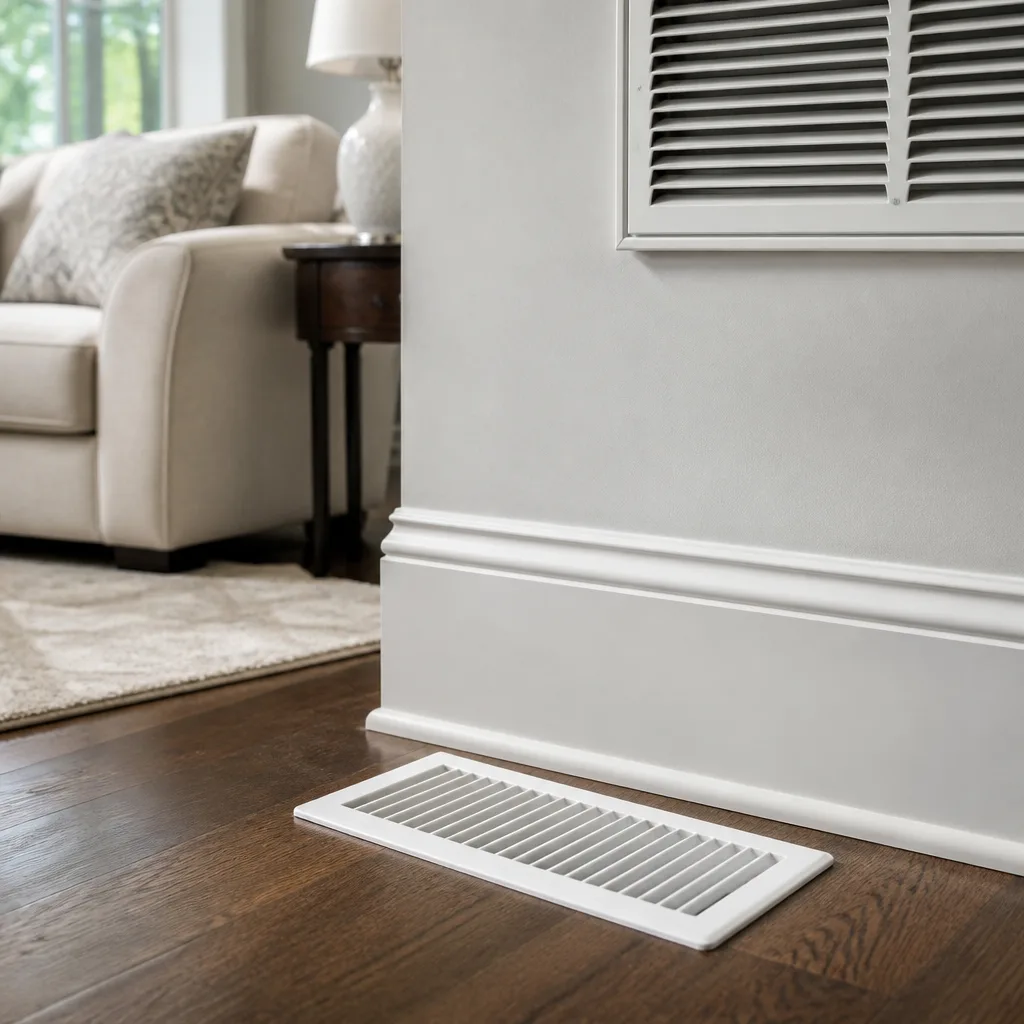 Sanitizing & deodorizing
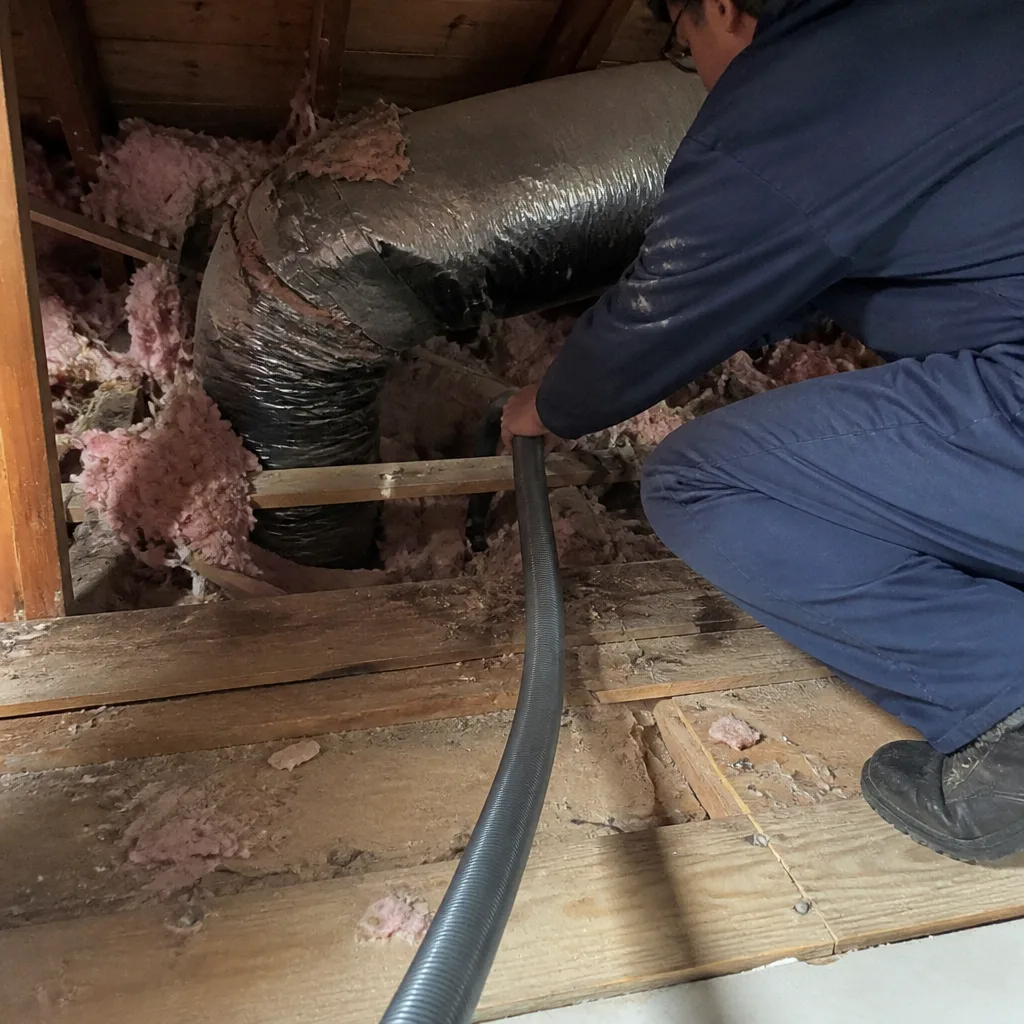
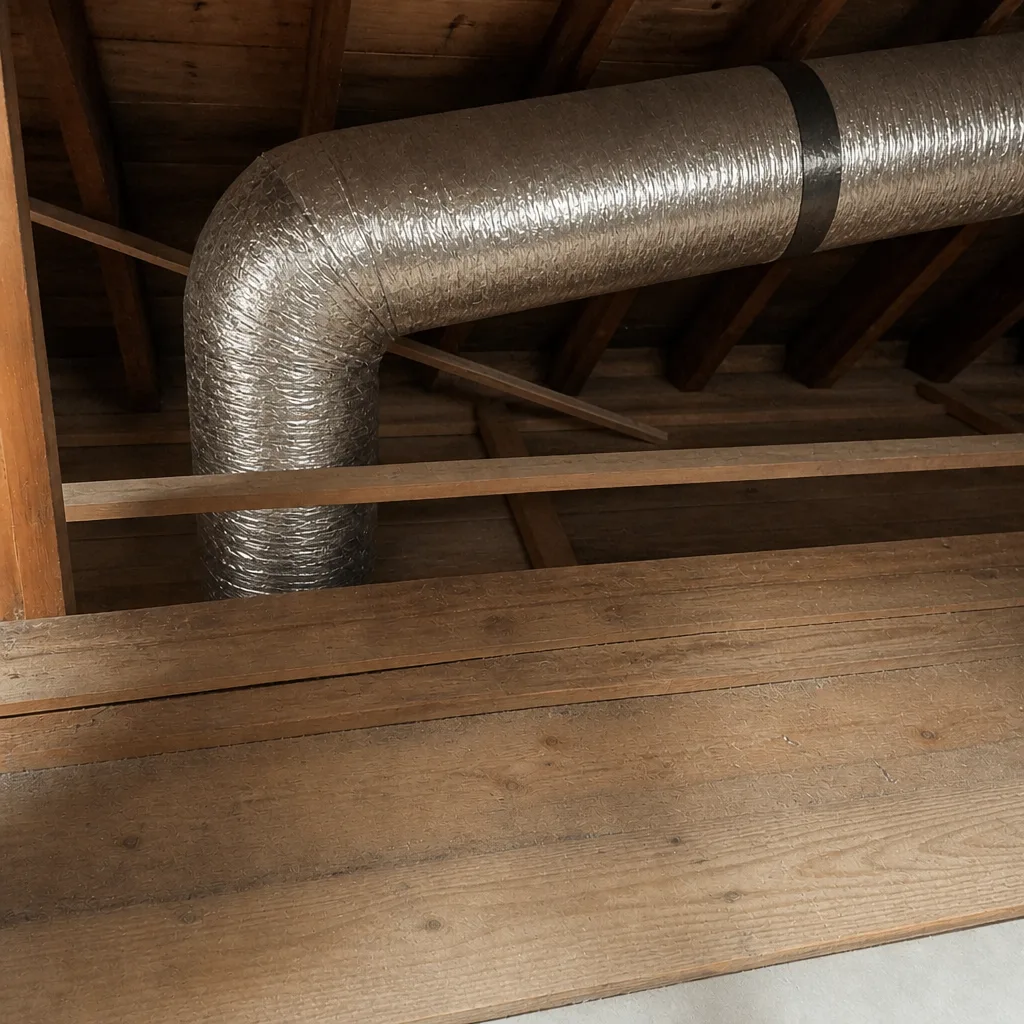
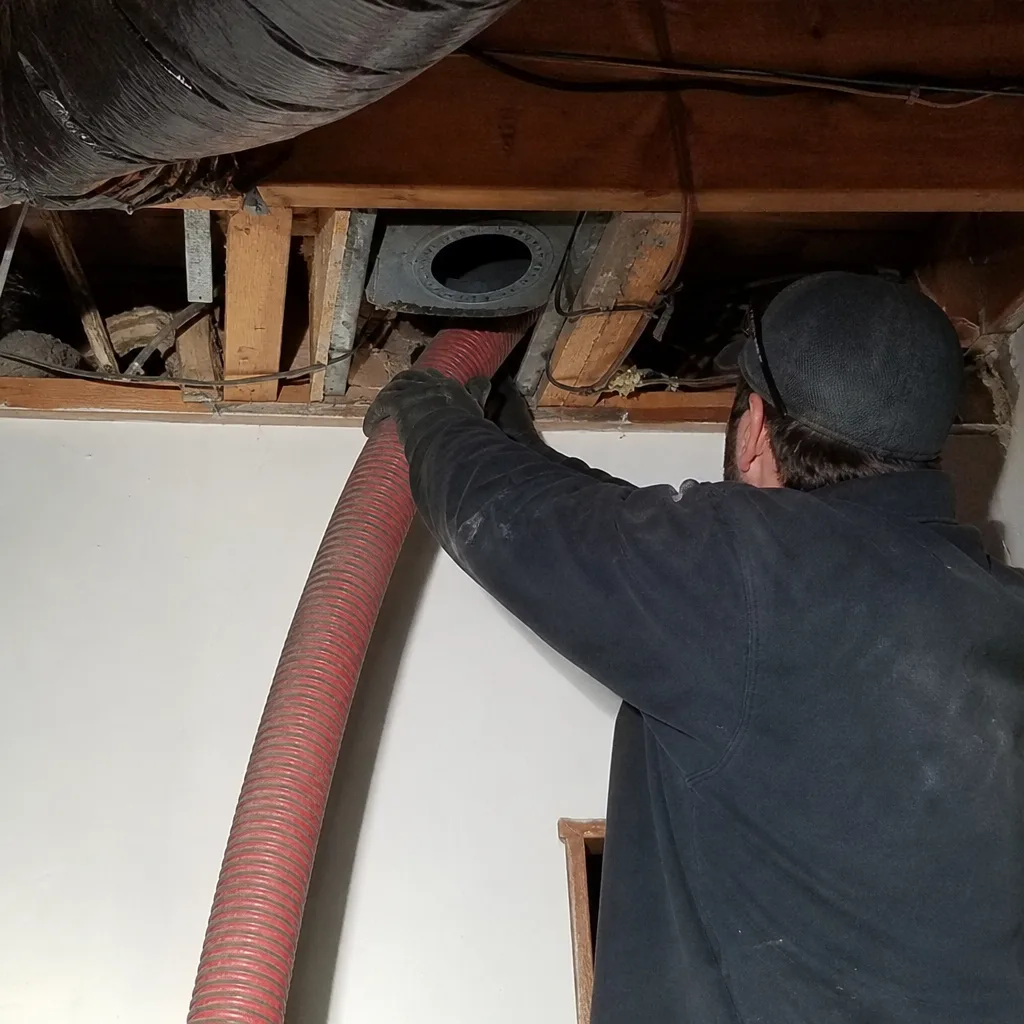
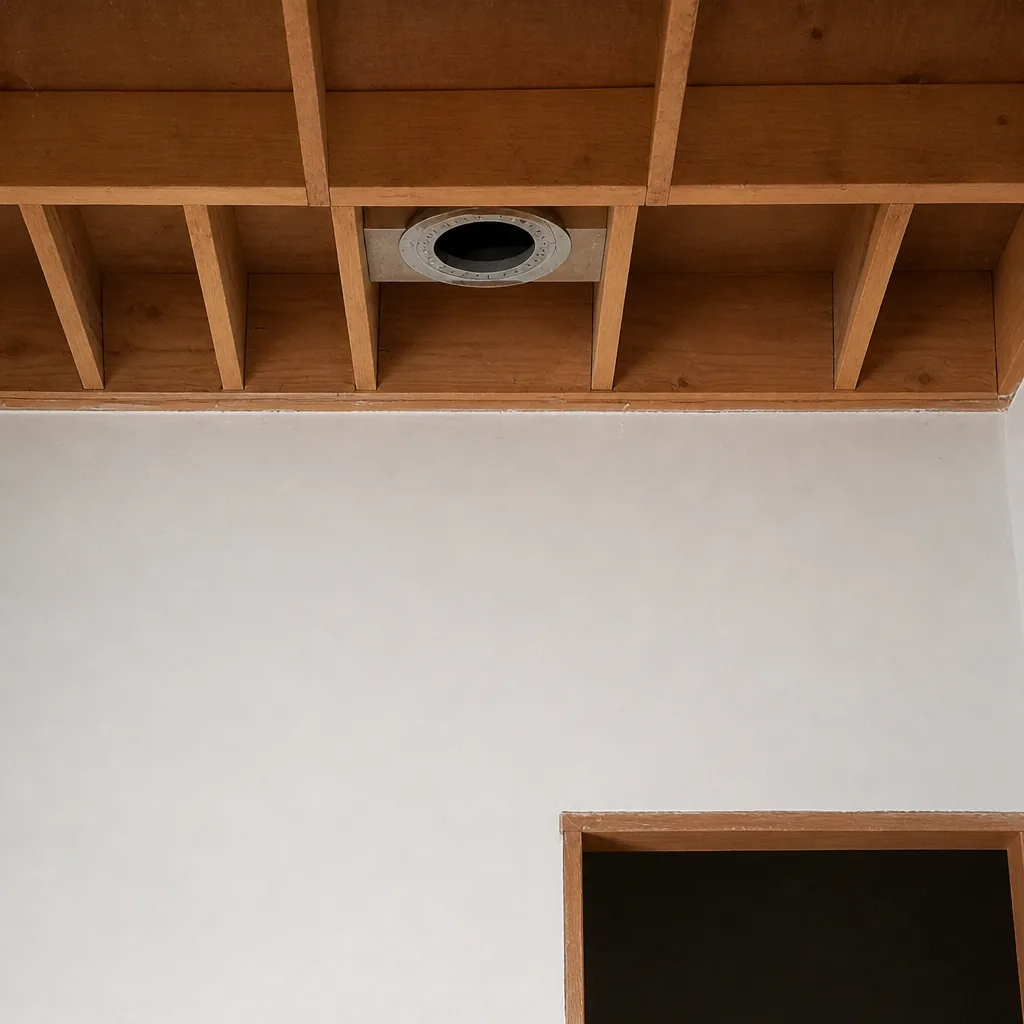
Whole-system duct and dryer vent check with before-and-after photos - you see exactly what came out of your vents
That "$99 whole-house special" is a bait ad - the real number appears once they are in your hallway, or the "clean" is a shop-vac at the register. We photograph the inside of your ducts before and after instead.
DIY vs Professional Air Duct Cleaning: The Federal Way Homeowner’s Decision Guide
Most homeowners who decide to clean their own ducts assume the job fails because they didn’t try hard enough. The more honest answer is physics. A shop vacuum generates roughly 55 to 70 inches of water lift. A truck-mounted professional extraction unit generates 150 to 200 or more. That single gap decides whether debris leaves the system or just moves from the trunk line into the branch runs and settles back down a week later. In this guide we’ll draw a hard line around what DIY actually accomplishes in a Federal Way home, where it stops working, and how to read your own system’s age, duct material, and contamination type to decide which side of that line you’re on.
Styles & brands we work with
- Whole-home duct cleaning
- Dryer vent cleaning
- Camera inspection
- Sanitizing & deodorizing
Quick Answer
DIY air duct cleaning is worth doing for the parts you can reach: register covers, return grilles, filter changes, and dryer vent brushing up to about 10 feet. It is not a substitute for professional extraction once debris has accumulated inside main trunk lines, flexible duct runs, or the air handler cabinet. In Federal Way, the deciding factors are almost always duct material, moisture exposure from our wet winters, and whether previous work left settled contamination inside the system.
Table of Contents
- What DIY Duct Cleaning Actually Accomplishes
- The Physics of Duct Debris Extraction
- Where DIY Attempts Cause Damage
- How to Maintain Your Ducts Between Professional Visits
- The Three-Variable Decision Framework
- What Makes Federal Way Ducts Different
- Dryer Vents: The One System You Should Never Guess On
- What Professional-Grade Equipment Actually Does
- Common Mistakes to Avoid
- When to Call a Professional
- Frequently Asked Questions
- The Bottom Line
What DIY Duct Cleaning Actually Accomplishes
We want to be clear from the start: DIY maintenance has real value. Skipping it entirely is worse than doing it well. The mistake is believing that a homeowner with a shop vac and a brush kit is doing the same job a professional crew does. They’re doing a different job with a different scope, and both have a place.
Here’s what you can genuinely handle on your own:
- Register covers and return grilles. Pop them off, wash them in a utility sink with dish soap, and dry them fully before reinstalling. A soft brush gets dust out of the louver gaps. This alone stops a surprising amount of visible dust from blowing back into a room.
- Filter changes. This is the highest-return maintenance task in any home. Check the filter monthly and replace it on the schedule printed on the packaging, or sooner if you have pets or you’re running the system hard in summer.
- Dryer vent brushing up to 10 feet. A flexible dryer vent brush kit, sold at any hardware store, works for the accessible run between the dryer and the exterior wall. This is worth doing annually.
- Visible debris near registers. A vacuum with a crevice tool can reach the first few inches of duct behind a floor register. It’s not extraction from the trunk line, but it doesn’t hurt.
- Air handler cabinet exterior. Vacuuming dust around the unit’s exterior and checking that the filter slot is seated correctly is a legitimate homeowner task.
That’s a real list. It’s just a shorter one than most people assume. Everything beyond those tasks requires equipment a homeowner can’t practically rent, and we’ll explain why in the next section.
The Physics of Duct Debris Extraction
The reason DIY duct cleaning maxes out is simple: consumer vacuums can’t move enough air to lift settled debris out of a long horizontal duct run. This isn’t a knock on the equipment. A shop vac is a great tool for its purpose. Its purpose was never duct extraction.
Duct debris settles because air velocity drops. Your HVAC blower pushes air at a certain rate through the main trunk, but the branches slow that air down as it splits. Dust, dander, and lint drop out of the airstream and collect on the bottom of the duct. Once debris has compacted and matted against the sheet metal or flex liner, getting it moving again requires one of two things: mechanical agitation strong enough to break the clump loose, and airflow strong enough to carry it to a capture point.
A shop vac does neither well inside a duct. The 55 to 70 inches of water lift it generates is measured at the hose end, and that number falls off quickly once you’re 15 or 20 feet into a duct run. Meanwhile, its airflow isn’t the directional, contained negative pressure that a professional system creates. What happens in practice is a kind of churn: the debris gets stirred up, some of it escapes back into the room through registers, and the rest resettles further down the run.
Professional duct cleaning works differently. Rotobrush and Nikro systems run a rotating whip or brush through the duct to break material loose, combined with high-volume negative pressure that captures it at the register or in the main trunk. Abatement Technologies equipment is built around the same principle used on commercial jobs: containment. The goal isn’t just to loosen debris but to capture it before it enters the breathing space. That’s the physics gap in one sentence – DIY stirs, professional extraction removes.
Where DIY Attempts Cause Damage
We don’t want to scare anyone off from cleaning their own register covers. But there are three specific scenarios where a DIY attempt at deeper duct cleaning creates real problems, and we’ve seen each of them documented across the region.
Flex duct puncture
Flexible duct, which is common in Federal Way homes built from the 1980s forward, has a thin inner liner wrapped in insulation and an outer jacket. A brush kit that’s too stiff, or one that’s jammed through a turn at the wrong angle, can catch the inner liner and tear it. Once the liner fails, the duct loses its insulating value and starts leaking air into the attic or crawl space. That’s an HVAC efficiency loss that no amount of cleaning will fix.
Disturbing settled mold without containment
In western Washington’s wet climate, ducts in crawl spaces and unconditioned attics can develop microbial growth on the liner. If you disturb that growth without negative-pressure containment, you send it into the living space through the register you’re working over. A professional visit sets up containment first, then agitates, then sanitizes.
Dislodging duct board liner
Duct board – rigid fiberglass insulation board with a foil face, sometimes used in older Federal Way homes – has an interior coating that can delaminate if hit with a rotating brush at the wrong pressure. Once the coating separates, the duct starts shedding fibers. Removing that material is a professional job; you don’t want to be the one creating it.
The pattern across all three scenarios is the same: the damage isn’t from carelessness, it’s from using the wrong tool class in a space where a small error is expensive to reverse. A trained technician knows to modulate pressure and rotation speed based on what the duct is made of. A homeowner with a hardware-store kit doesn’t get that signal until after something has torn.
How to Maintain Your Ducts Between Professional Visits
If you’ve had your ducts professionally cleaned, or you’re planning to, there’s a maintenance routine that meaningfully extends your cleanliness window. Doing these steps consistently is the difference between needing professional service every few years and needing it every winter.
- Replace the filter on the manufacturer’s schedule, not the calendar’s. A 90-day filter in a pet household may need changing every 45 days. Check the filter more often than you think you need to.
- Wash the return grilles every 60 to 90 days. Return grilles pull more dust than supply registers because they’re on the intake side. They’re also easier to clean – a 10-minute job.
- Vacuum register openings every month with a crevice tool. A quick pass with a vacuum crevice tool into the first few inches of each register opening clears the immediate buildup without much effort.
- Brush the accessible dryer vent run annually. The section between the dryer and the exterior wall is yours to maintain. Use a flexible brush kit and pull the debris out toward the dryer, not into the wall.
- Keep the return side clear of obstructions. Furniture against a return grille restricts air flow and accelerates dust settling. It’s a small habit with an outsized effect.
- Schedule a professional assessment before the heating season. A late-September or early-October check-in catches problems before you need the system running steadily.
None of this replaces a professional air duct cleaning when the system needs it. What it does is push that need further out, and it makes the professional visit more effective when it comes – the technician spends their time on the trunk lines and main areas rather than on buildup you already cleared.
The Three-Variable Decision Framework
Every “should I DIY or hire this out” question comes down to three variables. Look at your own system through these three lenses, and the answer usually becomes obvious.
Variable 1: System age
A duct system less than 10 years old, professionally installed, and never used during a renovation is a reasonable candidate for DIY maintenance between long professional intervals. A system built in the 1970s or 1980s, or one that’s had multiple remodels, has had more chances to accumulate contamination in places you can’t reach. Those systems need a professional schedule, not a homeowner with a shop vac.
Variable 2: Contamination type
Dust and lint are the easy case. Microbial growth, rodent evidence, or post-renovation construction debris – drywall dust, sawdust, insulation fibers – are the hard case. Anything beyond ordinary dust is a professional job. No homeowner equipment is built to handle microbial growth or construction debris safely.
Variable 3: Duct material
- Sheet metal: the most forgiving. Some DIY agitation is possible in short runs without damage. Longer runs still need extraction.
- Flex duct: low tolerance. Punctures are permanent and expensive. Leave aggressive cleaning to professionals.
- Duct board: lowest tolerance of all. Professional cleaning with controlled agitation is the only safe option once the interior coating is a concern.
- Fiberglass-lined metal: mid-range. Professional cleaning is still the safer choice, but the material is more durable than duct board.
If two or three of these variables fall on the “professional” side, you have your answer. If only one does, DIY maintenance may hold the line until your next scheduled visit.
What Makes Federal Way Ducts Different
Federal Way sits in a climate that’s genuinely hard on duct systems. Western Washington’s long wet season – the stretch from October through April when outside humidity stays high and interior surfaces struggle to dry out – is at the root of most of the duct problems we see in the city. Crawl spaces in Federal Way stay damper for longer than the national average, and ducts routed through them pick up moisture that encourages microbial growth and dust adhesion.
Neighborhood-level differences matter too. The older housing stock in Federal Way, particularly around the Twin Lakes and Buenna areas, includes a meaningful number of homes with duct systems that predate modern flex installation standards. Newer construction closer to the Commons and the newer sections off Pacific Highway South tends to run flex duct in unconditioned attic spaces, which are hot in summer and cold and wet in winter – the worst combination for the liner’s lifespan. If you’re trying to read your own home, the oldest and wettest parts of the system are the ones that need professional attention first.
The good news for Federal Way is that most of the professional intervention happens once every few years. Between those visits, DIY maintenance genuinely holds its own. What doesn’t hold up is putting off the professional visit until you notice a problem – by then the contamination is inside the trunk line where no homeowner can reach it. If you’re noticing musty odors from the return vents or a persistent dust film on surfaces that gets worse after the heating kicks in, that’s a Federal Way signal that moisture has entered the system somewhere. Federal Way Air Duct Cleaning Pros can assess the pattern, identify whether it’s a duct repair issue or a cleaning issue, and give you a straight estimate before any work starts.
Dryer Vents: The One System You Should Never Guess On
Air duct cleaning has room for reasonable DIY judgment calls. Dryer vent cleaning does not. Dryer vent blockages are a leading cause of residential fires in the United States, and the reason is that lint is more flammable than it looks and it accumulates in the exact place most likely to be hot. A homeowner who brushes the run between the dryer and the wall is doing useful work. A homeowner who assumes that completes the job may be leaving a blockage deeper in the vent run that the brush never touched.
Federal Way homes have two common dryer vent layouts. In older single-story construction, the dryer is often adjacent to an exterior wall, and the vent run is short. In two-story Federal Way homes built from the 1990s forward, the dryer often sits in a first-floor utility room with a vent running up through the floor and out a second-floor or roof termination. That longer, more vertical run is the one that catches lint and holds it, and the one that a brush kit almost never clears.
Professional dryer vent cleaning uses a rotary brush and a vacuum that runs from the termination point back to the dryer connection, clearing the entire run in one pass. This is one service where we tell every Federal Way homeowner the same thing: leave it to a professional, and do it once a year regardless of how often you use the dryer. If you’re not sure when it was last done, that’s the answer.
What Professional-Grade Equipment Actually Does
Naming the equipment matters because the gap between consumer and professional isn’t a marketing claim – it’s a different category of tool. Here’s the honest breakdown of what each system contributes on a Federal Way job.
- Rotobrush systems drive a rotating brush or whip through the duct interior, agitating debris off the liner surface, at the same time as high-volume negative pressure captures it. Rotobrush is purpose-built for residential duct cleaning and used in commercial-grade applications as well.
- Nikro systems handle high-volume negative-pressure extraction. They’re the reason a professional job actually removes material rather than redistributing it, especially on long horizontal runs.
- Abatement Technologies equipment is built around containment and negative-pressure standards aligned with NADCA guidance. That means the air in your living space stays separated from the air in the work zone while the job is happening.
On the air quality side, we use filtration and antimicrobial products from Honeywell and Aprilaire, which you’ve probably seen specified on HVAC equipment or recommended by allergists. Post-cleaning sanitizing uses Guardsman-grade products designed for the interior of duct systems. That combination – extraction, containment, and sanitizing – is what a complete job looks like. It’s also what makes the difference between ducts that feel clean for a week and ducts that stay clean for years.
For more on how the full process works from return vent to register, see our guide to HVAC cleaning. The HVAC cabinet itself is where a lot of the dust load actually starts, and cleaning ducts without cleaning the air handler leaves half the job on the table.
Common Mistakes to Avoid
- Assuming a hardware-store duct brush reaches the whole system. Most brush kits are designed for short runs and dryer vents. They don’t have the reach or the rigidity to agitate the main trunk line, and forcing them through turns is how flex liners get torn.
- Running a shop vac against a register with the system on. The blower overwhelms the vacuum, so you’re mostly recirculating dust into the room. Turn the HVAC system off before any cleaning attempt.
- Skipping the dryer vent because the air duct cleaning felt like enough. They’re two separate systems on two separate schedules. One being clean tells you nothing about the other.
- Cleaning ducts before addressing a moisture problem. In Federal Way, if the crawl space has standing water or the duct runs sit in damp conditions, cleaning without fixing the moisture source means the contamination comes back within a season. Fix the source first.
- Using off-the-shelf sanitizing sprays inside ducts. Consumer foggers don’t reach the surfaces that matter and can leave a residue that attracts dust. Professional sanitizing is applied with the right equipment after extraction, not before.
- Cleaning one register and assuming the rest followed. Duct systems are trunk-and-branch. Cleaning the visible end of a branch does nothing for the main trunk that feeds it. Whole-system cleaning means the whole system.
- Hiring based on the lowest quote without asking what’s included. The cheapest quote is often just register cleaning. Ask specifically whether the price includes trunk lines, the air handler, and the dryer vent – if not, it’s not a whole-system price.
When to Call a Professional
Call a professional if any of the following is true. Your ducts are more than 15 years old and have never been cleaned. You’ve had a renovation in the last two years without duct containment during the work. You notice musty odors, a dust film returning within days of cleaning, or allergy symptoms that worsen when the system runs. You’ve seen rodent droppings or evidence of an infestation in the crawl space or attic. Your dryer vent hasn’t been cleaned in more than a year, or you notice clothes taking longer to dry and the exterior vent flap barely opening. Your ducts show visible tearing at flex duct connections or delamination in duct board runs. Federal Way Air Duct Cleaning Pros offers free estimates in Federal Way – call (833) 482-5931. We answer 24/7. Fast dispatch from 7am to 7pm, Sunday through Friday. One flat price per system is agreed before work starts, and the local pro we connect you with is licensed and insured as the state requires. Our technicians have up to 9 years of experience, and we’ll tell you honestly whether your system needs a full cleaning, a targeted repair, or nothing at all.
Frequently Asked Questions
Most Federal Way homes fall into a typical range based on square footage, number of registers, and system complexity – and the written estimate sets the final price. We give one flat price per system, agreed before work starts, and never quote a per-vent figure. Call (833) 482-5931 for an exact quote – estimates are free.
Cheap quotes usually cover register cleaning only, not the trunk lines or air handler, which is where the actual debris lives. If the quote didn’t include the return vent to register, the air handler cabinet, and the dryer vent as a separate item, it’s not a whole-system cleaning. Ask exactly what’s included in writing. Call (833) 482-5931 and we’ll walk through the scope with you before any commitment.
Ask for before-and-after photos of your own system, not stock images. A professional crew documents what they found and what they removed from your ducts. If the crew doesn’t offer that, ask for it. On our jobs, before-and-after photos come standard. Call (833) 482-5931 to book.
Most Federal Way homes do well with a professional cleaning every three to five years if the duct system is intact and the crawl space is dry. Homes with pets, recent renovations, or ongoing moisture issues need it more often, sometimes annually. If you’re not sure of your interval, a free assessment will tell you. Call (833) 482-5931.
Only the accessible section behind a register with a soft vacuum attachment – anything deeper risks tearing the inner liner, which is a permanent and expensive repair. Flex duct has almost no tolerance for brush kits. Leave the interior cleaning to a professional who can modulate pressure to the material. Call (833) 482-5931 for an assessment.
Yes. Dryer vent blockages are a leading cause of residential fires, and the blockage builds slowly – your dryer keeps working normally right up until it doesn’t. The “dryer seems fine” test doesn’t catch the buildup. Annual professional cleaning is the standard we recommend for every Federal Way home. Call (833) 482-5931 to schedule it as a standalone service, not an add-on.
The Bottom Line
DIY duct cleaning is worth doing for the parts you can reach: register covers, filters, and the accessible dryer vent run. It stops working the moment debris has settled inside the main trunk lines, when duct material is flex or duct board, or when moisture has led to microbial growth – and those three situations call for professional extraction, containment, and sanitizing rather than a homeowner with a shop vac. The 55-to-70 versus 150-to-200 inches of water lift gap isn’t a technique problem. It’s an equipment class problem. Read your own system against the three-variable framework in this guide, handle the maintenance you can do well, and bring in professional help when two or more variables point that way. If you’re in Federal Way and want a straight assessment of where your system sits, we can help.
At Federal Way Air Duct Cleaning Pros, we clean it, seal it, and sanitize it – the full air pathway from the return vent to the register. One flat price per system, before-and-after photos of your own ducts, and a satisfaction guarantee. Call (833) 482-5931 for a free estimate. We answer 24/7. Fast dispatch from 7am to 7pm, Sunday through Friday.
Written by the team at Federal Way Air Duct Cleaning Pros.
See the difference
 Before
 After
 Before
 After
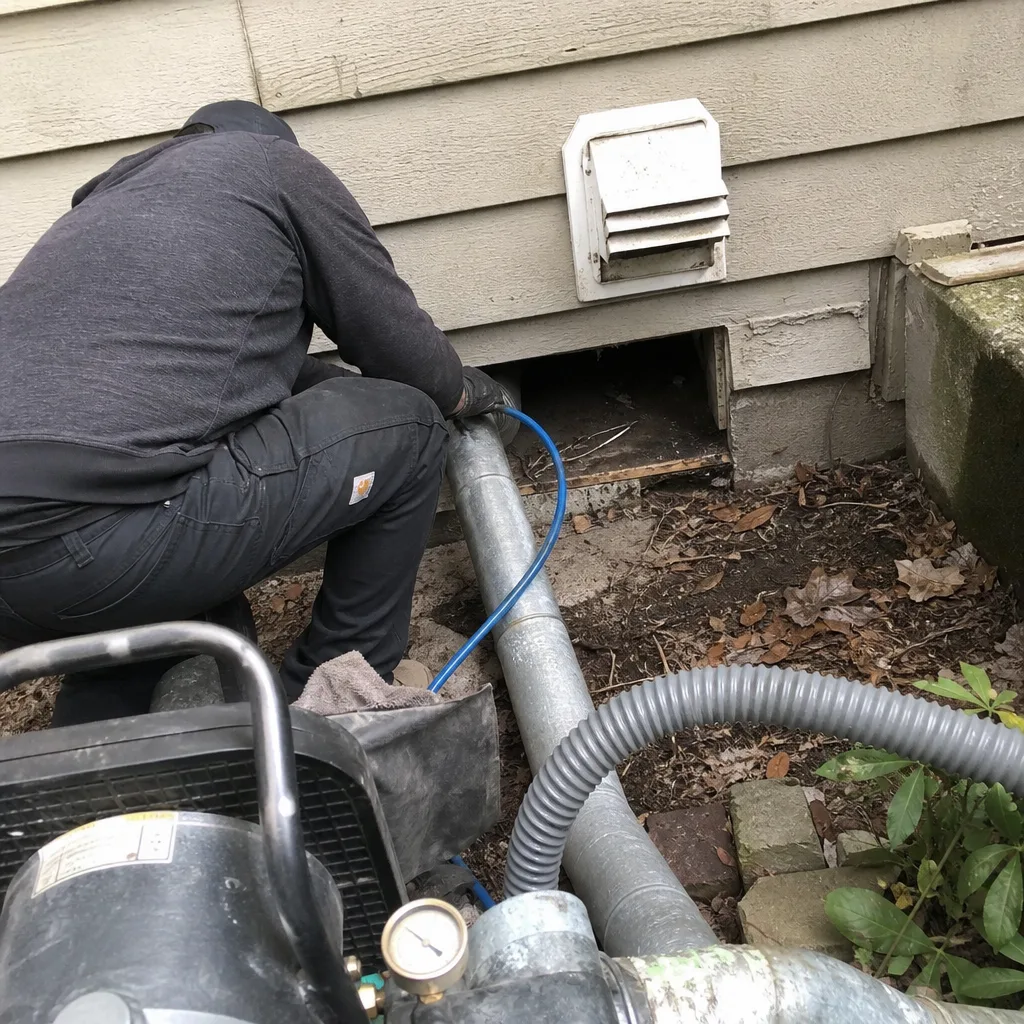 Before
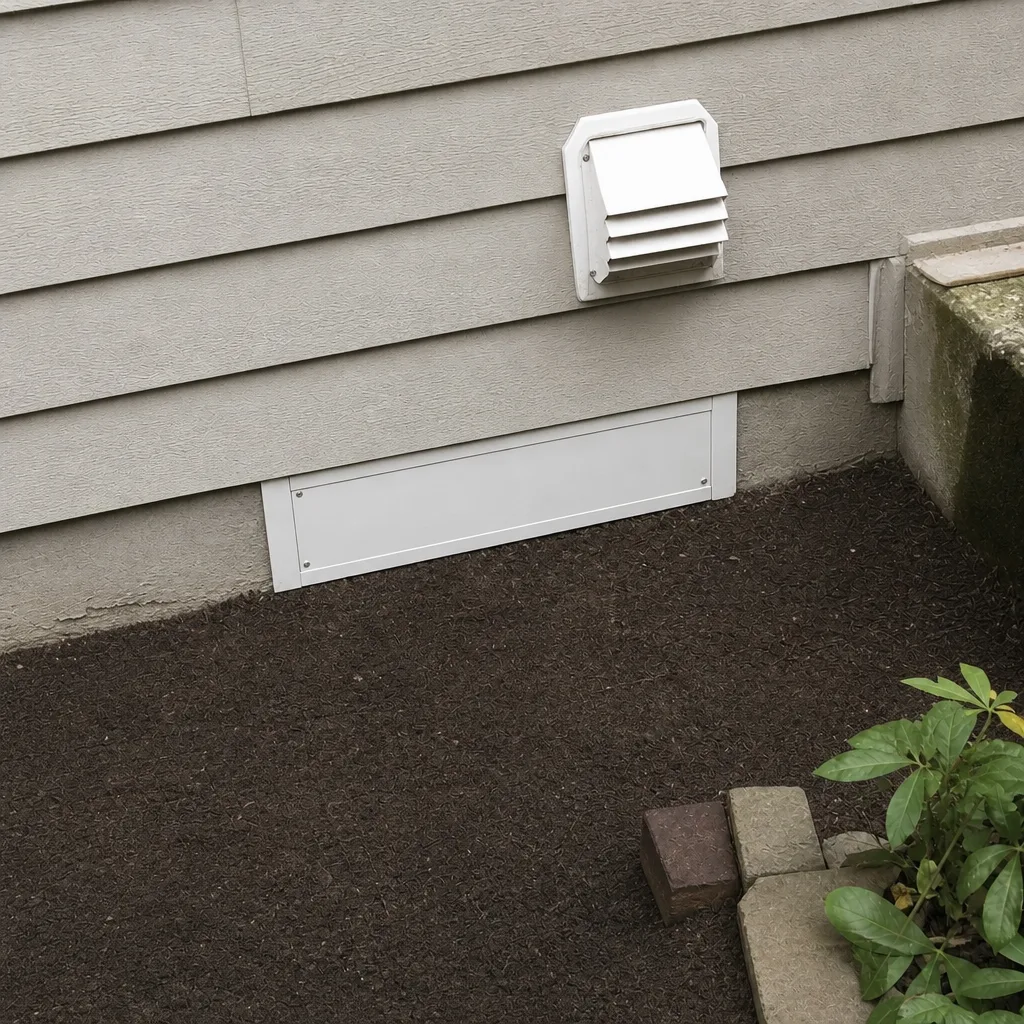 After