
Last updated November 25, 2026
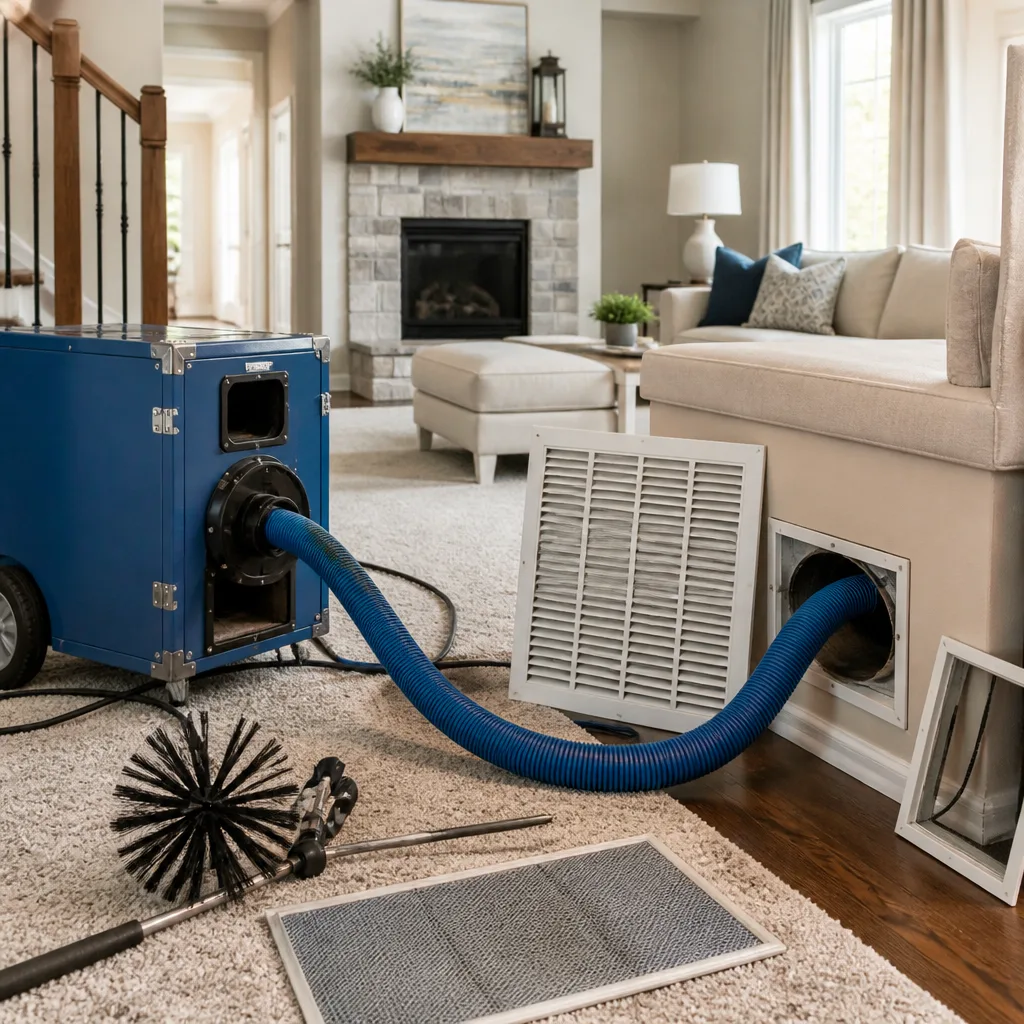 Whole-home duct cleaning
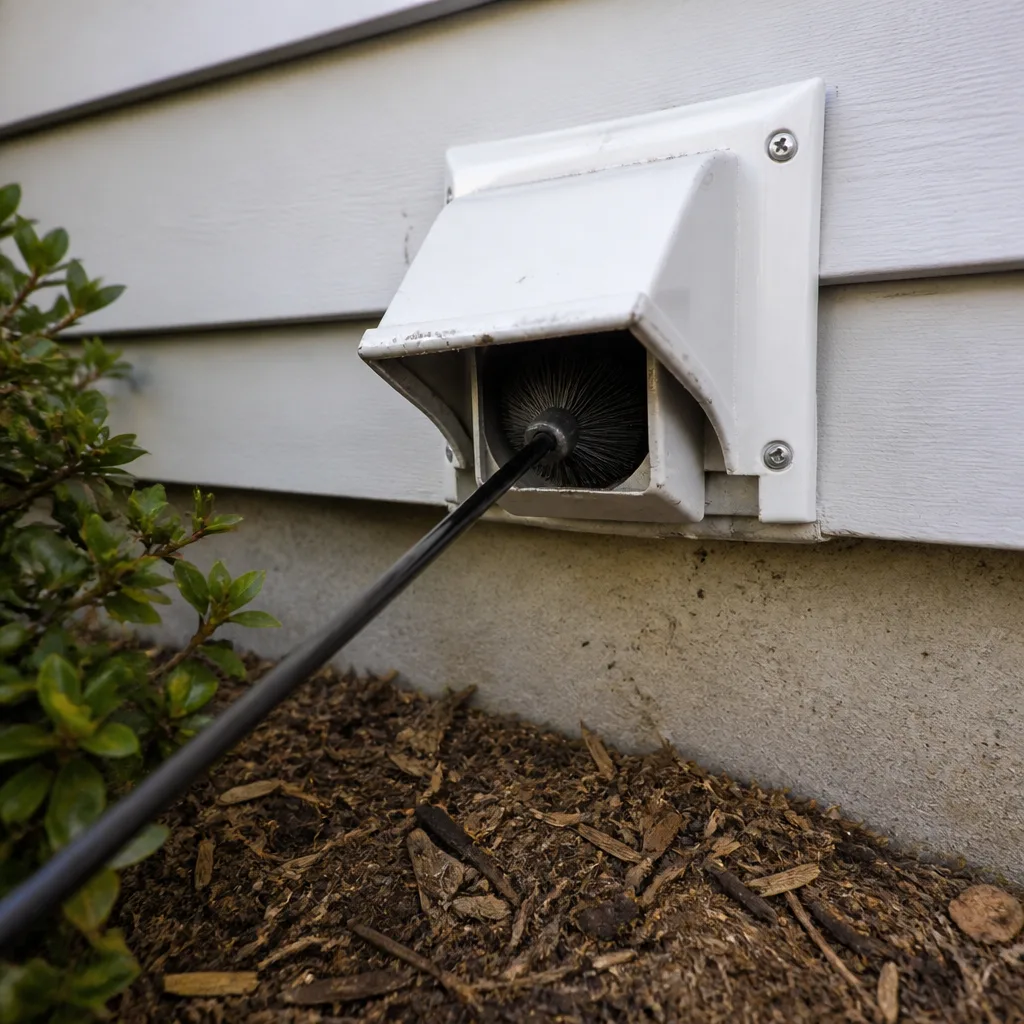 Dryer vent cleaning
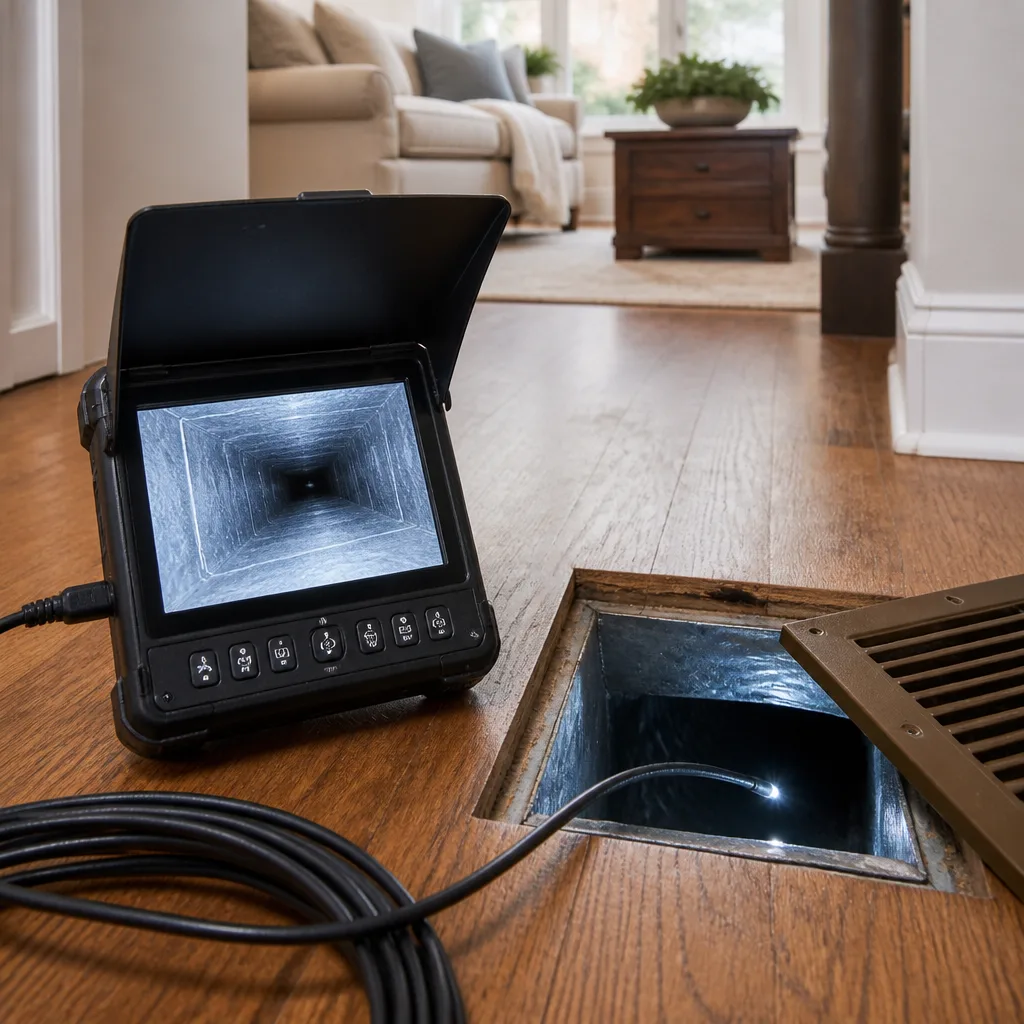 Camera inspection
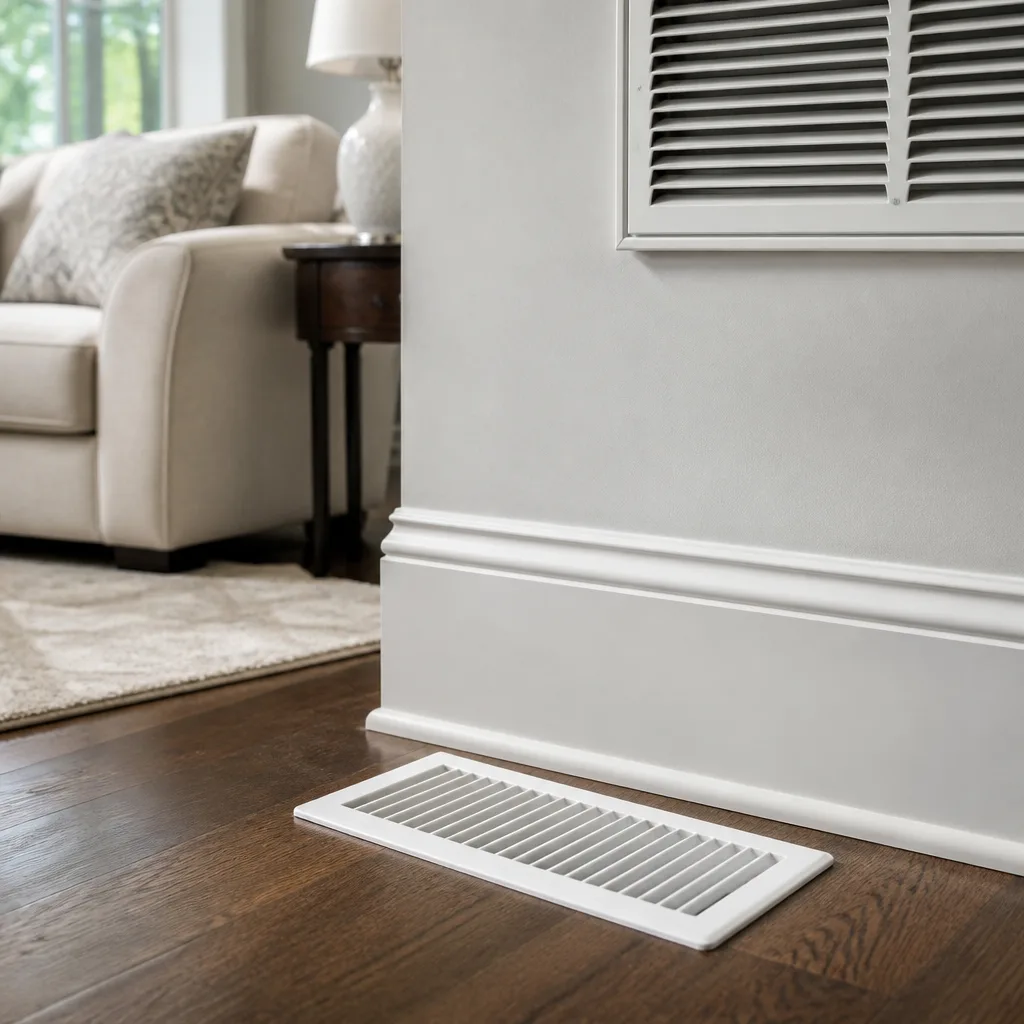 Sanitizing & deodorizing
Whole-system duct and dryer vent check with before-and-after photos - you see exactly what came out of your vents
That "$99 whole-house special" is a bait ad - the real number appears once they are in your hallway, or the "clean" is a shop-vac at the register. We photograph the inside of your ducts before and after instead.
Air Duct Cleaning Cost Breakdown: The Federal Way Homeowner’s Reference for 2026
Most pricing pages you’ll find quote a national average, and that number was built on a house with clean sheet metal ductwork and open trunk lines you can walk right up to. Many Federal Way homes aren’t built that way. Flex duct runs through tight crawlspaces, some systems have been added onto and rerouted more than once, and the actual time it takes to clean a system here often runs longer than the generic figure suggests. That gap is the whole story behind duct cleaning pricing in Federal Way: real quotes swing from roughly $99 to more than $1,500 because the jobs are not the same job. This guide walks you through what each price tier actually buys, line by line, so you can compare proposals on scope instead of the number at the bottom.
Quick Answer
Air duct cleaning in Federal Way typically costs between $300 and $700 for a standard single-family home, with full-system jobs that include extensive flex duct, deep returns, and added services landing closer to $900-$1,500. The $99 offers you see advertised almost always cover a single vent and a few minutes of work, not your entire system. A written, line-item scope is what separates a real quote from a teaser price.
Styles & brands we work with
- Whole-home duct cleaning
- Dryer vent cleaning
- Camera inspection
- Sanitizing & deodorizing
Table of Contents
- What Does Air Duct Cleaning Cost in Federal Way?
- Component-by-Component Pricing Breakdown
- How Home Age, Duct Material, and Access Affect Federal Way Labor
- The $150 Job vs. the $600 Job: What Actually Changes
- Which Add-Ons Are Legitimate and Which Are Upsold
- Equipment and Why It Drives Price
- How to Get a Binding Written Scope Before Work Begins
- Common Mistakes to Avoid
What Does Air Duct Cleaning Cost in Federal Way?
A typical whole-home duct cleaning in Federal Way runs $300 to $700. That range covers a standard system with a reasonable number of supplies and returns, moderate access, and cleaning from the main plenum through the branch runs. Larger homes, systems with long flex duct runs in low crawlspaces, or jobs that add coil cleaning and sanitizing commonly fall between $800 and $1,500. The written estimate sets the final price after a technician has seen the actual system.
Here’s how a Federal Way estimate usually breaks down:
| Component | Typical Estimated Range |
|---|---|
| Main trunk line cleaning | $150 – $350 |
| Branch runs (per run, in volume) | $15 – $40 |
| Supply registers (per register) | $8 – $20 |
| Return air boxes | $30 – $75 each |
| Evaporator coil cleaning | $120 – $300 |
| Dryer vent cleaning | $100 – $200 |
| Sanitizing / antimicrobial treatment | $100 – $250 |
| Duct repair and sealing (minor to moderate) | $150 – $500 |
Those ranges are estimates for typical Federal Way homes. They shift with the size of the system, how many runs there are, and how accessible the ductwork is once a technician gets on site. A home near the Twin Lakes area with a straightforward single-story layout takes a very different amount of time than a split-level near Steel Lake where half the ducts run through a cramped crawlspace and the rest are up in a low attic.
What a reputable quote does include: the full air pathway from the return vent to the register, a negative-pressure setup so debris doesn’t blow back into the living space, and before-and-after photos of your own ducts. What it shouldn’t include: per-vent pricing that balloons once someone is standing in your hallway.
Component-by-Component Pricing Breakdown
The single biggest reason quotes differ so wildly is that they cover different components. Some companies price by the vent; others price by the whole system; and a handful do the whole system but skip the parts that take the longest. Here’s what each piece of the job actually involves and how it shows up in a Federal Way quote.
Main Trunk Lines
The trunk lines carry the bulk of your air and collect the most debris over time. Cleaning them requires an air-driven or mechanical agitation tool run through the length of the main duct, with a high-volume negative-pressure vacuum pulling everything out. This is usually the largest single line item on a quote because it takes the most time and the most equipment.
Branch Runs
Branch runs are the smaller ducts that branch off the trunk and feed individual rooms. Most Federal Way quotes price these per run in volume rather than per vent, because the per-vent approach is where teaser pricing creeps in. A house with twelve branch runs is a bigger job than one with six, and the quote should reflect the actual count.
Supply Registers
Each register has to be removed, cleaned, and reinstalled. Cleaning the register face is quick, but the boot behind it is where dust and debris collect against the framing. A good tech cleans both, and that labor adds up across a full house.
Return Air Boxes
Returns pull air back to the furnace, and the box behind the grille is often the dirtiest part of the whole system. Many cheap quotes skip the return boxes entirely. Ask specifically whether returns are included, and get it in writing.
Coil Cleaning
The evaporator coil sits in the air handler and gets a constant supply of dust blowing across it. A dirty coil reduces efficiency and can freeze up, so coil cleaning is a legitimate add-on. It’s not required on every job, but if a technician finds a matted coil, it’s worth doing while the system is already open.
Dryer Vent Cleaning
We treat this as a separate service, not an add-on afterthought. A blocked dryer vent is a real fire risk, and clearing it takes dedicated tooling. In this area, dryer vents that run through exterior walls or up into the attic tend to clog faster than short, direct vents because the lint has more distance to travel and settle. It’s worth including as a standalone line item on any whole-home quote so it doesn’t get buried.
If you want the full picture on that service, see our guide to dryer vent cleaning. Every Federal Way home’s system is unique, and the estimate is what sets the final price.
How Home Age, Duct Material, and Access Affect Federal Way Labor
Two homes with identical square footage can carry wildly different price tags for duct cleaning. The difference is almost always access, material, and how the system was originally laid out. Federal Way has a lot of housing stock from the 1960s through the 2000s, and each era of home worked with the duct materials available at the time. All of these show up in Federal Way labor costs in very specific ways.
Duct Material: Sheet Metal vs. Flex vs. Duct Board
- Sheet metal: Rigid, accessible, relatively easy to clean with standard agitation tools. Usually the cheapest type to work on.
- Flex duct: Common in homes from the 1980s onward and in any addition. Flex is harder to clean properly because the tool has to negotiate bends and the liner can be damaged by aggressive brushing. It often needs lower-agitation tools and more time.
- Duct board: Rigid fiberglass board with a foil or coated facing. Common in older Federal Way homes and sometimes retrofitted. It has to be cleaned carefully because torn facing exposes fiberglass and becomes a bigger problem.
System Access
Low-clearance crawlspaces slow everything down. A technician can’t stand up in them, so every tool pass takes longer. Attic runs in a low-pitch roof have the same effect. Accessibility isn’t just about comfort – it’s about the number of access holes a tech has to cut and restore, and the number of floor minutes spent on the job.
Home Age and Layout
Homes that have been added onto or remodeled sometimes have ductwork that was rerouted to feed new rooms. Those reroutes often leave dead-end runs or abrupt transitions that don’t clean out easily. If your home sits in an older Federal Way neighborhood with a mix of original and updated ductwork, plan for a longer job and a more detailed quote.
We’ve found that building the estimate around real access conditions rather than an average is the only way to keep the final invoice honest. That’s also why we can offer a written price per system that gets agreed before any work starts.
The $150 Job vs. the $600 Job: What Actually Changes
Both prices show up in Federal Way. They are not the same job, and the gap comes down to equipment, time, and system coverage.
The $150 Job
- Limited to a handful of vents or a single section
- Short shop-vac style vacuum or a small portable unit, sometimes without a HEPA filter
- Surface-level brushing only, often without agitation tools
- No return box cleaning, no coil cleaning, and typically no before-and-after photos
- Takes under an hour on a system that should take several
The $600 Job
- The full system, from the return vent to the register, cleaned under negative pressure
- Professional-grade equipment – comparable in class to Rotobrush or Abatement Technologies setups used on commercial jobs
- Mechanical agitation on the trunk lines and branch runs, not just a surface pass
- Supply registers, return boxes, and coil cleaning available as line items
- Before-and-after photos of the ducts before work wraps
- Two to four hours of real technician time on a typical home
The difference isn’t that one is “better equipment.” It’s that one company’s crew spent a fraction of the time with a fraction of the equipment and cleaned a fraction of the system. Both invoices will look similar at first glance. Only one will actually remove the debris that’s been circulating through your house since the last furnace replacement.
Which Add-Ons Are Legitimate and Which Are Upsold
Every duct cleaning company has a menu of add-ons, and some are worth it while others exist to pad the invoice. Here’s our honest read based on what we see in Federal Way homes.
Sanitizing and Antimicrobial Treatment – Usually Worth It
Sanitizing is warranted after a mold finding, after a rodent or pest issue in the ducts, after a flood or water intrusion, or when a home has had pets or long-term smokers. It’s not necessary on a clean system with no health complaint. We use Guardsman-grade sanitizing products for post-cleaning antimicrobial treatment, and we’re clear about when it makes sense and when it doesn’t.
UV Filtration and Air Quality Products – Situational
In-line filtration and UV components are real products and do help some homes. They make the most sense for homeowners with specific allergy or asthma triggers, or for systems that struggle with humidity. Brand-name components like Honeywell and Aprilaire are standard in the industry, and they’re engineered for exactly this application. Ask for the model and see whether it fits your system before you commit.
Aeroseal Sealing – Worth It When Ducts Leak
Sealing a leaking duct system from the inside is a real fix for homes that lose a large share of conditioned air into the crawlspace or attic. It’s the difference between cleaning the ducts and solving the problem causing the dust in the first place. Not every home needs it, but a Federal Way home with visible gaps at the joints and a high utility bill is a candidate. Duct repair and sealing are a core part of what we do, which is why we can diagnose leaks and fix them on the same visit rather than referring you to someone else and cleaning up later.
Skip Anything That Sounds Like a Bundle
Add-ons should be priced as individual line items, tied to a specific condition the technician can point to. If an add-on appears in the quote before anyone has seen your system, that’s a package, not a recommendation.
For a closer look at what full-system service covers, our air duct cleaning page walks through the scope, and our HVAC cleaning page covers what happens when the air handler and coil are included.
Equipment and Why It Drives Price
The equipment a company shows up with tells you a lot about what the price is buying. The main cost differences in Federal Way duct cleaning come down to three categories: negative-pressure vacuums, agitation tools, and containment setups. A job done right uses all three.
Negative-pressure vacuums are the heavy machines that pull air (and debris) out of the ducts and exhaust it outside or into a containment bag. The best ones move a lot of air fast and trap fine dust without letting it escape into the house. Agitation tools break debris loose from the duct walls so the vacuum can carry it away. Containment keeps the fine dust from ending up on your furniture while work is happening.
We use Rotobrush and Nikro systems for duct cleaning because they’re purpose-built for the job and used in commercial applications. Abatement Technologies equipment signals that containment and negative-pressure work is held to the standard commercial contractors use. Those tools cost real money, and they take up real space on the service vehicle – which is why the $600 quote looks the way it does. The $150 quote almost always reflects a smaller, cheaper vacuum and no containment at all.
If a company can’t tell you what vacuum they use, how they maintain negative pressure, and whether their containment setup will keep dust off your furniture, that’s a sign. Ask. A professional operation will answer the question without flinching.
How to Get a Binding Written Scope Before Work Begins
The difference between a fair invoice and a surprise is a written scope. Getting one before work begins is the single most effective way to protect yourself from bait-and-switch pricing. Here’s how to do it:
- Request the estimate in writing before scheduling. No verbal-only quotes. The scope should list every component the price covers.
- Ask them to name each line item separately. Trunk lines, branch runs, supply registers, return boxes, coil, and any add-ons. If any part of the system is excluded, it should say so.
- Require the count of runs and registers. “Cleaning your ducts” is not a scope. “Twelve supplies, three return boxes, one trunk, one coil” is.
- Confirm the final price in writing before anyone starts work. The scope you’re signing should match the invoice you’re paying.
- Ask for before-and-after photos of your own ducts. Photos taken of your specific system – not samples – are the plainest proof the work got done.
- Get it in writing if the technician finds something during the job that changes the price. A signed change order, not a verbal “it’ll be a bit more.”
If a company resists putting the scope in writing, that’s your answer. A one-flat-price-per-system structure with a written scope protects both sides. We’ve seen the coupon-to-invoice jump in this market, and it’s why we operate on a per-system price agreed before any work starts.
Common Mistakes to Avoid
- Choosing on price alone. The cheapest quote almost always reflects a smaller scope, not a better deal. Compare line items, not totals.
- Accepting a per-vent quote on the phone. Per-vent pricing is the number that has to grow once a technician sees the actual system. Ask for a whole-system price.
- Skipping the return boxes. Returns are often the dirtiest part. If they’re not included, they’re not getting cleaned.
- Not asking for photos. If a company can’t show you before-and-after photos of your own ducts, you have no way to know the work happened.
- Buying sanitizing on a clean, low-dust system. Sanitizing is for a specific condition. If there’s no mold, pest, or odor issue, it’s usually not necessary.
- Ignoring the duct repair side of the quote. Cleaning a leaking system is treating the symptom. Ask about sealing if a technician finds visible gaps.
- Forgetting the dryer vent. Dryer vent cleaning is a safety service, not an upsell. It should be a standalone line item on any whole-home quote.
See the difference
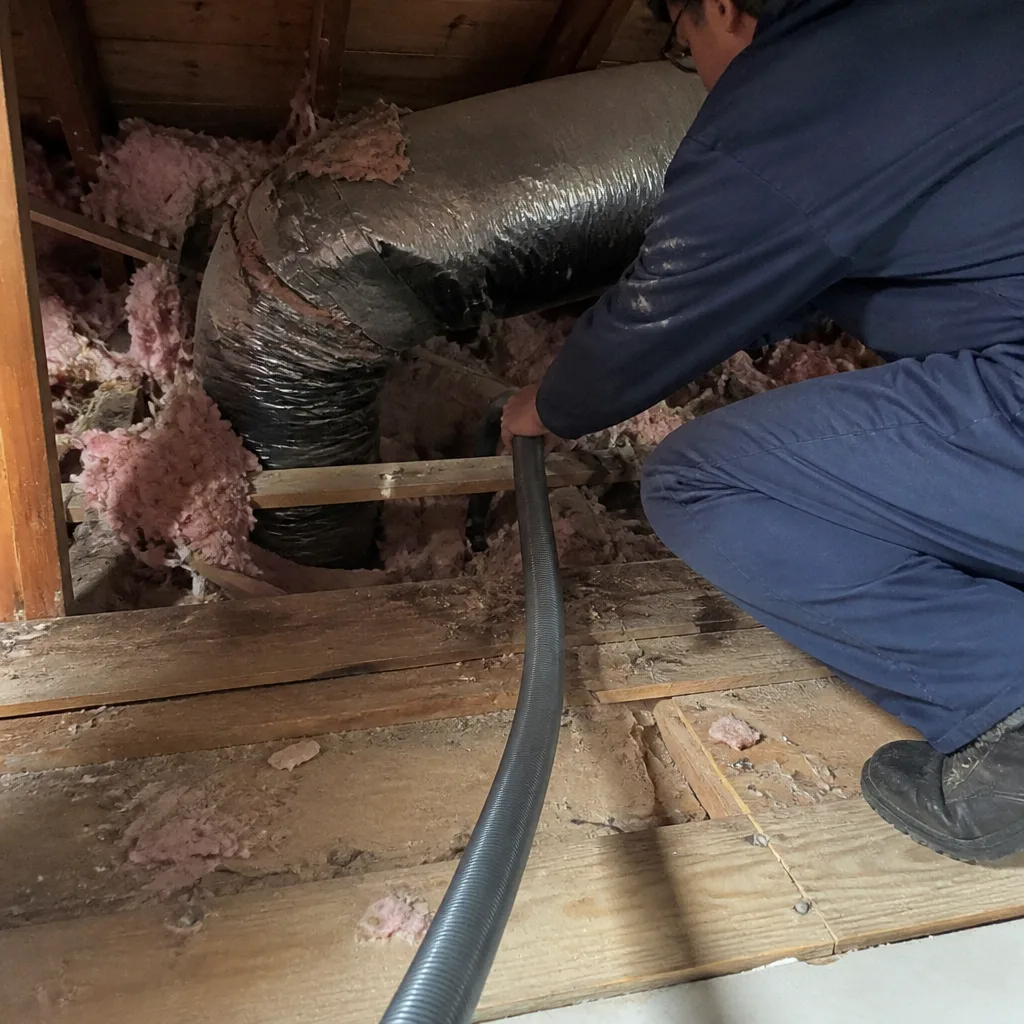 Before
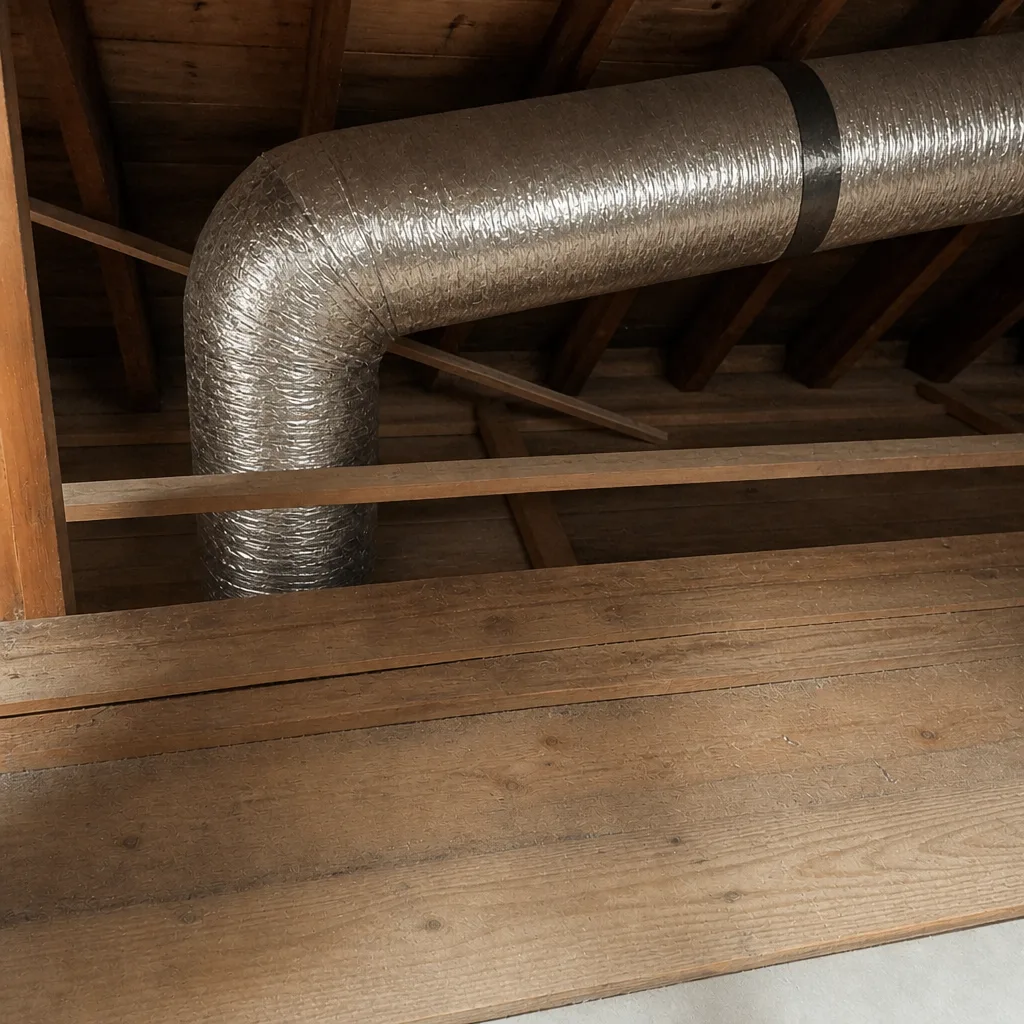 After
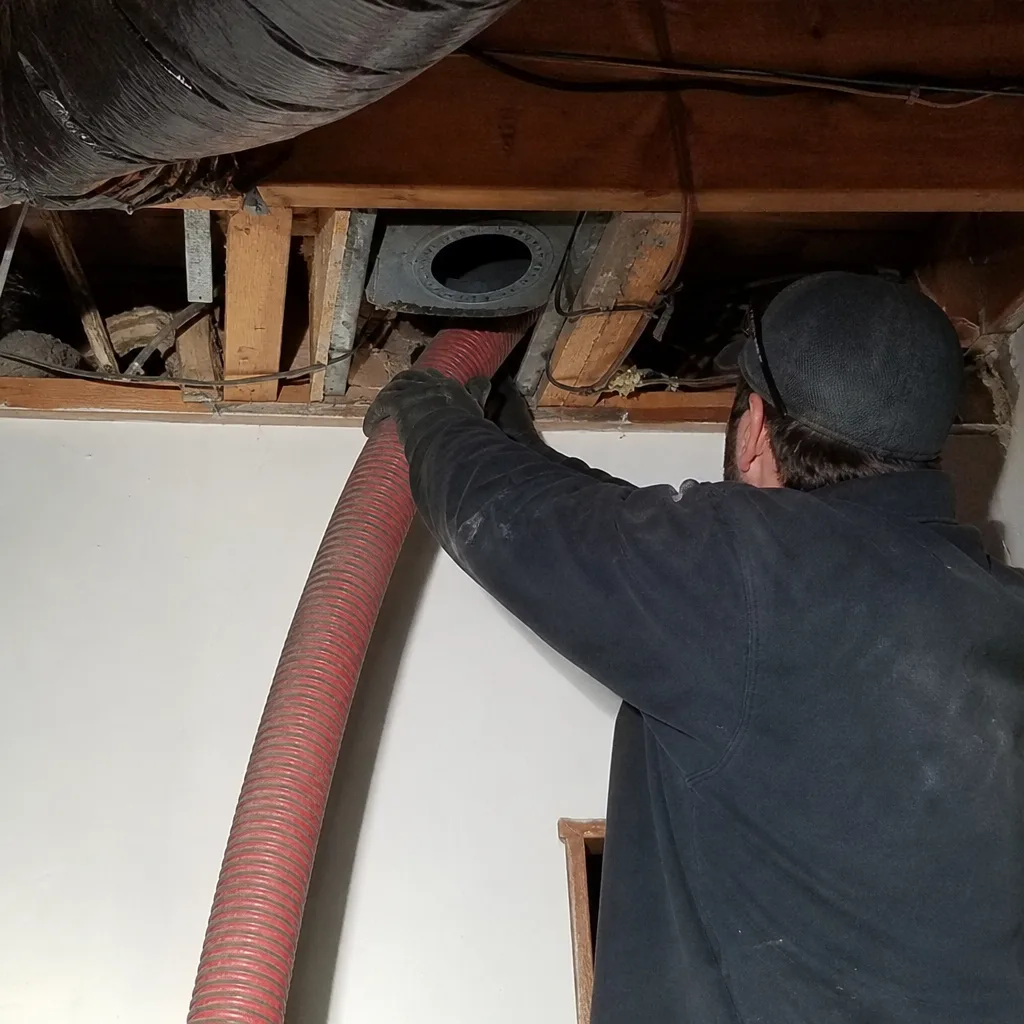 Before
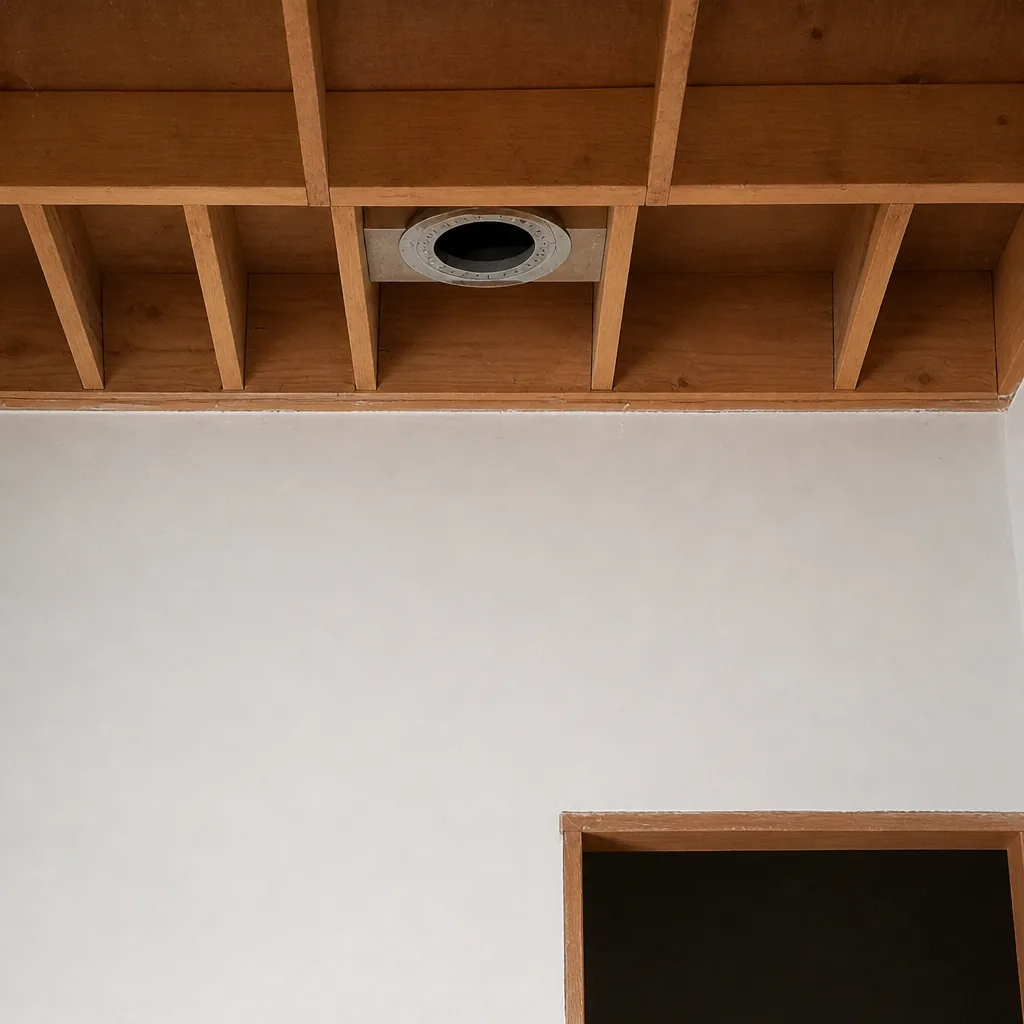 After
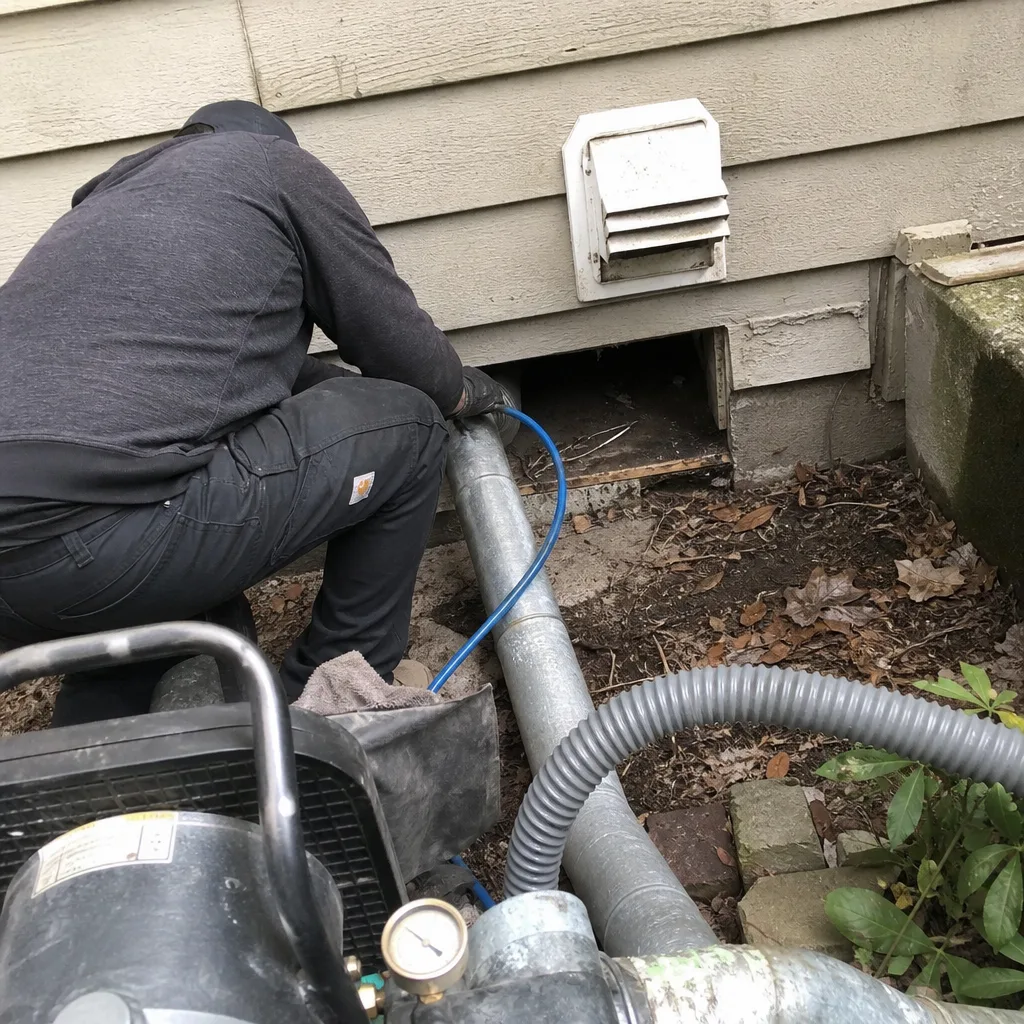 Before
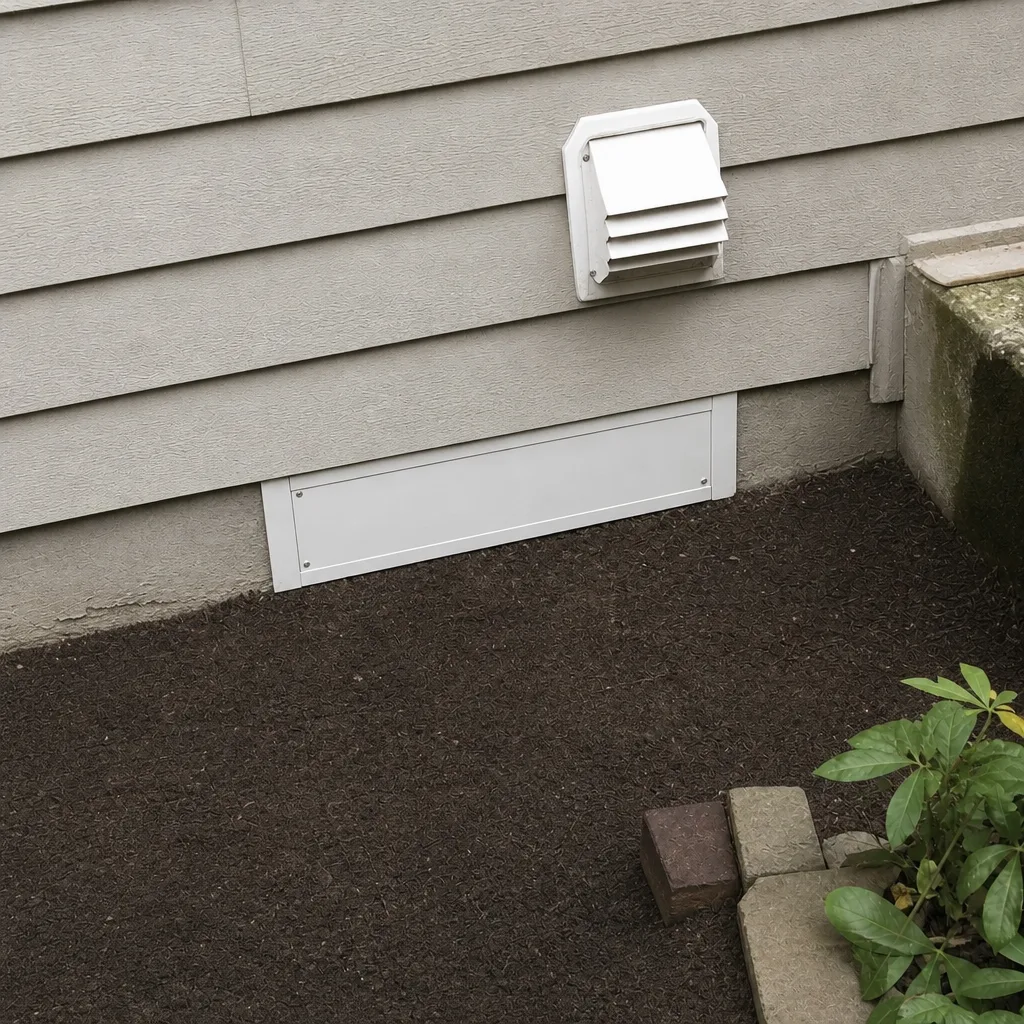 After
When to Call a Professional
You need professional duct cleaning when the evidence points to a system-level problem, not just a dusty house. Musty or stale odors that persist after cleaning vents yourself, visible dust streaks around the registers, allergy symptoms that worsen when the furnace runs, a recent remodel that likely pushed debris into the system, a new-to-you home with unknown history, or an HVAC system that’s lost efficiency without a clear mechanical cause. Those are all strong signals the ducts themselves need attention.
The same is true of the dryer vent. If loads are taking noticeably longer than they used to, or the exterior vent flap isn’t opening well during a cycle, that’s worth looking at. And if you haven’t had the system cleaned in years because you’ve never been sure where to start, the safest move is a walkthrough estimate that tells you what your actual system looks like.
Federal Way Air Duct Cleaning Pros offers free estimates in Federal Way. Call (833) 482-5931. We answer 24/7. Fast dispatch from 7am to 7pm, Sunday through Friday.
Frequently Asked Questions
Most Federal Way homes fall between $300 and $700 for a standard whole-system cleaning, with larger or more difficult jobs reaching $900 to $1,500. The final number depends on the number of runs, duct material, access, and any added services like coil cleaning or sanitizing. Call (833) 482-5931 for an exact quote – estimates are free.
Cheap quotes are usually cheap because they cover less of the system, not because the company is generously priced. A $99 offer frequently cleans one vent or one section with a small vacuum and no containment. Comparing a per-vent price to a whole-system price is comparing a sample to the full job. Ask for a written scope before you compare totals.
The clearest proof is before-and-after photos of your own ducts, plus a written scope you can check component by component against the invoice. A professional operation documents the job as it goes and will show you the photos. If a company can only show sample photos, not your system, that’s a warning sign.
Most Federal Way homes don’t need annual duct cleaning. Every few years is typical for a normal household, and more often (every one to two years) for homes with pets, recent remodels, smokers, or ongoing allergy triggers. Dryer vent cleaning is different – it’s worth checking annually, since a clogged vent is a fire risk.
Sometimes. Flex duct takes longer to clean safely because the tool has to negotiate bends without damaging the liner, so the labor on flex-heavy systems runs higher than on sheet metal. If your Federal Way home has significant flex duct, expect the estimate to land in the upper part of the typical range.
You can schedule them separately, but we don’t recommend skipping it. Dryer vents and HVAC ducts are unrelated systems, but both accumulate debris and both matter for safety and efficiency. The vent is the one that carries a real fire risk when blocked, so it’s worth a standalone line item on any whole-home quote.
To learn what whole-home service involves from a technical standpoint, start at Federal Way Air Duct Cleaning Pros and explore each service line. Our technicians have up to 9 years of experience, and we use professional-grade equipment across every service.
The Bottom Line
Duct cleaning prices in Federal Way swing from roughly $99 to $1,500 and up, and the number alone tells you almost nothing. The cheapest offers cover a fraction of the system; the mid-range covers a standard whole-home job with real equipment and real time; the high end reflects bigger systems, harder access, and legitimate add-ons like coil cleaning or duct repair. Your job, as a homeowner, is to compare scopes instead of totals – and to get a written scope, with a one-flat-price-per-system structure, before anyone starts work. If you want a straight answer about your specific system, call (833) 482-5931. We answer 24/7. Fast dispatch from 7am to 7pm, Sunday through Friday. Estimates are free, the estimate sets the price, and you’ll have photos showing exactly what was done.
Written by the team at Federal Way Air Duct Cleaning Pros.