
Last updated November 25, 2026
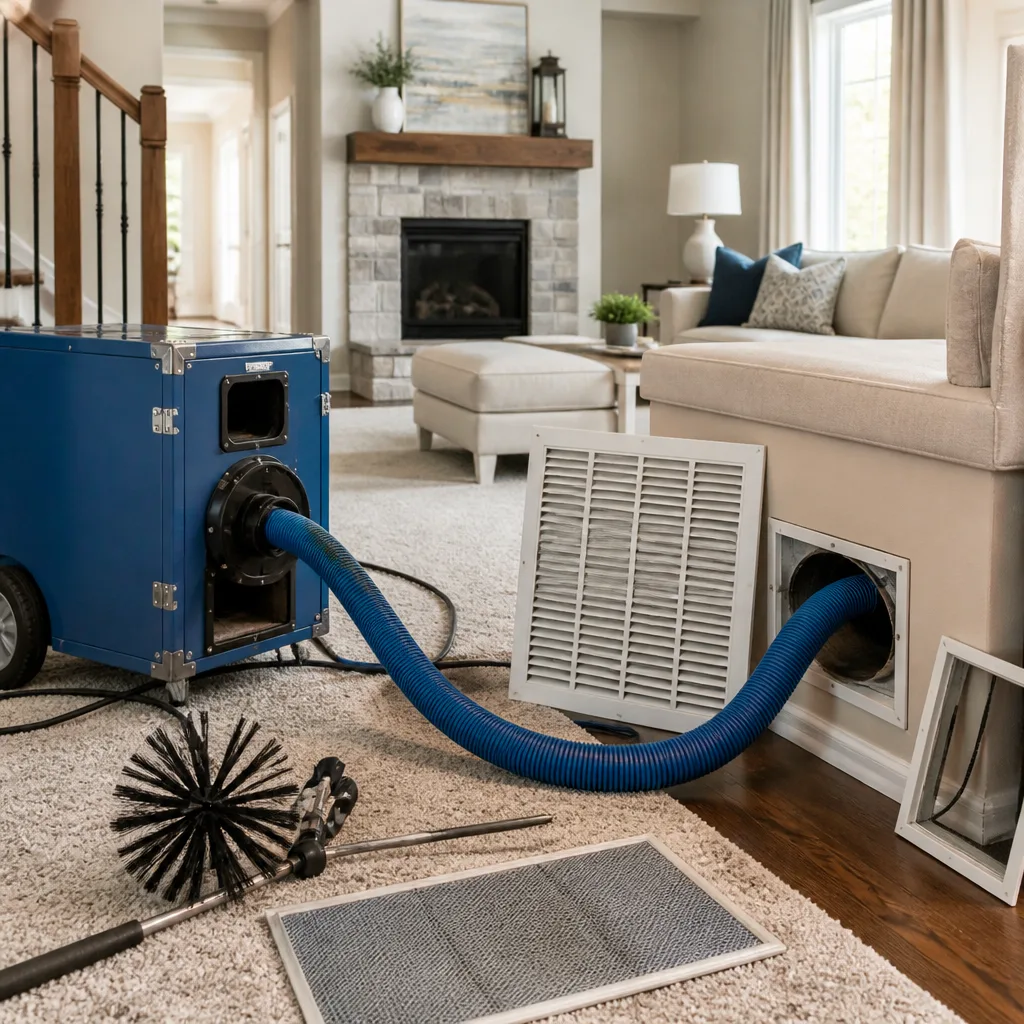 Whole-home duct cleaning
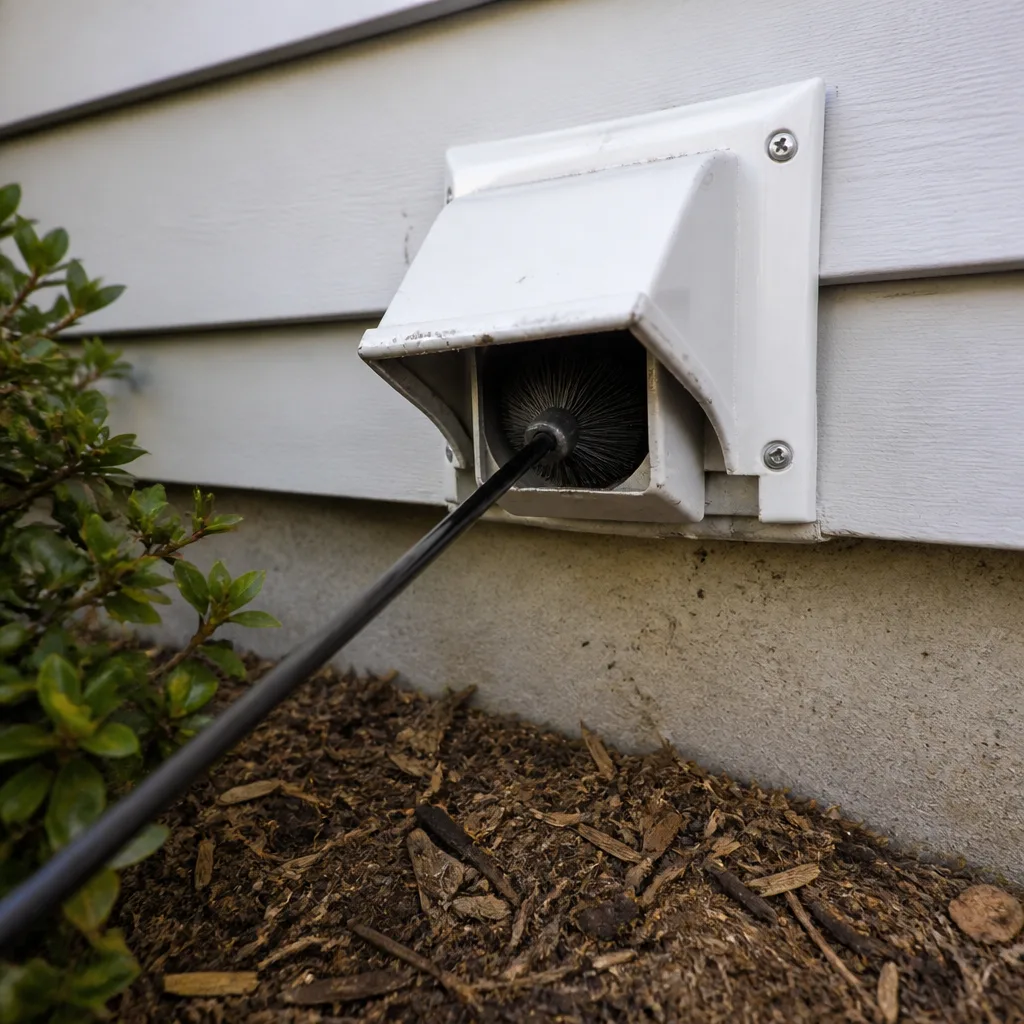 Dryer vent cleaning
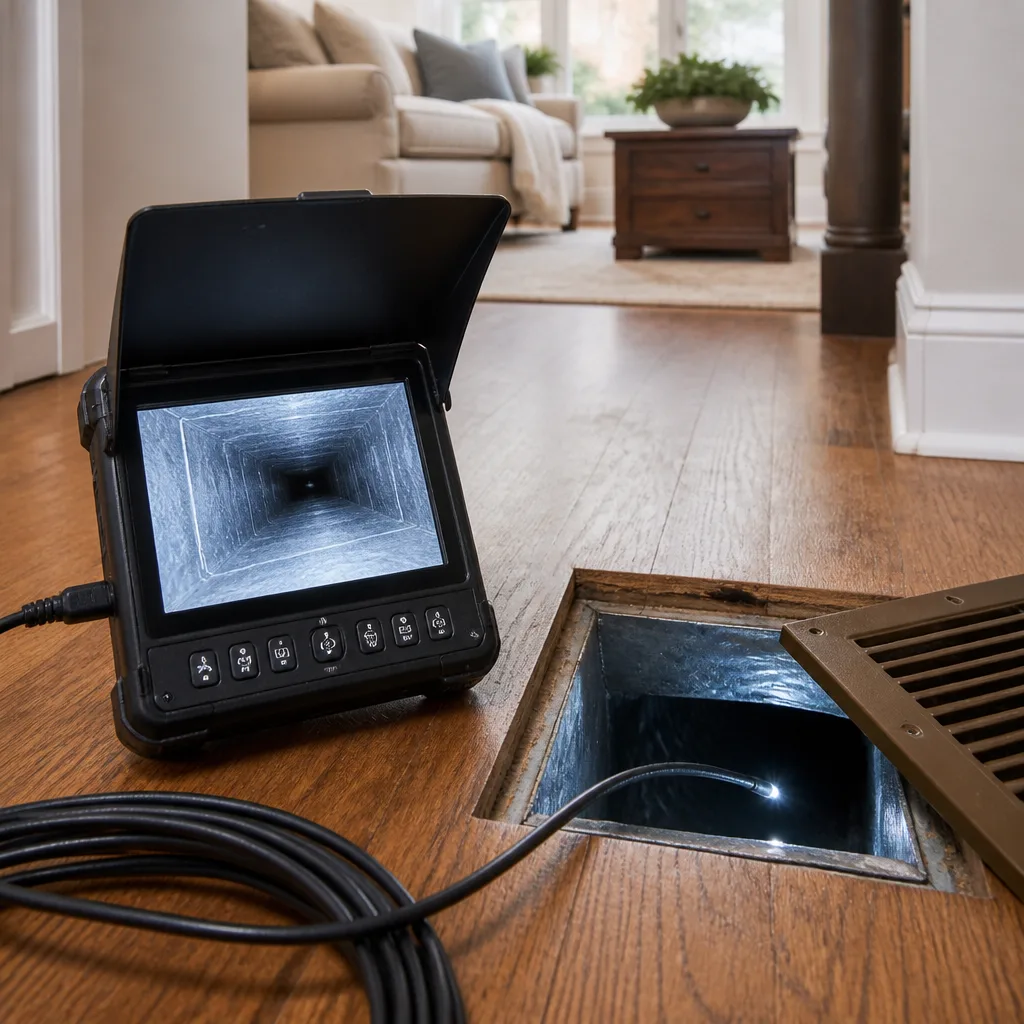 Camera inspection
 Sanitizing & deodorizing
Whole-system duct and dryer vent check with before-and-after photos - you see exactly what came out of your vents
That "$99 whole-house special" is a bait ad - the real number appears once they are in your hallway, or the "clean" is a shop-vac at the register. We photograph the inside of your ducts before and after instead.
Air Duct Cleaning Emergency Preparedness Guide for Federal Way Homes
Most Federal Way homeowners have a plan for the earthquake that rattles the Puget Sound region and a drawer full of flashlights for the next windstorm outage. Very few have thought about what happens to their duct system in the hours after a house fire, a burst supply line, or a wildfire smoke event drifts over the Cascades. Here’s the counterintuitive part: the HVAC system is often the fastest way contamination spreads through a home, and the first thing that should be switched off is usually the last thing anyone thinks about. This guide covers the shutdown protocol, the contamination timelines, and the documentation that actually matters after an emergency in Federal Way.
Quick Answer
After a fire, flood, smoke event, or rodent infestation in a Federal Way home, shut the HVAC system off at the thermostat and the breaker immediately, keep it off until the ductwork has been assessed, and document the damage with photos and written notes before anything is cleaned. Duct contamination from these events does not resolve on its own; combustion soot, flood-borne moisture, and nesting material stay in the system and recirculate every time the air handler runs. A professional assessment of the full air pathway, from the return vent to the register, is the step that determines whether cleaning, repair and sealing, or sanitizing is needed.
Styles & brands we work with
- Whole-home duct cleaning
- Dryer vent cleaning
- Camera inspection
- Sanitizing & deodorizing
Table of Contents
- The first ten minutes: shutdown protocol after smoke, fire, or flood
- Post-fire and smoke residue: why combustion particulate travels through ducts
- Post-flood duct assessment: how water reaches flex duct in Federal Way crawlspaces
- Wildfire smoke infiltration: when to run the system, when to seal it
- Rodent incursion: finding HVAC entry points and what professional scope covers
- Power outages and system restart: what to check before air moves again
- What to tell your contractor and your insurance adjuster
- Common mistakes to avoid
The First Ten Minutes: Shutdown Protocol After Smoke, Fire, or Flood
The most important duct cleaning decision after an emergency in Federal Way is made in the first ten minutes, before any professional arrives, and it’s a decision the homeowner makes. Combustion byproducts and moisture both spread through the return air system far faster than most people realize. A contained kitchen fire that never leaves the room can still push soot into the entire duct network if the air handler keeps running. The protocol below is the single most useful thing you can do before calling anyone.
- Kill the thermostat first. Set the system to OFF, not to fan or auto. A thermostat left on “fan on” keeps the blower moving air through contaminated ducts.
- Kill the breaker. At the main panel, switch off the breaker that feeds the air handler and the outdoor condenser. This prevents the system from restarting if someone bumps the thermostat.
- Close the return grilles. If the system has return vents that are accessible, close or temporarily tape over them to slow cross-contamination while the home is being ventilated.
- Open windows for cross-ventilation, not the system. Fresh air from outside moves smoke out faster than a running HVAC system, which just redistributes it.
- Photograph everything before touching it. Soot patterns at the return vents, waterlines on the ducts, and debris near the air handler are documentation, and once cleaned, they’re gone.
- Call your insurer before the duct cleaner. Most policies want a claim opened and photos submitted before remediation begins. Duct cleaning is often covered as part of the broader loss, but only if it’s documented as part of it.
In our experience, the homes that recover fastest from a smoke or water event are the ones where the system was shut down early. Homes where the HVAC ran for hours after a fire tend to need the full scope of work: cleaning, duct repair and sealing, and an air quality sanitizing treatment to address what the residue left behind. If you’re unsure whether the system has already run long enough to matter, the safer assumption is that it has.
Post-Fire and Smoke Residue: Why Combustion Particulate Travels Through Ducts
Soot and combustion particulate from a house fire, even a small one, enter the return air system within minutes if the HVAC is running. Once inside, they coat the interior surfaces of flex and rigid ductwork from the return vent to the register, and they don’t settle in one spot: the blower pushes them into every branch of the system each time it cycles. This is why the smell of smoke often lingers in a home long after the visible damage has been repaired.
Fire residue is not uniform. It comes in three broad types, and each behaves differently in a duct system:
- Dry soot from fast-burning materials like paper or drywall. It’s light, travels far, and settles in the farthest runs of the duct system.
- Wet or oily soot from kitchen grease fires or burning plastics. It sticks to duct walls and requires more than a pass with a vacuum.
- Protein residue from burned food, which is nearly invisible but leaves a persistent odor that recirculates every time the heat or AC comes on.
Cleaning after a fire is not a matter of running a shop vac over the registers. Professional-grade equipment matters here: the Rotobrush and Nikro systems we use are built to agitate and extract particulate from duct interiors, and Abatement Technologies equipment provides the containment and negative-pressure setup that keeps disturbed soot from blowing back into the living space during cleaning. After extraction, a sanitizing treatment using Guardsman-grade products addresses residual odor and microbial growth on duct surfaces.
If your home in Federal Way has been through any fire event, contained or not, the sequence should be: shut down, document, then air duct cleaning with containment. Anything less leaves the residue in the system to recirculate.
Post-Flood Duct Assessment: How Water Reaches Flex Duct in Federal Way Crawlspaces
In Federal Way, most of the housing stock sits on crawlspaces, and a surprising amount of the ductwork runs through them. When heavy rain and poor drainage combine, water can pool under the home and reach flex duct that’s either resting on the ground or hung low. Flex duct is not waterproof. The inner liner absorbs moisture, the insulation between the layers holds it, and within a short window the interior of that duct becomes an environment where mold and bacteria can establish.
Here’s the biological timeline that matters, stated generally because the exact rate depends on temperature and ventilation:
- First 24 to 48 hours: moisture penetrates the flex duct liner and insulation. No visible mold yet, but the conditions are set.
- Days 2 to 7: microbial growth begins on wet surfaces inside the duct. Musty odors start showing up when the system runs.
- Weeks 1 to 4 and beyond: established growth on duct interiors, compromised duct insulation, and a system that’s now distributing spores rather than just air.
Water intrusion into a crawlspace that reaches ductwork is not a “wait and see” situation. A post-flood assessment should include:
- Confirming which duct runs were exposed to water, and whether they’re flex or rigid.
- Checking for sagging, water staining, or collapsed insulation on the flex runs.
- Assessing the air handler and coil for moisture intrusion, since water can follow ducts to the equipment.
- Determining whether the affected sections can be cleaned and sanitized or need replacement.
- Checking duct sealing, since water often finds the same gaps and joints that leak air.
Duct repair and sealing is where this kind of job differs from standard cleaning. If a section of flex duct has absorbed water and started growing mold, cleaning alone won’t fix it, and sealing over the top of compromised duct just traps the problem. The full-system scope matters: assess, repair what needs repair, clean what can be cleaned, then seal and sanitize. For homeowners in Federal Way dealing with a flooded crawlspace, the fastest path back to clean air is a proper assessment before any air moves through the system again.
Wildfire Smoke Infiltration: When to Run the System, When to Seal It
Wildfire smoke drifting over the Cascades into the Puget Sound lowlands is now a recurring summer event in Federal Way. Smoke is not just a smell; it’s fine particulate that infiltrates a home through the same gaps in the building envelope that let conditioned air escape. The instinct is to run the HVAC system with the fan on to “filter the air,” and that’s the wrong move in most cases. A standard residential filter isn’t rated for smoke particulate, and running the fan with windows open pulls smoke directly into the return system.
Here’s the decision framework we walk homeowners through:
- Close the house first. Windows and doors shut. Any exterior vents or fresh-air intakes closed if accessible.
- Run the HVAC on AUTO, not fan-on. With the house closed, running the system with a higher-efficiency filter (MERV 13 or above, if the equipment supports it) can reduce indoor smoke levels. Fan-on continuous runs just recirculate what’s already inside.
- Don’t run it with the house open. This is the mistake that pulls smoke into the ducts and leaves residue in the system long after the smoke clears.
- Document the event for insurance. Photograph smoke days, save air quality alerts for your area, and keep any receipts for filters or air quality products. This matters if your ducts need cleaning because smoke infiltrated the system.
After a heavy smoke season, many Federal Way homes end up with fine particulate settled in their ductwork and a persistent smell that comes back every time the heat comes on. That’s the point at which professional cleaning is worth discussing, along with a look at whether upgraded filtration using Honeywell or Aprilaire products makes sense for the home. Both brands are specified widely by HVAC designers for exactly this kind of residential particulate concern.
If your home also has a wood-burning stove or fireplace that gets used during smoke season, be aware that combustion byproducts from indoor burning add to the load on the duct system. Shut down and assess if smoke ever backs into the living space.
Rodent Incursion: Finding HVAC Entry Points and What Professional Scope CoversA mouse or rat in the crawlspace is a common enough Federal Way problem, but when rodents get into the duct system, the scope of the problem changes. Flex duct with loose joints, disconnected runs after a rodent pulls at insulation, and gaps at the air handler all provide entry. Once inside, rodents nest in the duct insulation and the interior of the flex runs, urinate and defecate on duct surfaces, and die in the system. The result is a biological hazard that standard cleaning equipment isn’t designed to address safely.
Signs that rodents have reached the HVAC system:
- Scratching or scurrying sounds when the system cycles.
- Droppings or nesting material visible near the air handler, at the base of return vents, or in the crawlspace under duct runs.
- A persistent musty or ammonia-like odor that gets stronger when the heat or AC runs.
- Visible damage to flex duct insulation, or disconnected duct sections you can see from the crawlspace.
Professional scope for a rodent contamination job goes well beyond cleaning. It includes:
- Locating entry points at the air handler, at duct joints, and where ducts pass through the building envelope.
- Removing nesting material and contaminated insulation, with the containment setup that Abatement Technologies equipment provides to keep biological material from blowing into the living space.
- Cleaning and disinfecting the duct interiors that were affected.
- Repairing and sealing the gaps and damaged sections that allowed entry in the first place.
- Sanitizing with Guardsman-grade antimicrobial products to address what cleaning leaves behind.
The sealing step is the one most duct cleaning services skip. Without it, the rodents come back, and so does the contamination. Our Federal Way Air Duct Cleaning Pros team handles this full sequence because cleaning contamination out of a duct system that still has open entry points is a job half done.
Power Outages and System Restart: What to Check Before Air Moves Again
A windstorm knocks out power across Federal Way, and a day or two later the lights come back on and the HVAC system jumps back to life. That restart is worth a moment of attention, especially after a storm that brought wind-driven rain or power surges. A system that sat through a long outage is now pushing air through ducts that may have taken on moisture, dust, or a lot more, and nobody has looked inside.
Before restarting after a long outage:
- Check the air filter. A filter that was already loaded when the power went out is now running full of dust, and the first hour after restart moves it into every branch of the system.
- Smell the air at the nearest return vent. A musty or burnt smell is a reason to shut it back off and call for an assessment.
- Look for moisture. If the outage coincided with a plumbing failure or a roof leak, water may have reached the ducts or the air handler during the outage.
- Watch for unusual noise. A system pushing air through rodent-damaged or disconnected ducts sounds different from one that isn’t.
If the system runs well and the filter gets changed, that’s most of it. Where Federal Way homes tend to get into trouble is when a long outage overlaps with a water event, and nobody connects the two until a musty smell shows up weeks later. If both happened at the same time, a duct assessment is worth the call.
Related reading for homeowners dealing with air quality concerns: our guide to HVAC cleaning covers what the equipment side of the system needs, and dryer vent cleaning is a separate safety service worth scheduling annually since blockages are a leading cause of residential fires and are not related to duct contamination.
What to Tell Your Contractor and Your Insurance Adjuster
The quality of a duct damage claim depends on the quality of the description. Most insurers will cover duct cleaning and related repairs when the contamination is a direct result of a covered event (fire, water damage from a burst pipe, a covered storm event), but the claim needs language that ties the duct damage to the event. Vague descriptions like “smells bad” or “ducts need cleaning” don’t give the adjuster anything to work with.
Here’s what an accurate description includes, and what to say to each party:
To your insurance adjuster
- The event and the date. “Kitchen fire on [date], contained to the room, HVAC running during and after the event.”
- The scope of the duct involvement. Which rooms the supply and return ducts serve, whether the air handler was affected, and whether the system ran after the event.
- Visible evidence. “Soot deposits visible at return vent grilles in hallway and bedroom, smoke odor present in all supply registers.”
- The assessment findings. If the duct contractor finds contamination, moisture damage, or biological growth, that assessment is documentation.
- Photographs at every step. Before, during, and after. Adjusters accept documented realities far more readily than verbal descriptions.
To your duct contractor
- What happened and when. Fire, flood, smoke event, rodent sighting. The type of contamination determines the equipment and the scope.
- Whether the HVAC ran during or after the event, and for how long. This is the single most useful piece of information.
- Any odors, symptoms, or visible damage. Musty smell, bright dust, allergy flare-ups, sagging flex duct, water stains at the crawlspace.
- Any prior duct work. Whether the duct was cleaned before, and whether any repair or sealing has been done.
For Federal Way homeowners, the sequence that works best is to open the insurance claim first, get the assessment scheduled, then submit the assessment with the claim. If the claim is approved, the work follows. If it’s not, the free estimate tells you exactly what the scope and cost will be.
Common Mistakes to Avoid
- Leaving the HVAC running after a fire. A running system distributes soot into every branch of the duct network within minutes. The first thing to do is shut it off at the thermostat and the breaker.
- Running the fan during a wildfire smoke event with the windows open. This pulls smoke directly into the return system and leaves fine particulate in the ducts. Run the system only on auto with the house closed.
- Calling a duct cleaner before calling the insurer. Most policies want the loss documented before remediation begins. Once the duct is cleaned, the evidence of the contamination is gone.
- Assuming water damage in a Federal Way crawlspace didn’t reach the ducts. Flex duct resting on or near a wet floor absorbs moisture fast. By the time you smell it, microbial growth is already established.
- Hiring a cleaning-only service after rodent incursion. Without repair and sealing of the entry points, the problem returns. Cleaning without sealing is a temporary fix.
- Using a shop vac or a “duct brush” from the hardware store to handle fire or flood residue. Residential vacuums don’t have the containment to keep disturbed soot or biological material from blowing back into the living space. Professional equipment matters here.
- Ignoring the smell after the visible damage is repaired. A persistent smoke or musty smell after a restoration is a sign the duct system needs assessment, not more air freshener.
See the difference
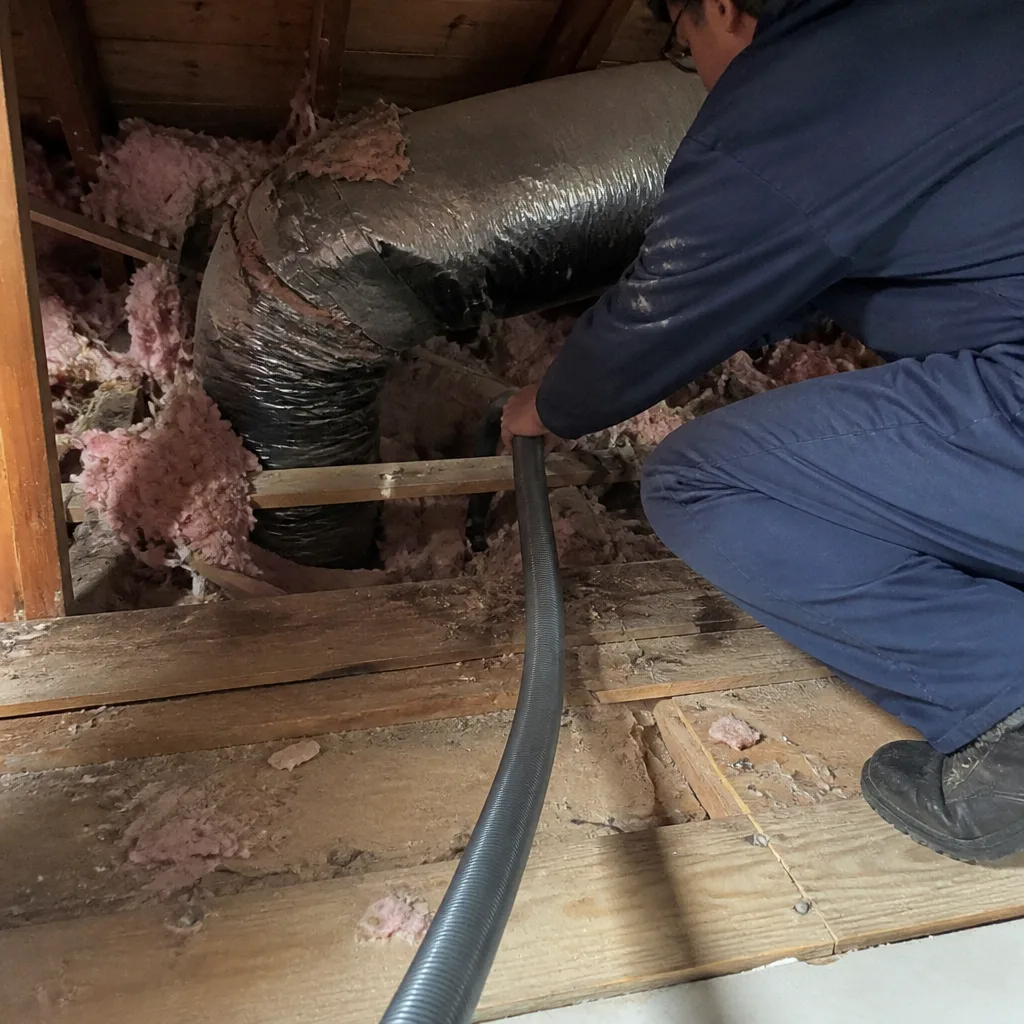 Before
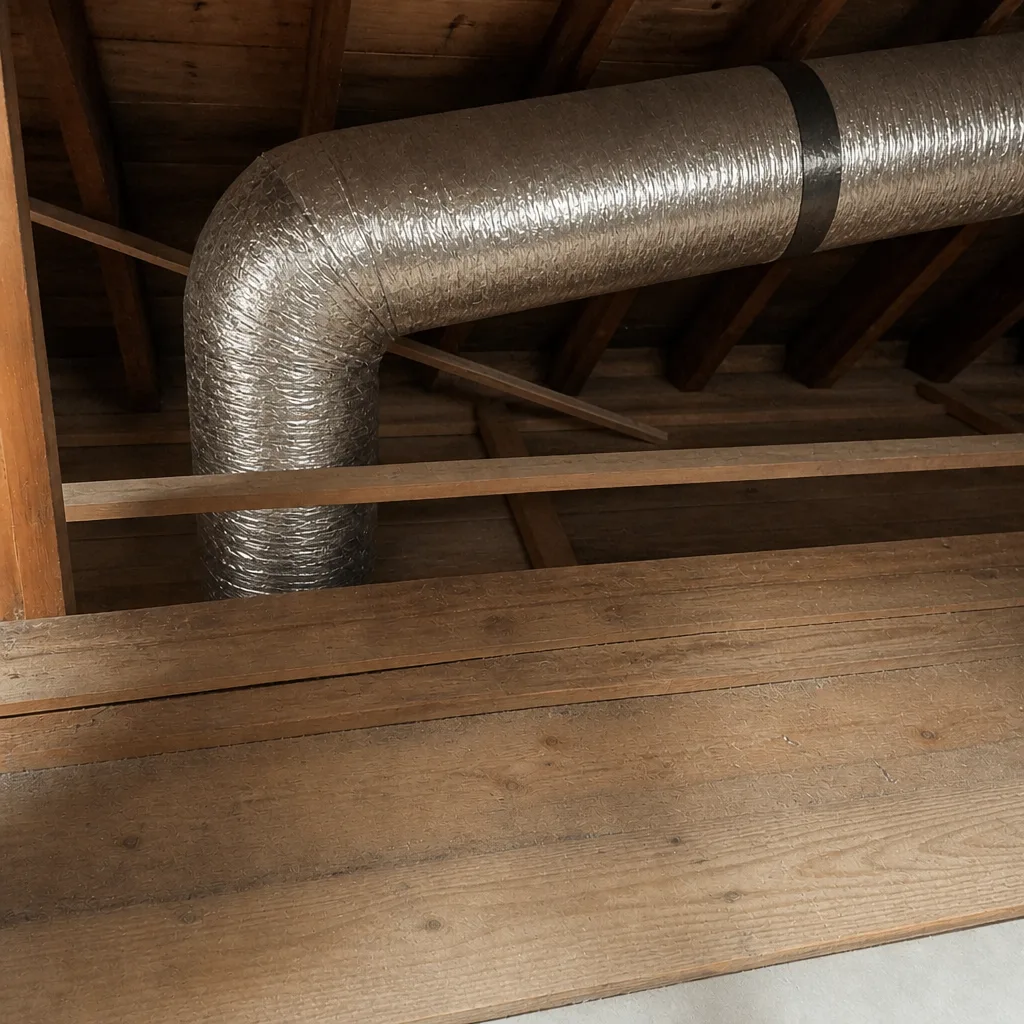 After
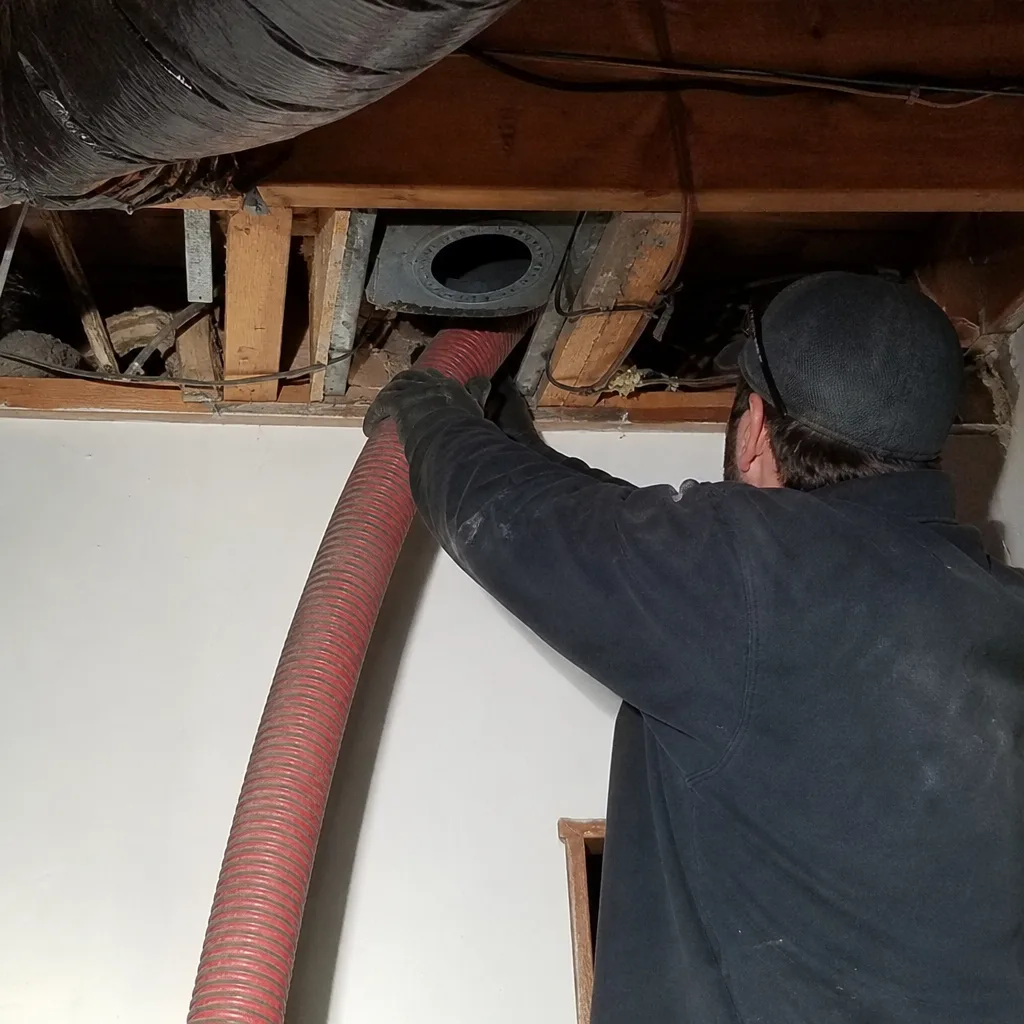 Before
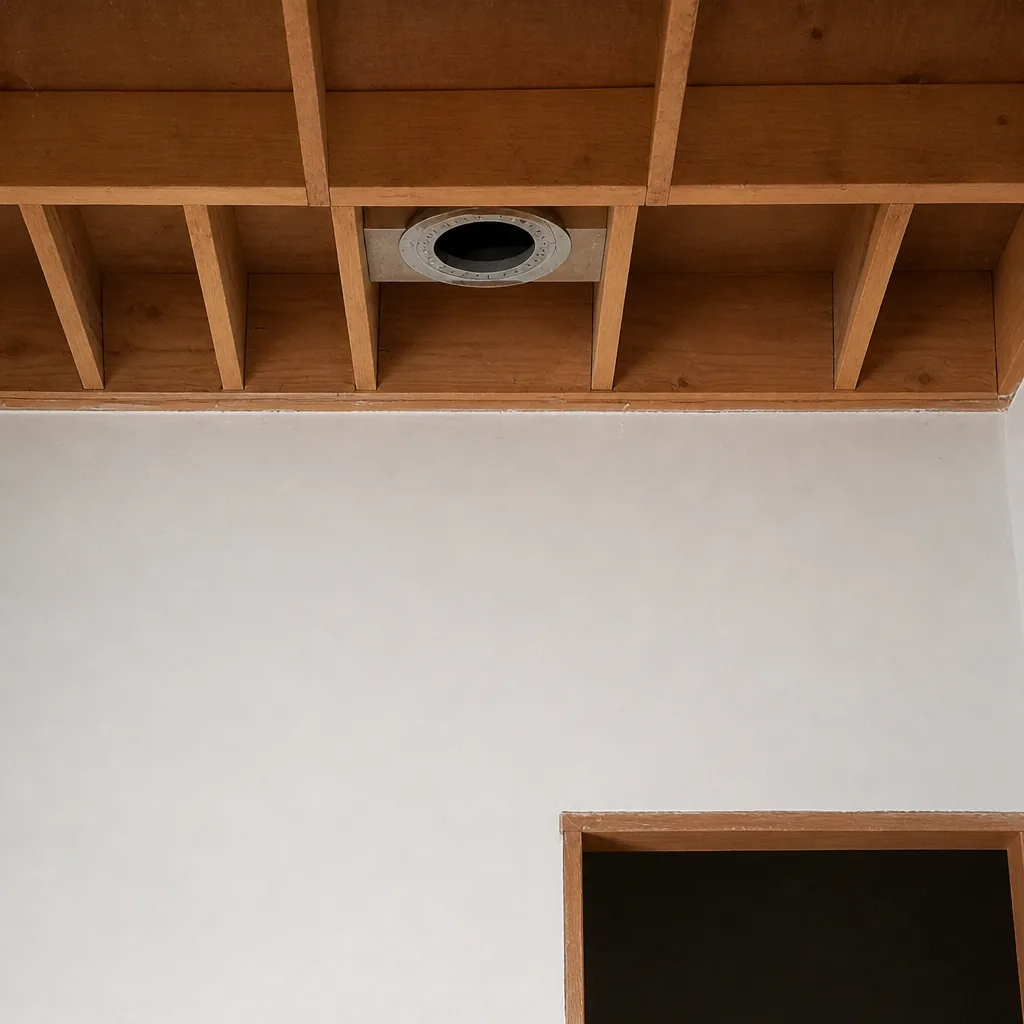 After
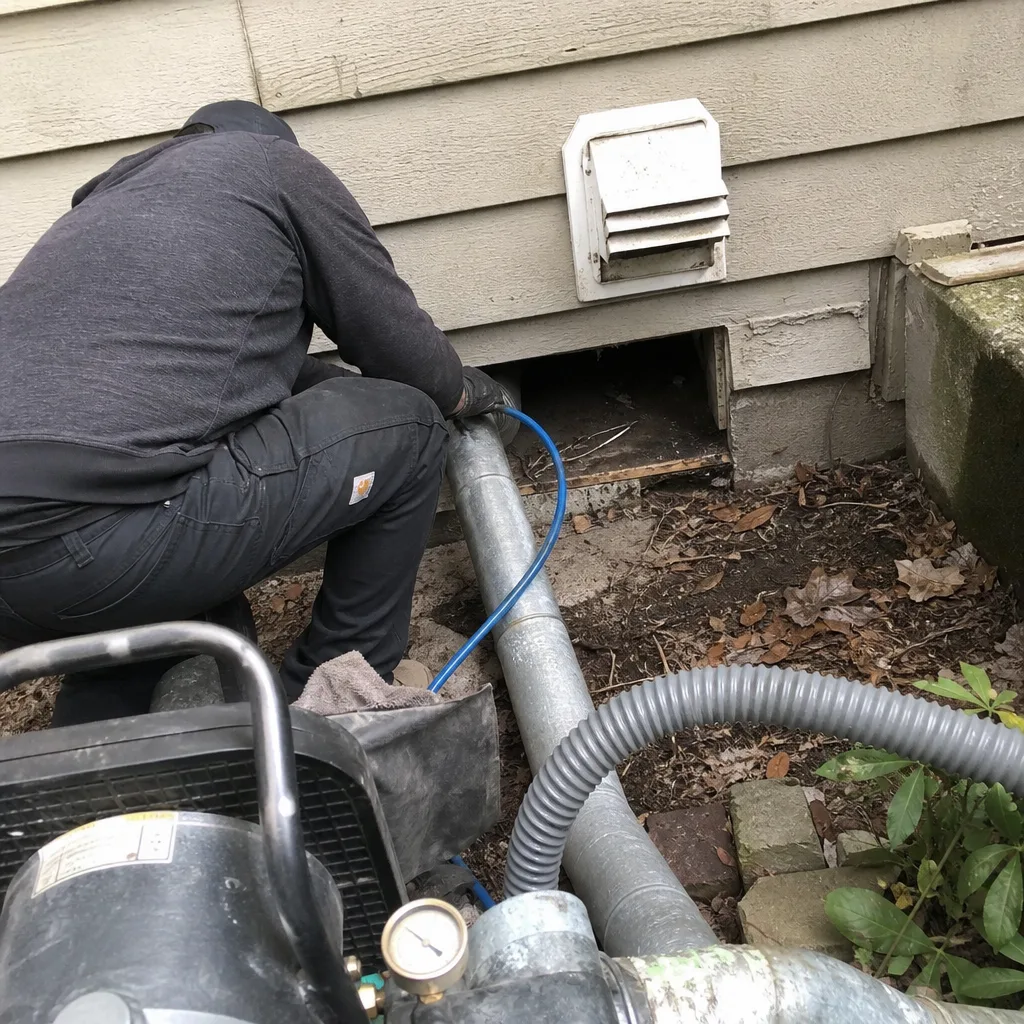 Before
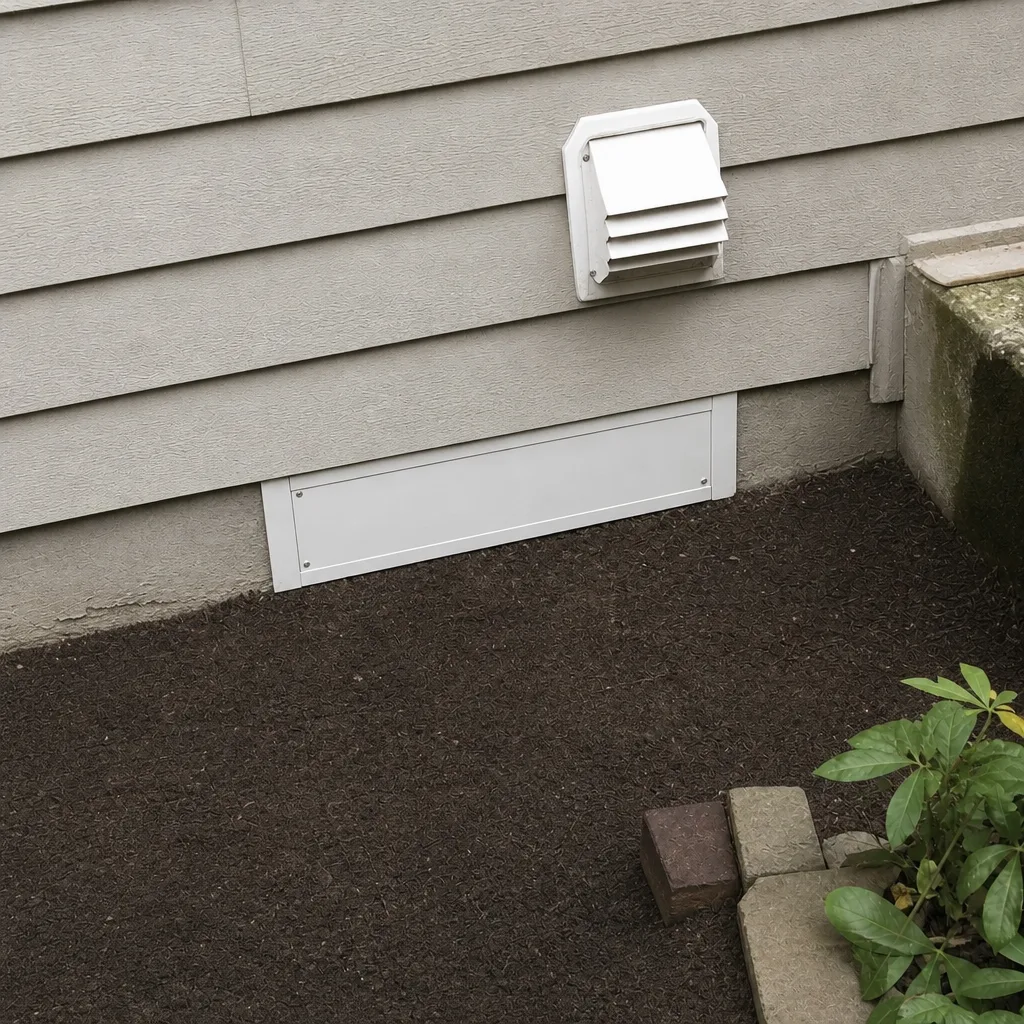 After
When to Call a Professional
A duct system after an emergency in Federal Way needs a professional assessment when any of the following is true: combustion smoke entered the home and the HVAC ran during or after the event; water from a plumbing failure or storm intrusion reached the crawlspace where ductwork runs; heavy wildfire smoke infiltrated the home for a sustained period; rodents have been seen or heard in the crawlspace or duct system; or a persistent odor comes back every time the system cycles. Our technicians have up to 9 years of experience and we work with the full air pathway, from the return vent to the register. Federal Way Air Duct Cleaning Pros offers free estimates in Federal Way – call (833) 482-5931. We answer 24/7. Fast dispatch from 7am to 7pm, Sunday through Friday.
Frequently Asked Questions
Yes, in most cases. A contained kitchen fire can still push soot and combustion particulate into the return air system if the HVAC was running, and even if it’s not visible at the registers, the residue settles in the duct interiors and recirculates on every cycle. A professional assessment, and cleaning if contamination is found, is the recommended step. Call (833) 482-5931 for an exact quote – estimates are free.
Post-emergency duct cleaning in Federal Way typically runs $450 to $1,200 for a standard residential system, depending on the size of the home, the number of duct runs, and whether repair and sealing or sanitizing is included. Fire and flood recovery jobs often land in the middle to upper end of that range because the scope includes containment and treatment. We give a flat price per system, agreed before work begins, so you know the cost before the equipment comes out. Call (833) 482-5931 for an exact quote – estimates are free.
Often, yes, when the contamination is a direct result of a covered event like a fire, a burst pipe, or storm-driven water intrusion. The key is documentation: photos of the affected ducts and registers, a written assessment from the duct contractor, and a claim opened before any cleaning begins. Ask your adjuster specifically whether duct remediation, duct repair, and sanitizing are covered as part of the loss.
Grow conditions are set within the first 24 to 48 hours after water reaches the flex duct liner, and visible microbial growth can establish within the first week. Federal Way crawlspaces stay cool and humid long after the storm that caused the water intrusion, which extends the window. The faster the assessment happens, the better the chance the affected sections can be cleaned rather than replaced. Call (833) 482-5931 for an exact quote – estimates are free.
No. Rodent contamination in a duct system involves nesting material, urine, and feces that are biological hazards, and residential vacuums and brushes can’t contain what they disturb. Cleaning without identifying and sealing the entry points means the problem returns. The scope needs professional containment, extraction, disinfecting, and duct repair and sealing to fix the cause. Call (833) 482-5931 for an exact quote – estimates are free.
Close the windows and doors, run the system on auto rather than fan-on, and use the highest-efficiency filter your equipment supports. Don’t run the fan with the house open, since that pulls smoke directly into the return system. After the smoke clears, if a musty or burnt smell persists when the system runs, schedule an assessment before the next season.
The cheapest quotes typically cover surface cleaning of the visible ducts and registers, without containment, without assessing the air handler, and without repair or sealing. After a fire, flood, or rodent event, that’s not enough to address what’s actually in the system. A complete scope includes equipment with real containment capability (Abatement Technologies for that), the full air pathway from return to register, and repair and sealing where gaps undermine the clean. Call (833) 482-5931 for an exact quote – estimates are free.
The Bottom Line
Emergency preparedness in Federal Way is mostly about earthquakes and outages, but indoor air quality after an event is just as important, and it’s the part most homeowners miss. The core rules: shut down the HVAC immediately after any fire, smoke, or water event; document before anything is cleaned; and treat the whole air pathway as a single system rather than isolated duct runs. Duct cleaning, repair and sealing, and sanitizing are the three steps that resolve most post-emergency contamination. If an event has already happened and the system has run since, an assessment is worth the call before the next season starts.
Federal Way Air Duct Cleaning Pros connects homeowners in Federal Way with independent local professionals who handle air duct cleaning, dryer vent cleaning, HVAC cleaning, duct repair and sealing, and air quality sanitizing across the full air pathway. Our technicians have up to 9 years of experience, and we use Rotobrush, Nikro, and Abatement Technologies equipment alongside Honeywell and Aprilaire filtration products and Guardsman-grade sanitizing. We clean it, seal it, and sanitize it. The local pro is licensed and insured as their state requires, and we work with your insurer on claims. Call (833) 482-5931 for a free estimate. We answer 24/7. Fast dispatch from 7am to 7pm, Sunday through Friday.
Written by the team at Federal Way Air Duct Cleaning Pros.